Texheritage Bangladesh - is Bangladesh’s first dedicated, research-based textile museum and digital archive



Available in the Museum’s Library.
Reflective fabric offers research opportunities in advanced retroreflective technologies, sustainable reflective materials, durable wash-resistant coatings, smart textile integration, high-visibility performance optimization, and eco-friendly manufacturing processes for next-generation protective clothing, sportswear, and functional textile applications.
Swatch Details:
* * Accession Number: THB W-TWF 06/2026
* Need analysis
Available in the Museum’s Library.
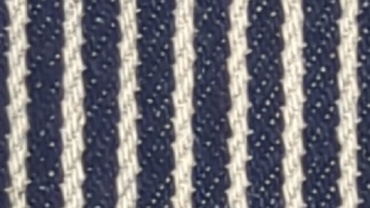
Stripe Denim offers significant research potential for studying yarn-dyed pattern development, twill weave construction, indigo dyeing techniques, and the evolution of functional workwear into modern fashion textiles. It provides valuable insight into the history of striped denim fabrics used in railroad uniforms, industrial workwear, and contemporary denim apparel, illustrating the relationship between textile engineering, durability, and aesthetic design.
Sample Details:
* Object Title: Stripe Denim Fabric
* Accession Number: THB W-DEN 01/2026
* Category: Woven Collection – Denim Fabrics
* Period: 2026
* Region: Asia, Bangladesh
* Material Composition: 100% Cotton
* Weave Construction: 3/1 Right-Hand Twill
* Yarn Count (Warp × Weft): Need analysis
* GSM: Need to check
* Dye Type: Indigo Warp with Yarn-Dyed Stripe Effect
* Condition Assessment: Fabric Swatch
Historical Notes: Stripe Denim originated in the late 19th and early 20th centuries, particularly in North America, where hickory stripe denim became the preferred fabric for railroad workers, mechanics, and industrial laborers. The striped construction provided both visual distinction and practical performance, making it an iconic workwear textile before evolving into a popular fashion fabric.

Available in Museum for research & study.
Metallic fabrics offer significant research opportunities in textile engineering, sustainable finishing, and smart materials. Future studies may focus on developing eco-friendly metallic coatings, improving durability and recyclability, reducing environmental impact, and integrating conductive properties for wearable electronics and smart textiles. Research into bio-based metallic finishes and advanced nanotechnology coatings may further expand the applications of metallic fabrics in both fashion and technical industries.
The history of metallic textiles dates back thousands of years, when gold and silver threads were woven into luxury fabrics for royalty, religious garments, and ceremonial dress in ancient Egypt, Persia, China, and Europe. During the twentieth century, the development of synthetic fibers and advanced finishing technologies enabled the production of lightweight metallic fabrics using aluminum coatings, metallic pigments, and foil applications. Today, metallic fabrics are widely used in fashion, performance wear, technical textiles, and interior decoration, representing a fusion of traditional craftsmanship and modern textile innovation.
