Texheritage Bangladesh - is Bangladesh’s first dedicated, research-based textile museum and digital archive


Available in the Museum’s Library
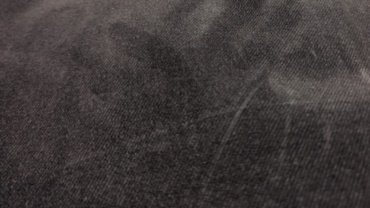
Flock Denim offers valuable opportunities for studying denim surface engineering, textile flocking technology, fibre application, adhesive systems, tactile design, and contemporary denim innovation. It also demonstrates how surface modification can create new aesthetic and sensory possibilities from an established textile construction.
Sample Details:
* Object Title: Flock Denim
* Accession Number: THB W-Denim 04/2026
* Category: Denim Collection / Surface Engineering
* Period: 2026
* Region: Asia, Bangladesh
* Material Composition: Need Analysis
* Base Fabric Construction: Denim / 3/1 Right-Hand Twill — Need Analysis
* GSM: Need Analysis
* Width: Need Analysis
* Surface Technique: Flocking / Flock Application
* Flock Fibre: Viscose
* Flock Fibre Length: Need Analysis
* Adhesive System: Need Analysis
* Dye Type: Need Analysis
* Condition Assessment: Fabric Swatch
* Historical Notes: Flocking is a textile surface-decoration technique in which short fibres are applied to an adhesive-coated surface to create a raised, tactile finish. Its development and commercial application expanded significantly with advances in synthetic fibres, adhesives, and textile printing technologies. In denim, flocking provides an additional dimension of texture and visual contrast, extending denim design into contemporary surface engineering.
* Source / Donor: Hullor Fashion Limited
Available in Museum’s Library
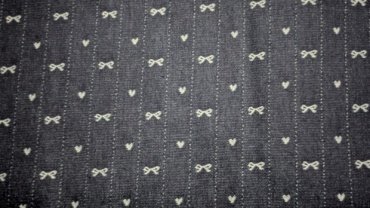
Research opportunities include investigating Jacquard weaving technology, engineered denim structures, complex weave repeats, yarn-dyed pattern development, indigo and colored yarn combinations, and three-dimensional surface effects. Further research can explore the relationship between weave construction and fabric performance, including abrasion resistance, dimensional stability, comfort, pattern definition, and the effect of washing and finishing on Jacquard structures.
Sample Details:
* Object Title: Jacquard Denim Fabric
* Accession Number: THB W-Denim 03/2026
* Category: Woven Collection – Denim
* Period: 2026
* Region: Asia, CHINA
* Material Composition: 100% Cotton
* Weave Construction: Jacquard / Patterned Twill
* Yarn Count (warp × weft): To be documented from sample
* GSM: 390
* Width: 60″
* Dye Type: Indigo / Yarn Dyed
* Warp: Indigo-dyed yarn
* Weft: Undyed / Dyed yarn
* Condition Assessment: Fabric Hanger
* Historical Notes: Jacquard Denim combines traditional denim construction with Jacquard weaving technology, allowing complex motifs, geometric patterns, logos, and textured effects to be formed directly within the fabric structure. Unlike printed designs, the pattern is created through controlled warp lifting and different yarn interlacements. The development demonstrates the evolution of denim from a conventional functional twill into an engineered and decorative textile. Modern Jacquard Denim is used in jeanswear, jackets, shirts, outerwear, accessories, and lifestyle products, reflecting continuing innovation in denim design and fabric construction.
* Source: Crossline Sourcing House
Available in Museum’s Library
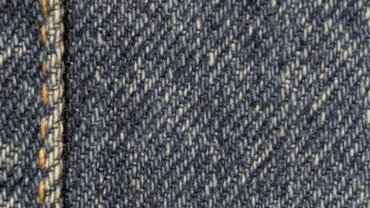
Research opportunities include investigating indigo dyeing technology, low-impact denim processing, recycled and regenerative cotton, stretch and non-stretch denim engineering, water-saving finishing, and laser/ozone-based garment treatments. Further research can explore improving abrasion resistance, color retention, dimensional stability, and comfort while reducing water, energy, and chemical consumption throughout denim production and finishing.
Sample Details:
* Object Title: 3/1 RHT Indigo Denim Fabric
* Accession Number: THB W-Denim 02/2026
* Category: Woven Collection – Denim
* Period: 2026
* Region: Asia, Bangladesh
* Material Composition: 100% Cotton
Weave Construction: 3/1 Right-Hand * Twill (RHT)
* Yarn Count (warp × weft): To be documented from sample
* GSM: 12.50 Oz
* Width: 69″
* Dye Type: Indigo
* Weft: Undyed / Natural Cotton
* Condition Assessment: Fabric Hanger
* Historical Notes: Denim developed from durable cotton twill fabrics historically associated with workwear and utility garments. The characteristic blue-and-white appearance results from indigo-dyed warp yarns combined with lighter weft yarns. The 3/1 twill construction became particularly significant in jeanswear because of its strength, abrasion resistance, and ability to develop distinctive fading through wear and washing. The fabric later evolved from traditional workwear into one of the most influential materials in global fashion and lifestyle apparel. Bangladesh has subsequently become an important manufacturing and export hub for denim garments, supporting the development of advanced denim weaving, dyeing, washing and finishing technologies.
Source: AZLAN DENIM
Available in Museum’s Library
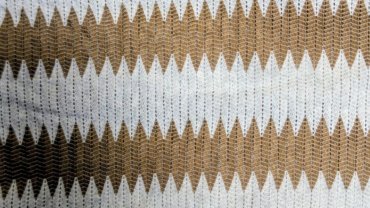
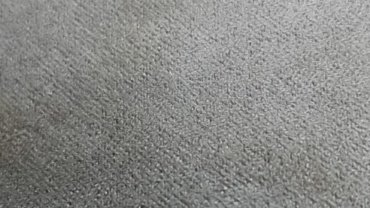
Crochet fabric offers research opportunities in loop-based textile construction, yarn selection, stitch density, dimensional stability, stretch behavior, surface texture, and sustainable handcrafted textile development. Its construction provides valuable scope for studying the relationship between yarn characteristics, stitch geometry, material efficiency, and functional performance in apparel and textile applications.
Sample Details:
* Object Title: Crochet Fabric
* Accession Number: THB W-TWF 08/2026
* Category: Textile Collection – Crochet
* Period: 2026
* Region: Asia, China
* Material Composition: Need analysis
* Construction: Crochet / Loop
* Yarn Count: Need analysis
* GSM: Need analysis
* Width: Need analysis
* Stitch Type: Need analysis
* Dye Type: Need analysis
* Condition Assessment: Fabric swatch
Historical Notes: Crochet is a loop-forming textile technique in which yarn is transformed into a fabric structure through interconnected loops and defined stitch formations. Unlike woven fabrics, crochet does not use conventional warp–weft interlacement. Variations in yarn type, stitch geometry, loop density, and pattern development create different levels of openness, texture, flexibility, and dimensional stability. The technique has evolved from traditional handcraft into contemporary fashion and textile design.
Source / Donor: Hullor
Available in the Museum’s Library
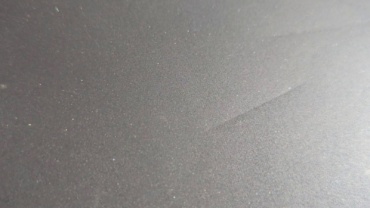
Woven Suede Fabric offers valuable opportunities for studying advanced surface finishing techniques, microfiber engineering, and the development of suede-like textiles as sustainable alternatives to natural leather. It also reflects the evolution of modern woven fabrics for fashion, upholstery, and lifestyle applications.
Sample Details:
Object Title: Woven Suede Fabric
Accession Number: THB W-TWF 07/2026
Category: Woven Collection
Period: 2026
Region: Asia, Bangladesh
Material Composition: 100% Polyester Microfiber
Weave Construction: Need Analysis
GSM: 120
Width: 56/57″
Surface Finish: Brushed & Peach Finish (Suede Finish)
Dye Type: Need Analysis
Condition Assessment: Fabric Swatch
Historical Notes: Woven Suede Fabric gained widespread commercial use during the late 20th century with the advancement of microfiber technology. It was developed to replicate the luxurious appearance and soft hand feel of natural suede while providing improved durability, lower maintenance, and an animal-free alternative for apparel, footwear, upholstery, and accessories.
Source / Donor: Hullor Fashion Limited
Available in the Museum’s Library.
Reflective fabric offers research opportunities in advanced retroreflective technologies, sustainable reflective materials, durable wash-resistant coatings, smart textile integration, high-visibility performance optimization, and eco-friendly manufacturing processes for next-generation protective clothing, sportswear, and functional textile applications.
Swatch Details:
* * Accession Number: THB W-TWF 06/2026
* Need analysis
Available in the Museum’s Library.
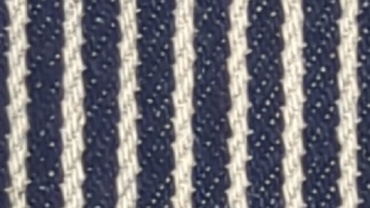
Stripe Denim offers significant research potential for studying yarn-dyed pattern development, twill weave construction, indigo dyeing techniques, and the evolution of functional workwear into modern fashion textiles. It provides valuable insight into the history of striped denim fabrics used in railroad uniforms, industrial workwear, and contemporary denim apparel, illustrating the relationship between textile engineering, durability, and aesthetic design.
Sample Details:
* Object Title: Stripe Denim Fabric
* Accession Number: THB W-DEN 01/2026
* Category: Woven Collection – Denim Fabrics
* Period: 2026
* Region: Asia, Bangladesh
* Material Composition: 100% Cotton
* Weave Construction: 3/1 Right-Hand Twill
* Yarn Count (Warp × Weft): Need analysis
* GSM: Need to check
* Dye Type: Indigo Warp with Yarn-Dyed Stripe Effect
* Condition Assessment: Fabric Swatch
Historical Notes: Stripe Denim originated in the late 19th and early 20th centuries, particularly in North America, where hickory stripe denim became the preferred fabric for railroad workers, mechanics, and industrial laborers. The striped construction provided both visual distinction and practical performance, making it an iconic workwear textile before evolving into a popular fashion fabric.
Available in Museum for research & study.
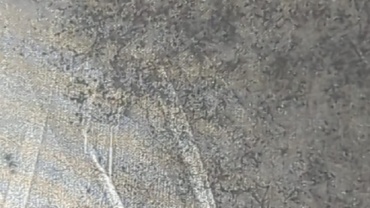
Metallic fabrics offer significant research opportunities in textile engineering, sustainable finishing, and smart materials. Future studies may focus on developing eco-friendly metallic coatings, improving durability and recyclability, reducing environmental impact, and integrating conductive properties for wearable electronics and smart textiles. Research into bio-based metallic finishes and advanced nanotechnology coatings may further expand the applications of metallic fabrics in both fashion and technical industries.
The history of metallic textiles dates back thousands of years, when gold and silver threads were woven into luxury fabrics for royalty, religious garments, and ceremonial dress in ancient Egypt, Persia, China, and Europe. During the twentieth century, the development of synthetic fibers and advanced finishing technologies enabled the production of lightweight metallic fabrics using aluminum coatings, metallic pigments, and foil applications. Today, metallic fabrics are widely used in fashion, performance wear, technical textiles, and interior decoration, representing a fusion of traditional craftsmanship and modern textile innovation.
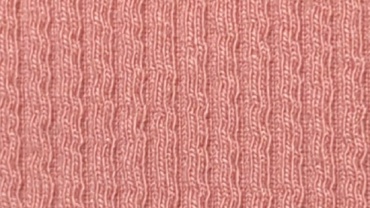
Snake Rib Structured Fabric
Available in Museum’s Library.
Snake Rib Structured Fabric offers valuable research opportunities in biomimicry-inspired textile design, engineered surface development, three-dimensional fabric structures, advanced knitting technologies, and performance material innovation. Its distinctive ribbed construction, inspired by the skeletal arrangement of snake ribs, demonstrates how natural forms can influence modern textile engineering to create fabrics with enhanced flexibility, dimensional stability, and visual depth.
Sample Details:
Object Title: Snake Rib Structured Fabric
Accession Number: THB K-TKF 02/2026
Category: Engineered Fabric Collection
Period: 2026
Region: Asia, Bangladesh
Material Composition: 80% Polyester, Rayon (Viscose) 17%, 3% Spandex
Fabric Construction: Engineered Rib Structure / Snake Rib Effect
Yarn Count: Variable Engineered Construction
GSM: 280 GSM
Width: 64″ Cuttable
Dye Type:
Condition Assessment: Fabric Swatch
Historical Notes: The design concept behind Snake Rib Structured Fabric emerged from the field of biomimicry, where natural biological structures inspire technological and material innovation. Although nature-inspired textiles began gaining attention during the late 20th century, advancements in computerized knitting, jacquard engineering, and 3D textile manufacturing during the 1990s and 2000s enabled the development of complex ribbed and skeletal-inspired fabric surfaces. By the 2010s, fashion and technical textile sectors increasingly adopted reptile-inspired structures for their unique combination of aesthetics, flexibility, and performance. Snake Rib Structured Fabric represents a contemporary textile innovation that merges natural inspiration with advanced fabric engineering.
Innovation Timeline:
1970s–1980s: Early experimentation with bio-inspired textile structures.
1990s: Growth of computerized knitting and engineered textile technologies.
2000s: Commercial adoption of biomimicry concepts in textile product development.
2010s: Expansion of reptile-inspired and skeletal-inspired fabric surfaces in fashion and performance textiles.
2020s–Present: Integration of advanced engineered structures into sportswear, outerwear, luxury fashion, and technical textile applications.
Available in Museum’s Library.
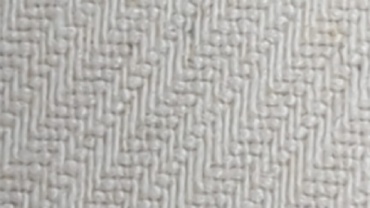
Cavalry Twill fabric offers valuable research opportunities in sustainable cotton sourcing, recycled fiber integration, durable twill constructions, performance finishing, and structured fabric engineering for apparel, uniforms, and outerwear applications. Its distinctive diagonal twill ribs and dense construction demonstrate how weave structure enhances durability, shape retention, and long-term garment performance.
Sample Details:
* Object Title : Cavalry Twill Fabric
* Accession Number: THB W-TWILL 05/2026
* Category : Woven Collection
* Period : 2026
* Region : Asia, Bangladesh
* Material Composition : 80% BCI Cotton, 20% Recycled Cotton
* Weave Construction: Cavalry Twill
* Yarn Count (warp × weft) : 20×7 / 70×58
* GSM : 300–310 GSM
* Width: 57″ Finish / 56″ Cuttable
* Dye Type : Ecru / Softener Wash
* Condition Assessment : Fabric swatch
* Historical Notes : Cavalry Twill originated from military and equestrian uniforms during the 19th century, particularly in Europe and Britain. Its strong twill construction and pronounced diagonal ribs provided durability, abrasion resistance, and structure for riding apparel and uniforms. Over time, the fabric evolved into a premium textile widely used in trousers, jackets, workwear, and contemporary fashion collections due to its strength, refined texture, and long-lasting performance.
* Source: NZ Tex Group
Available in Museum’s Library
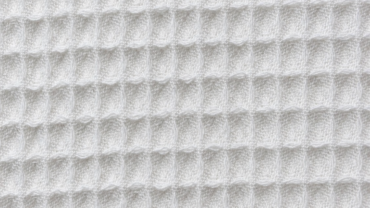
Waffle Woven Fabric offers strong research potential in the field of structural textile engineering, particularly in cellular weave development, moisture management performance, and sustainable fabric construction. It provides opportunities to explore weave geometry optimization, absorbency enhancement, air permeability control, and the role of yarn structure in creating functional textiles without heavy chemical finishing.
Sample Details:
* Object Title: Waffle Woven Fabric (Honeycomb Fabric)
* Accession Number: THB W-TWF 05/2026
* Category: Textured Woven Textile Collection
* Period: 2025
* Region: Asia / Bangladesh
* Material Composition: 100% Cotton
* Construction: Cellular / Honeycomb Weave (Plain weave derivative with float variation)
* Yarn Count (Warp × Weft): 20s × 2
EPI × PPI: Approx. 85 × 69
* GSM: Approx. 220–260 (estimated, requires lab testing)
* Width: Standard
* Dye Type: Piece Dyed (White/Natural)
* Condition Assessment: Fabric yardage
Historical Notes:
Cellular or waffle weave structures originated in early European textile traditions, particularly in linen-based household fabrics prior to the 18th century. With the technological advancements of the Industrial Revolution in England (circa 1760–1820), complex weave formations such as honeycomb became more accessible through mechanized looms. By the 19th century, waffle fabrics gained prominence in bath textiles due to their superior absorbency and quick-drying characteristics. In the mid-20th century, their application expanded into apparel, especially in thermal wear and casual garments. In the modern era, waffle woven fabrics have become increasingly relevant in sustainable textile development, utilizing organic cotton and eco-friendly finishing processes while maintaining performance through structure rather than chemical dependency.
* Source / Donor: Paramount Textile Ltd.
Available in Museum’s Library
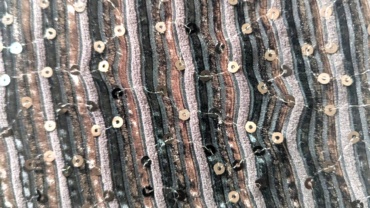
Sequin Embroidery Polyester Fabric offers strong research potential in the field of decorative textile engineering, particularly in automated embellishment techniques, synthetic material performance, and surface design innovation. It provides opportunities to explore sequin attachment methods, durability enhancement, base fabric compatibility, and comfort optimization for fashion and occasion wear applications.
Sample Details:
* Object Title: Sequin Embroidery Polyester Fabric
* Accession Number: THB W-TWF 04/2026
* Category: Embellished / Decorative Textile Collection
* Period: 2026
* Region: Asia / China
* Material Composition: 100% Polyester
* Construction: Embroidery with Sequin Attachment on Base Fabric
* Yarn Count (Warp × Weft): Not applicable (base fabric requires analysis)
* GSM: Approx. 178
* Width: 130 cm
* Dye Type: Piece Dyed (Black) with Surface Embellishment
* Condition Assessment: Fabric swatch
Historical Notes:
Sequin-embellished textiles have origins in ancient civilizations, where metallic discs were hand-sewn onto garments as symbols of wealth and status. With the advancement of industrial embroidery technologies in the late 20th century, sequin application evolved into a scalable and precise manufacturing process. Polyester-based sequin embroidery fabrics represent a modern adaptation—combining durability, cost efficiency, and high visual impact. Today, such fabrics are widely used in global fashion for eveningwear, stage costumes, and trend-driven apparel, reflecting the fusion of traditional ornamentation with contemporary textile engineering.
* Source / Donor: Hullor
