
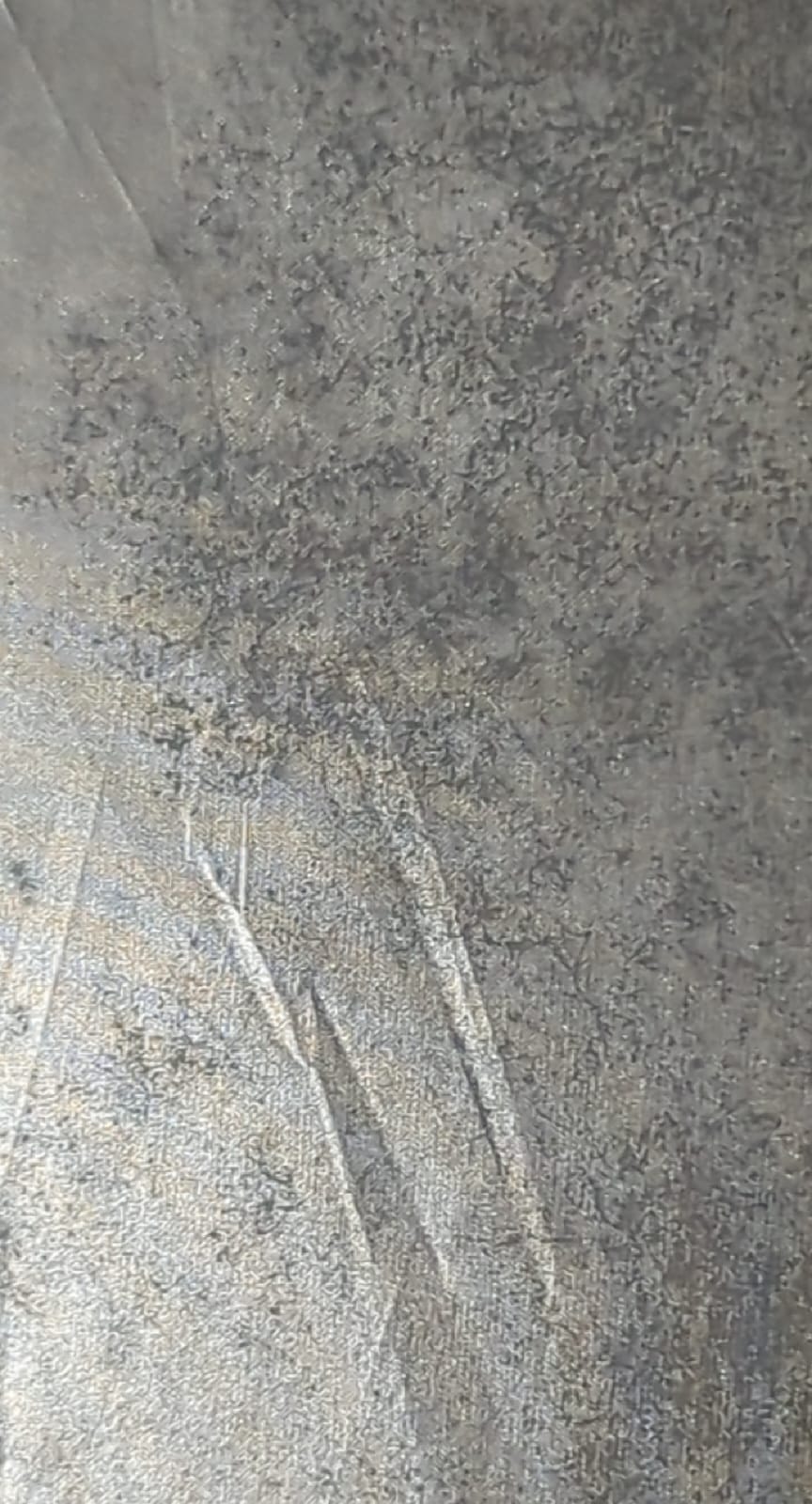
Metallic Fabric is a specialty textile engineered to create the appearance and visual effect of metal while retaining the flexibility, comfort, and functionality of fabric. This effect is achieved through metallic yarn incorporation, foil printing, metallic pigment coating, lamination, or advanced surface-finishing technologies. Metallic fabrics are valued for their reflective appearance, futuristic aesthetics, and decorative appeal in fashion, technical textiles, and performance costumes.
Metallic fabrics are produced using woven, knitted, or nonwoven base materials that undergo specialized finishing processes. Depending on the manufacturing method, metallic effects may be created through the integration of metallic fibers such as Lurex®, aluminum-coated polyester filaments, metallic pigments, foil transfer printing, or metallic polymer coatings. Fabric weights typically range from 120–350 GSM depending on the end use. The resulting textile exhibits a reflective surface, varying degrees of stiffness, and enhanced visual depth while maintaining flexibility and wearability.
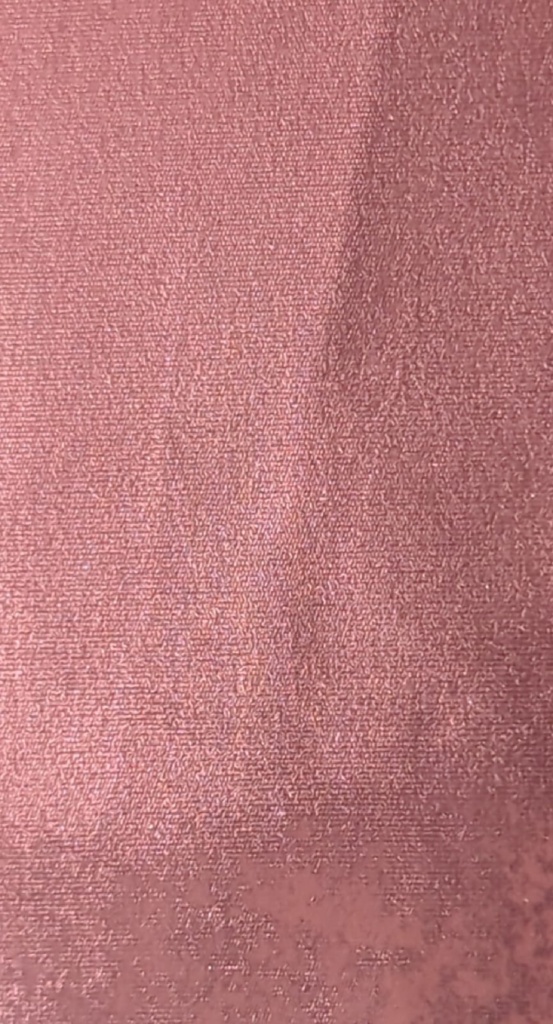
The appearance of metallic fabric can range from smooth mirror-like finishes to distressed, antique, crackled, brushed, or textured metal effects. Surface characteristics are influenced by the finishing technology, coating thickness, and subsequent washing or abrasion treatments. Modern metallic fabrics are engineered to provide improved durability, color retention, and resistance to cracking compared to earlier generations of metallic textiles.
The origins of metallic textiles can be traced to ancient civilizations, where gold and silver threads were woven into luxury fabrics for royalty, religious garments, and ceremonial dress. During the twentieth century, advancements in synthetic fibers and textile finishing technologies enabled the mass production of metallic fabrics for fashion, entertainment, aerospace, and technical applications. Today, metallic textiles represent the convergence of traditional decorative techniques and modern textile engineering.
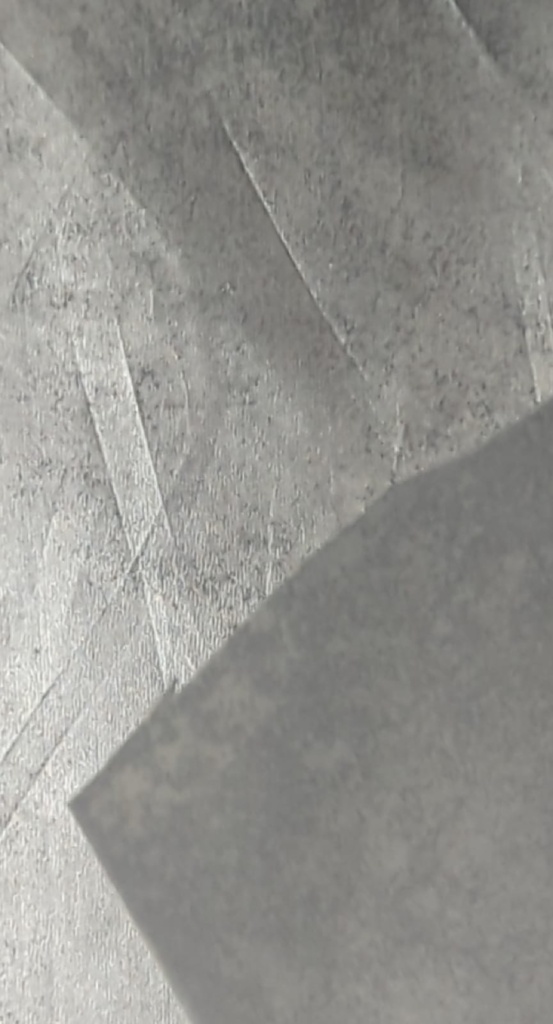
Common finishing processes include metallic pigment coating, foil transfer printing, vacuum metallization, calendaring, embossing, protective top coating, and specialty wash treatments. These processes enhance reflectivity, surface texture, abrasion resistance, and overall aesthetic performance.
Metallic fabrics are widely used in fashion apparel, evening wear, outerwear, sportswear, stage costumes, accessories, upholstery, decorative textiles, footwear, and technical applications where visual impact and innovation are desired.
In a textile museum, Metallic Fabric demonstrates the evolution of textile surface engineering and the industry’s pursuit of combining functionality with visual expression. It represents the successful integration of chemistry, material science, and textile technology to transform ordinary fabrics into high-performance decorative materials. Metallic textiles stand as a significant milestone in the development of contemporary fashion and advanced textile finishing techniques.