

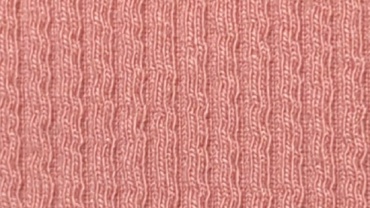
Snake Rib Structured Fabric
Available in Museum’s Library.
Snake Rib Structured Fabric offers valuable research opportunities in biomimicry-inspired textile design, engineered surface development, three-dimensional fabric structures, advanced knitting technologies, and performance material innovation. Its distinctive ribbed construction, inspired by the skeletal arrangement of snake ribs, demonstrates how natural forms can influence modern textile engineering to create fabrics with enhanced flexibility, dimensional stability, and visual depth.
Sample Details:
Object Title: Snake Rib Structured Fabric
Accession Number: THB K-TKF 02/2026
Category: Engineered Fabric Collection
Period: 2026
Region: Asia, Bangladesh
Material Composition: 80% Polyester, Rayon (Viscose) 17%, 3% Spandex
Fabric Construction: Engineered Rib Structure / Snake Rib Effect
Yarn Count: Variable Engineered Construction
GSM: 280 GSM
Width: 64″ Cuttable
Dye Type:
Condition Assessment: Fabric Swatch
Historical Notes: The design concept behind Snake Rib Structured Fabric emerged from the field of biomimicry, where natural biological structures inspire technological and material innovation. Although nature-inspired textiles began gaining attention during the late 20th century, advancements in computerized knitting, jacquard engineering, and 3D textile manufacturing during the 1990s and 2000s enabled the development of complex ribbed and skeletal-inspired fabric surfaces. By the 2010s, fashion and technical textile sectors increasingly adopted reptile-inspired structures for their unique combination of aesthetics, flexibility, and performance. Snake Rib Structured Fabric represents a contemporary textile innovation that merges natural inspiration with advanced fabric engineering.
Innovation Timeline:
1970s–1980s: Early experimentation with bio-inspired textile structures.
1990s: Growth of computerized knitting and engineered textile technologies.
2000s: Commercial adoption of biomimicry concepts in textile product development.
2010s: Expansion of reptile-inspired and skeletal-inspired fabric surfaces in fashion and performance textiles.
2020s–Present: Integration of advanced engineered structures into sportswear, outerwear, luxury fashion, and technical textile applications.
Available in Museum’s Library.
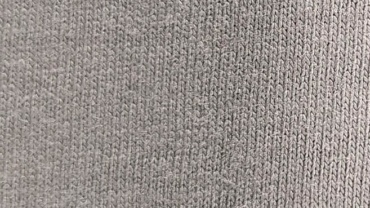
Single Jersey offers research opportunities in stretch optimization, moisture management, and sustainable knit structures, bridging traditional weft-knitting techniques with modern performance fabrics.
Sample Details:
* Object Title : Single Jersey
* Accession Number: THB K-SJ 01/2026
* Category : Knit Collection
* Period : 2026
* Region : Asia, Bangladesh
* Material Composition : 100% Cotton
* Weave Construction: Weft Knit
* Yarn Count (warp × weft) : Need to identify
* GSM : 180
* Width: Available
* Dye Type : Reactive Dye
* Condition Assessment : Fabric swatch
* Historical Notes : Single Jersey emerged in the late 19th century with circular knitting machines in England, initially used for undergarments and lightweight apparel due to its smooth, stretchable texture.
* Source / Donor : SF Fashion
Available in Museum’s Library.
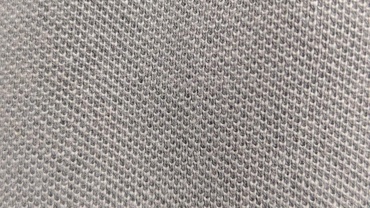
Piqué offers research opportunities in knit/woven texture engineering, moisture management, and durable sportswear applications, bridging traditional pattern design with modern functional performance.
Sample Details:
* Object Title : Piqué Fabric
* Accession Number: THB W-TKF 01/2026
* Category : Knit Collection
* Period : 2026
* Region : Asia, Bangladesh
* Material Composition : 100% Polyester
* Weave Construction: Weft Knit
* Yarn Count (warp × weft) : Need analysis
* GSM : 220
* Width:
* Dye Type : Reactive
* Condition Assessment : Fabric swatch
* Historical Notes : Piqué originated in 18th–19th century France and England, initially used for formal shirts and waistcoats due to its crisp texture and decorative raised patterns.
* Source / Donor : SF Fashion
Available in Museum’s Library.
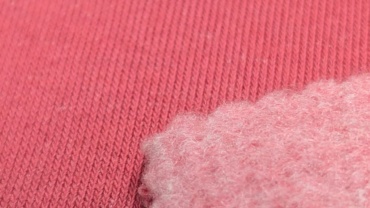
Fleece fabric offers research opportunities in thermal insulation, moisture management, and sustainable synthetic fiber innovations, bridging comfort and performance. Its evolution from natural wool to engineered polyester knits provides insights into material science, textile engineering, and eco-friendly fabric development.
Sample Details:
* Object Title : Fleece Fabric
* Accession Number: THB K-Fleece 01/2026
* Category : Knit Collection
* Period : 2026
* Region : Asia, Bangladesh
* Material Composition : 100% Cotton
* Weave Construction: Fleece one side brush
* Yarn Count (warp × weft) : Need to identify
* GSM : 355
* Width: Available
* Dye Type : Reactive Dye
* Condition Assessment : Fabric swatch
* Historical Notes : Fleece was developed in the 1970s by Malden Mills in the USA as a lightweight, warm, and synthetic alternative to wool. Since then, it has become a staple in outdoor, sports, and casual apparel due to its soft texture, insulating properties, and ease of care.
* Source / Donor : SF Fashion
Available in Museum’s Library.
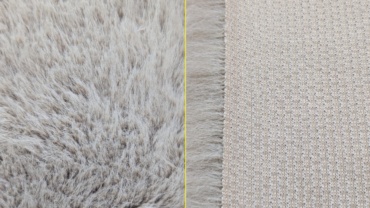
Sherpa fabric offers research opportunities in thermal insulation, sustainable synthetic blends, and performance-enhancing finishes, bridging traditional textile inspiration with modern functional innovation. Its evolution from natural sheepskin to high-tech fleece provides a case study in cultural heritage influencing contemporary material science.
Sample Details:
* Object Title : Sherpa Fabric
* Accession Number: THB W-TKF 01/2026
* Category : Knit Collection
* Period : 2026
* Region : Asia, Bangladesh
* Material Composition : 100% Polyester
* Weave Construction: Faux Fur
* Yarn Count (warp × weft) : 40-60 mm- Long & Short hair
* GSM : 1380
* Width: 59″
* Dye Type : Synthetic
* Condition Assessment : Fabric swatch
* Historical Notes : Sherpa fabric originated from the traditional wool garments of the Himalayan Sherpa people, used for warmth since at least the 15th century. Its modern synthetic version emerged in the 1950s–60s, replicating natural fleece for lightweight, insulating apparel.
* Source / Donor : SIXIANG TEXTILE (CHINA)
