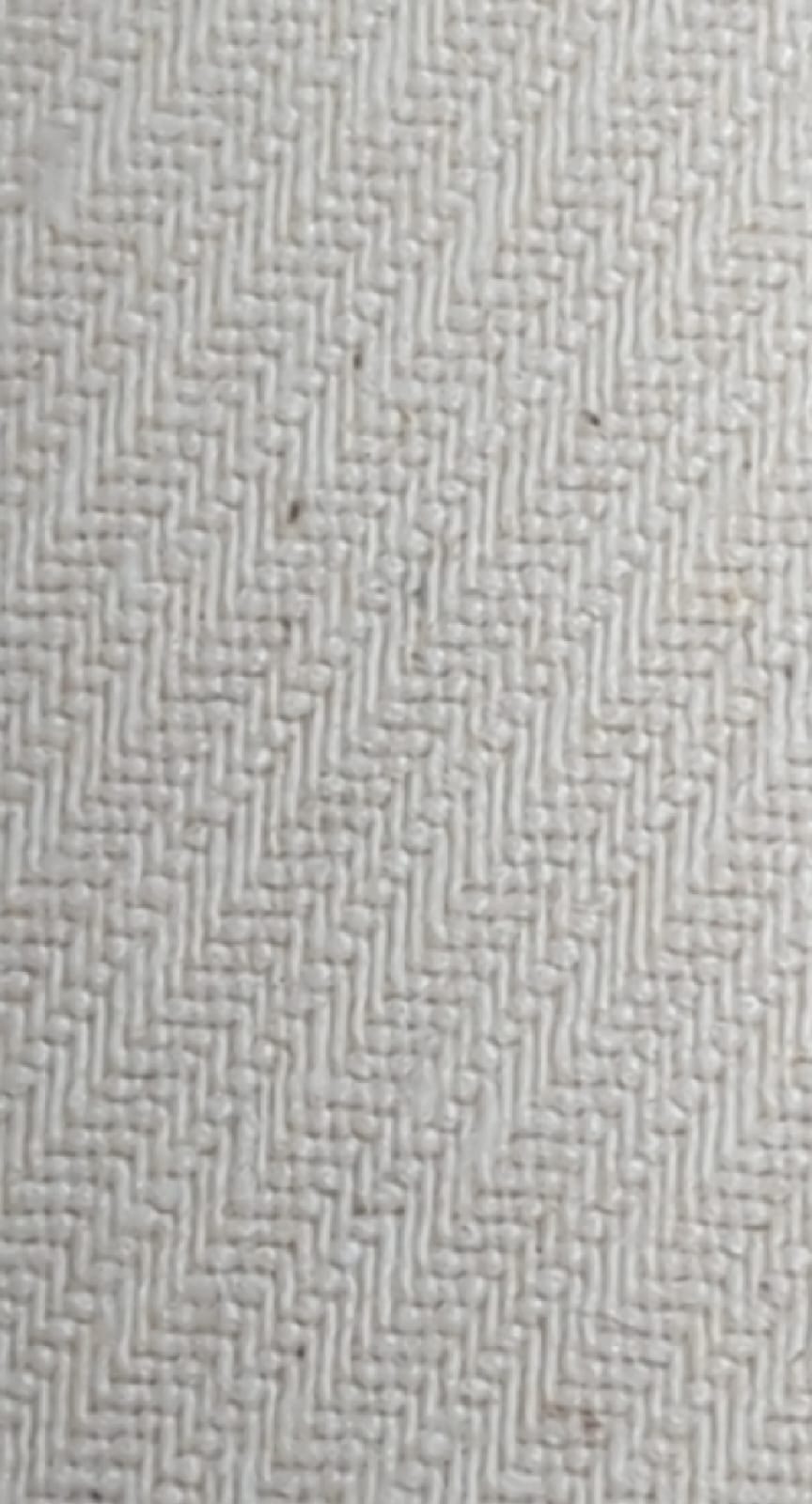
Cavalry Twill is a durable woven fabric recognized for its pronounced double twill lines, dense construction, and structured appearance. Traditionally developed for military riding uniforms and equestrian wear, cavalry twill is woven using a steep twill weave that creates strong diagonal ribs on the fabric surface. The fabric is valued for its strength, resilience, and refined texture, making it suitable for both functional and fashion applications.
The term “Cavalry Twill” originated from its historical use in cavalry uniforms during the 19th century, particularly in Europe and Britain. The tightly woven structure provided durability and resistance against abrasion while maintaining a polished appearance suitable for military garments. Over time, the fabric evolved into a premium textile used in trousers, jackets, uniforms, workwear, and contemporary fashion collections.
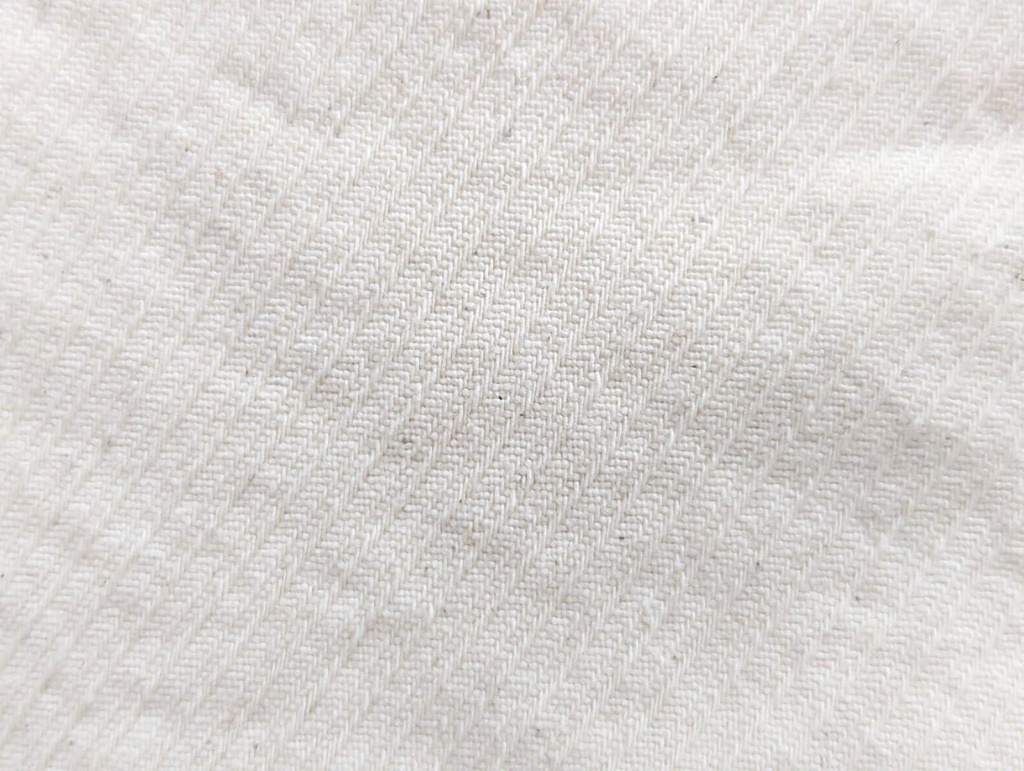
Cavalry twill is generally produced using cotton, wool, polyester blends, or recycled fibers. In modern sustainable developments, blends such as BCI cotton and recycled cotton are increasingly used to reduce environmental impact while maintaining fabric performance. The fabric is woven with a strong twill construction, often featuring higher warp density for enhanced durability and dimensional stability.
Unlike plain weaves, cavalry twill displays distinct diagonal ridges that provide texture, body, and a sophisticated visual effect. The fabric usually falls within medium to heavy weight categories, offering excellent shape retention, wrinkle resistance, and long service life. Softening and washing treatments can be applied to improve comfort while preserving the structured hand feel.
Finishing techniques such as soft finish, enzyme wash, calendaring, sanforization, and softener wash are commonly used to enhance smoothness, reduce shrinkage, and improve fabric handle. Depending on the end use, cavalry twill may be produced in ecru, dyed, brushed, or coated finishes.
Today, cavalry twill remains widely used for trousers, outerwear, uniforms, utility garments, and premium casualwear due to its balance of durability, comfort, and timeless appearance. Its robust structure and historical significance continue to make it an important fabric within woven textile development.
In a textile museum, cavalry twill represents the evolution of twill weaving technology, military-inspired textiles, and sustainable fabric innovation, demonstrating how weave structure, yarn engineering, and finishing techniques combine to create a strong yet refined woven fabric with lasting commercial relevance.