
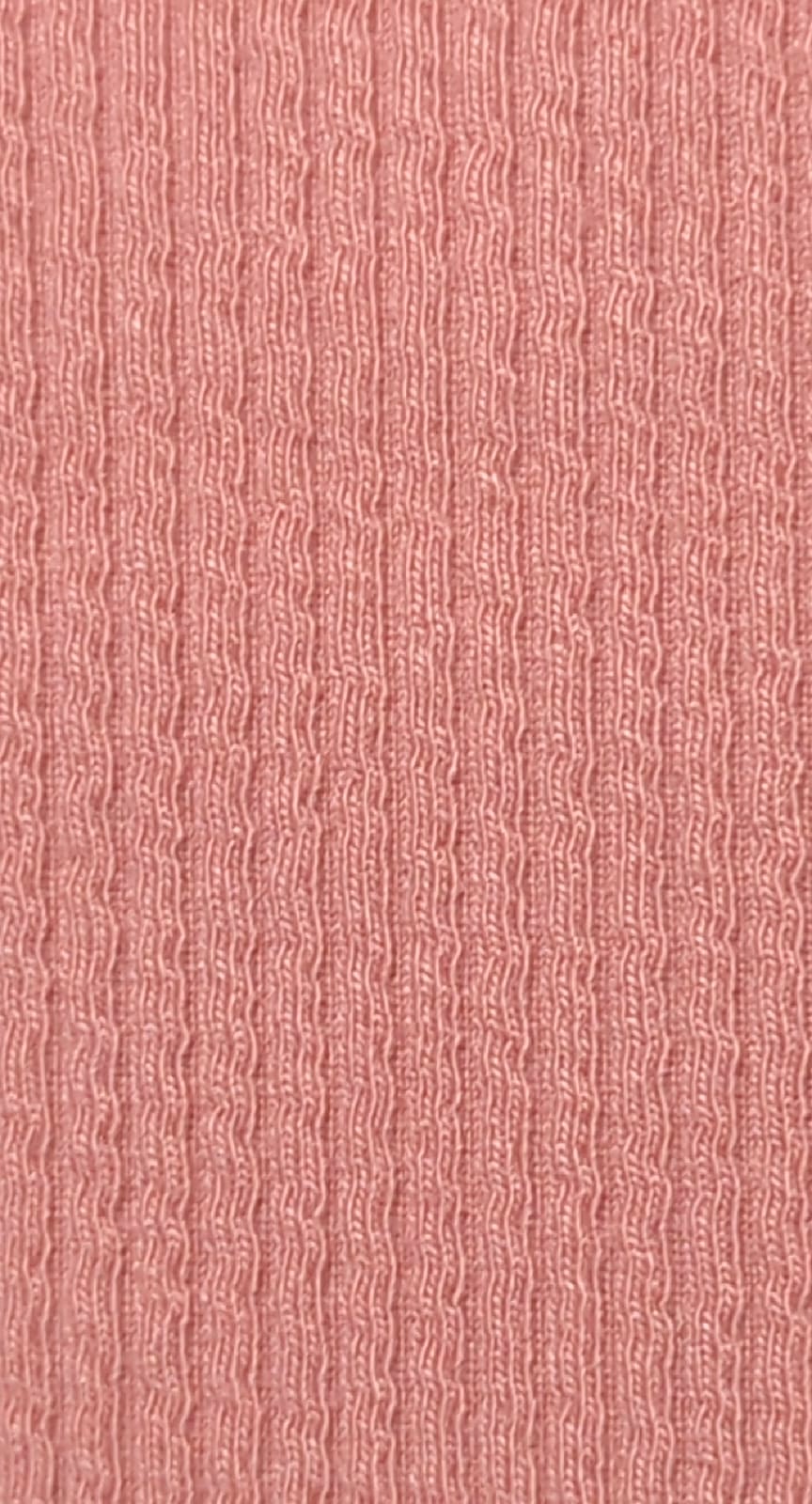
Snake Rib Structured Fabric is an innovative textile characterized by a three-dimensional ribbed surface inspired by the anatomical structure of a snake’s skeletal system. The fabric features a distinctive linear texture that mimics the arrangement and flexibility of snake ribs, creating a dynamic surface with both visual depth and functional performance. It is typically produced using engineered knitting, woven construction, quilting, embossing, or advanced jacquard techniques and may incorporate natural or synthetic fibers depending on the intended application.
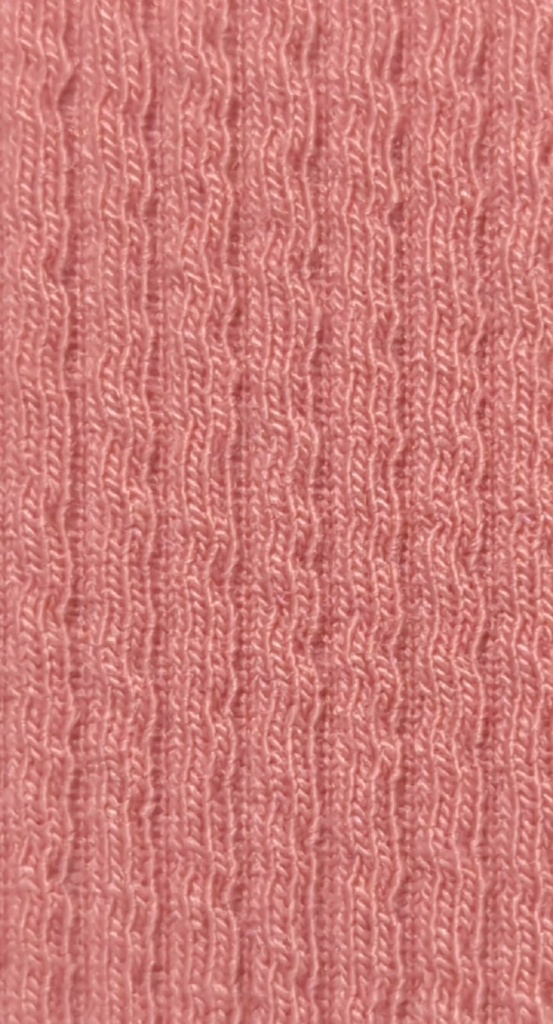
Snake Rib Structured Fabric is constructed to replicate the segmented and repetitive pattern found in snake rib structures. The fabric surface consists of raised ribs or channels arranged in parallel formations, creating a highly textured appearance. This engineered structure provides enhanced flexibility, dimensional stability, and a unique tactile experience. Depending on the manufacturing technique, the fabric may exhibit varying levels of stretch, recovery, breathability, and insulation while maintaining a strong architectural appearance.
The concept behind Snake Rib Structured Fabric emerged from the broader field of biomimicry, which gained significant attention during the late 20th century. While nature-inspired textile structures can be traced back to experimental textile developments of the 1970s and 1980s, the commercialization of bio-inspired engineered fabrics accelerated during the 1990s and early 2000s with advances in computerized knitting and jacquard technologies. By the 2010s, designers and technical textile developers increasingly adopted skeletal and reptilian-inspired structures to create fabrics offering both aesthetic distinction and enhanced performance. Snake Rib Structured Fabric represents this modern era of textile innovation, where natural biological systems influence advanced material design.
The inspiration originates from the skeletal framework of snakes, which consists of hundreds of interconnected ribs that provide an exceptional balance of flexibility, strength, and mobility. Textile engineers adapted these structural principles into fabric development, creating surfaces that emulate the visual rhythm and functional characteristics of snake anatomy.
Common finishes include heat setting, embossing, softening, coating, and performance treatments designed to enhance texture definition and durability. Depending on the end use, additional finishes may improve moisture management, wrinkle resistance, shape retention, abrasion resistance, or comfort properties.
Snake Rib Structured Fabric is widely used in contemporary fashion apparel, outerwear, activewear, footwear components, bags, protective textiles, and interior applications. Its distinctive textured appearance makes it particularly suitable for premium products where innovation, functionality, and visual impact are essential.
Timeline of Development
- 1970s–1980s: Early experimentation with nature-inspired textile structures and engineered surface effects.
- 1990s: Development of advanced computerized knitting and weaving technologies enabled more complex three-dimensional textile constructions.
- 2000s: Commercial adoption of biomimicry concepts in textile and industrial design sectors.
- 2010s: Growth of reptile-inspired and skeletal-inspired textile structures in performance and fashion applications.
- 2020s–Present: Increased use of bio-inspired engineered fabrics in sustainable design, technical textiles, sportswear, luxury fashion, and material innovation research.
In a textile museum, Snake Rib Structured Fabric represents the convergence of biology, engineering, and textile science. It demonstrates how natural structures can inspire innovative fabric development and highlights the evolution of textiles from traditional constructions toward advanced engineered surfaces. The fabric serves as a valuable example of biomimicry in modern textile design, illustrating how observations from nature continue to influence the future of apparel, technical textiles, and material innovation.