Texheritage Bangladesh - is Bangladesh’s first dedicated, research-based textile museum and digital archive


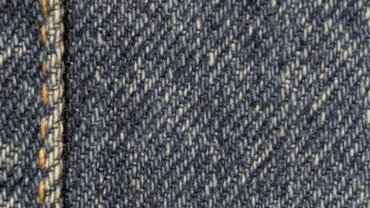
Available in Museum’s Library
Research opportunities include investigating indigo dyeing technology, low-impact denim processing, recycled and regenerative cotton, stretch and non-stretch denim engineering, water-saving finishing, and laser/ozone-based garment treatments. Further research can explore improving abrasion resistance, color retention, dimensional stability, and comfort while reducing water, energy, and chemical consumption throughout denim production and finishing.
Sample Details:
* Object Title: 3/1 RHT Indigo Denim Fabric
* Accession Number: THB W-Denim 02/2026
* Category: Woven Collection – Denim
* Period: 2026
* Region: Asia, Bangladesh
* Material Composition: 100% Cotton
Weave Construction: 3/1 Right-Hand * Twill (RHT)
* Yarn Count (warp × weft): To be documented from sample
* GSM: 12.50 Oz
* Width: 69″
* Dye Type: Indigo
* Weft: Undyed / Natural Cotton
* Condition Assessment: Fabric Hanger
* Historical Notes: Denim developed from durable cotton twill fabrics historically associated with workwear and utility garments. The characteristic blue-and-white appearance results from indigo-dyed warp yarns combined with lighter weft yarns. The 3/1 twill construction became particularly significant in jeanswear because of its strength, abrasion resistance, and ability to develop distinctive fading through wear and washing. The fabric later evolved from traditional workwear into one of the most influential materials in global fashion and lifestyle apparel. Bangladesh has subsequently become an important manufacturing and export hub for denim garments, supporting the development of advanced denim weaving, dyeing, washing and finishing technologies.
Source: AZLAN DENIM
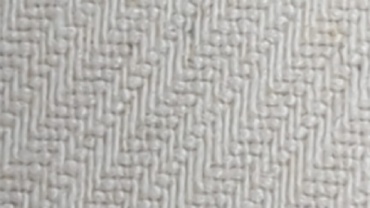
Available in Museum’s Library.
Cavalry Twill fabric offers valuable research opportunities in sustainable cotton sourcing, recycled fiber integration, durable twill constructions, performance finishing, and structured fabric engineering for apparel, uniforms, and outerwear applications. Its distinctive diagonal twill ribs and dense construction demonstrate how weave structure enhances durability, shape retention, and long-term garment performance.
Sample Details:
* Object Title : Cavalry Twill Fabric
* Accession Number: THB W-TWILL 05/2026
* Category : Woven Collection
* Period : 2026
* Region : Asia, Bangladesh
* Material Composition : 80% BCI Cotton, 20% Recycled Cotton
* Weave Construction: Cavalry Twill
* Yarn Count (warp × weft) : 20×7 / 70×58
* GSM : 300–310 GSM
* Width: 57″ Finish / 56″ Cuttable
* Dye Type : Ecru / Softener Wash
* Condition Assessment : Fabric swatch
* Historical Notes : Cavalry Twill originated from military and equestrian uniforms during the 19th century, particularly in Europe and Britain. Its strong twill construction and pronounced diagonal ribs provided durability, abrasion resistance, and structure for riding apparel and uniforms. Over time, the fabric evolved into a premium textile widely used in trousers, jackets, workwear, and contemporary fashion collections due to its strength, refined texture, and long-lasting performance.
* Source: NZ Tex Group
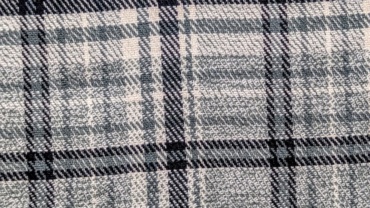
Available in the Museum’s Library.
Research on S-Twill can explore how twill direction, yarn count, and fiber blends influence strength, drape, and abrasion resistance. Further study may focus on sustainable fibers, advanced finishes, and performance optimization for modern apparel and technical textiles.
Sample Details:
* Object Title : Right-Hand Twill (S-Twill)
* Accession Number: THB W-TWILL 04/2026
* Category : Woven Collection
* Period : 2026
* Region : Asia, Bangladesh
* Material Composition : 100% BCI Cotton
* Weave Construction: 2×2 S-Twill
* Yarn Count (warp × weft) : 42×30/(16/2+16/2G)x(16/2+16/2G)
* GSM : 238
* Width: 57″
* Dye Type : Synthetic – Yarn Dyed
* Condition Assessment : Fabric swatch
* Historical Notes : S-Twill does not have a single inventor; it evolved naturally as part of traditional weaving techniques, with usage tracing back to ancient textile production (circa 3000–2000 BCE) in Egypt and Asia.
Right-Hand Twill (S-Twill) has been used for centuries in Europe and Asia for denim, gabardine, and suiting fabrics, valued for its durability, drape, and subtle diagonal texture. It reflects early innovations in weave direction to enhance both aesthetics and performance.
* Source / Donor : Paramount Textile
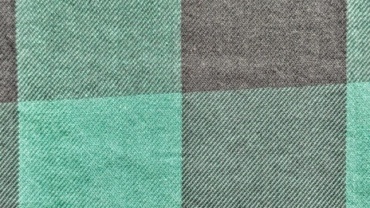
Available in the Museum’s Library.
The research opportunity for Left-Hand Twill (Z-Twill) includes studying how twill direction and yarn count influence fabric strength, drape, and abrasion resistance. Further exploration can focus on optimizing fiber blends, finishes, and weave variations for modern apparel and technical textile applications.
Sample Details:
* Object Title : Left-Hand Twill (Z-Twill)
* Accession Number: THB W-TWILL 03/2026
* Category : Woven Collection
* Period : 2026
* Region : Asia, Bangladesh
* Material Composition : 70% BCI Cotton 30% Recycle Cotton (Pre)
* Weave Construction: 2×2 Z-Twill
* Yarn Count (warp × weft) : 16×21/66×60
* GSM : 174
* Width: 57″
* Dye Type : Synthetic – Yarn Dyed
* Condition Assessment : Fabric swatch
* Historical Notes : Left-Hand Twill does not have a single inventor and emerged as a natural development in traditional weaving techniques. Twill weaves, including left-hand (Z-twill) and right-hand (S-twill), have been used since ancient times, dating back to early Egyptian and Asian textile practices (circa 3000–2000 BCE) for durable and decorative fabrics.
It is a weave structure innovation rather than a patented invention, evolving through centuries of practical and aesthetic textile development.
* Source / Donor : Zaber & Zubair Fabrics
Available in Museum’s Library.
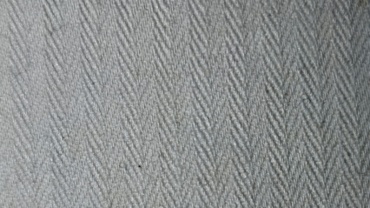
Zig Zag Twill offers potential for studying twill manipulation techniques, pattern innovation, and the evolution of structured, durable textiles in both fashion and functional apparel.
Sample Details:
* Object Title : 3/1 Zig Zag Twill Fabric
* Accession Number: THB W-TWILL 02/2026
* Category : Woven Collection
* Period : 2026
* Region : Asia, Bangladesh
* Material Composition : 100% BCI Cotton
* Weave Construction: 3/1 Twill
* Yarn Count (warp × weft) : 16×12/114×58
* GSM : 290
* Width: 57″-58″
* Dye Type : RFD
* Condition Assessment : Fabric hanger
* Historical Notes : Zig Zag Twill emerged in Europe in the 19th century, inspired by earlier twill and herringbone designs. It became popular in tailored garments, outerwear, and military uniforms for its combination of durability and decorative patterning.
The fabric does not have a recorded single inventor, but its development is attributed to European textile innovation, particularly in countries like the United Kingdom and France, where twill weaving techniques were widely refined.
* Source / Donor : Akij Textile Mills LTD
Available in the Museum’s Library.
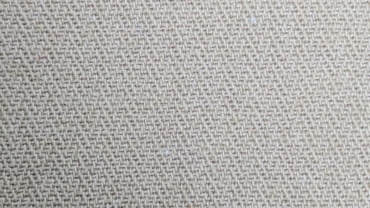
The fabric offers potential for studying twill weave techniques, pattern development, and the evolution of structured, durable textiles.
Sample details:
* Object Title : 2×2 Herringbone Twill Fabric
* Accession Number: THB W-TWILL 01/2026
* Category : Woven Collection
* Period : 2026
* Region : Asia, Bangladesh
* Material Composition : 100% BCI Cotton
* Weave Construction: Twill – Herringbone
* Yarn Count (warp × weft) 20×10/120×60
* GSM : 290
* Width: 57/58″
* Dye Type : Synthetic
* Condition Assessment: Fabric swatch
* Historical Notes : Herringbone Twill originated in Europe in the 19th century and was widely used for tailored menswear, coats, and military uniforms.
* Source / Donor : Akij Textile Mills LTD
