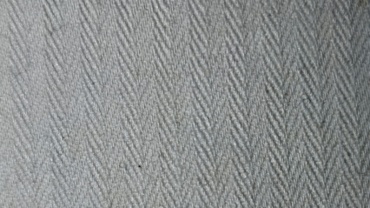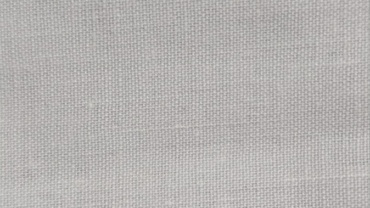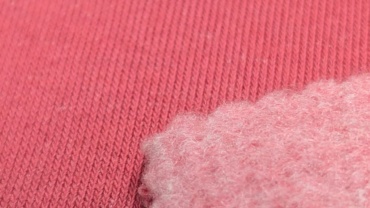

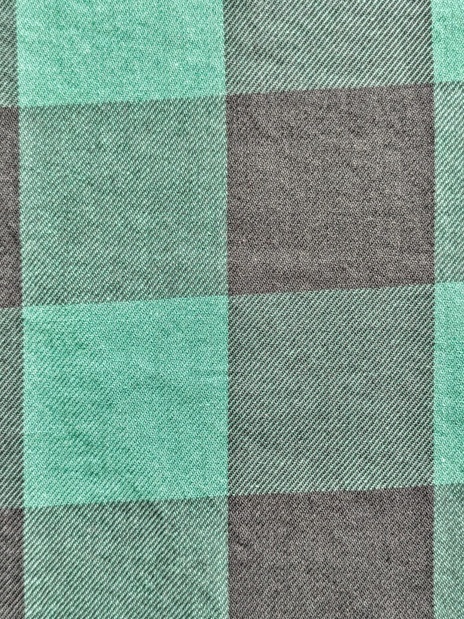
Left-hand twill, also known as Z-twill, is a type of twill weave in which the diagonal line run from the lower right to the upper left of the fabric when viewed from the face side. This directional pattern is created by weaving the weft yarn under and over warp yarns in a sequence that produces a consistent left-slanting wale. The slant influences the fabric’s appearance, drape, and hand feel, while maintaining the inherent strength and durability advantages of twill fabrics.
Z-twill fabrics can be produced from cotton, wool, silk, polyester, or blended fibers, with yarn thickness and density selected according to end use. Fabric weight generally ranges from 150–400 GSM, suitable for denim, gabardine, trousers, jackets, and uniforms. The left-hand diagonal provides excellent wrinkle resistance, abrasion durability, and a subtle textured look, distinguishing it from right-hand (S) twill.
In a museum context, Z-twill demonstrates the impact of weave directionality on textile performance and aesthetics, serving as an essential example for studying twill variations, their technical applications, and visual characteristics in woven fabrics.