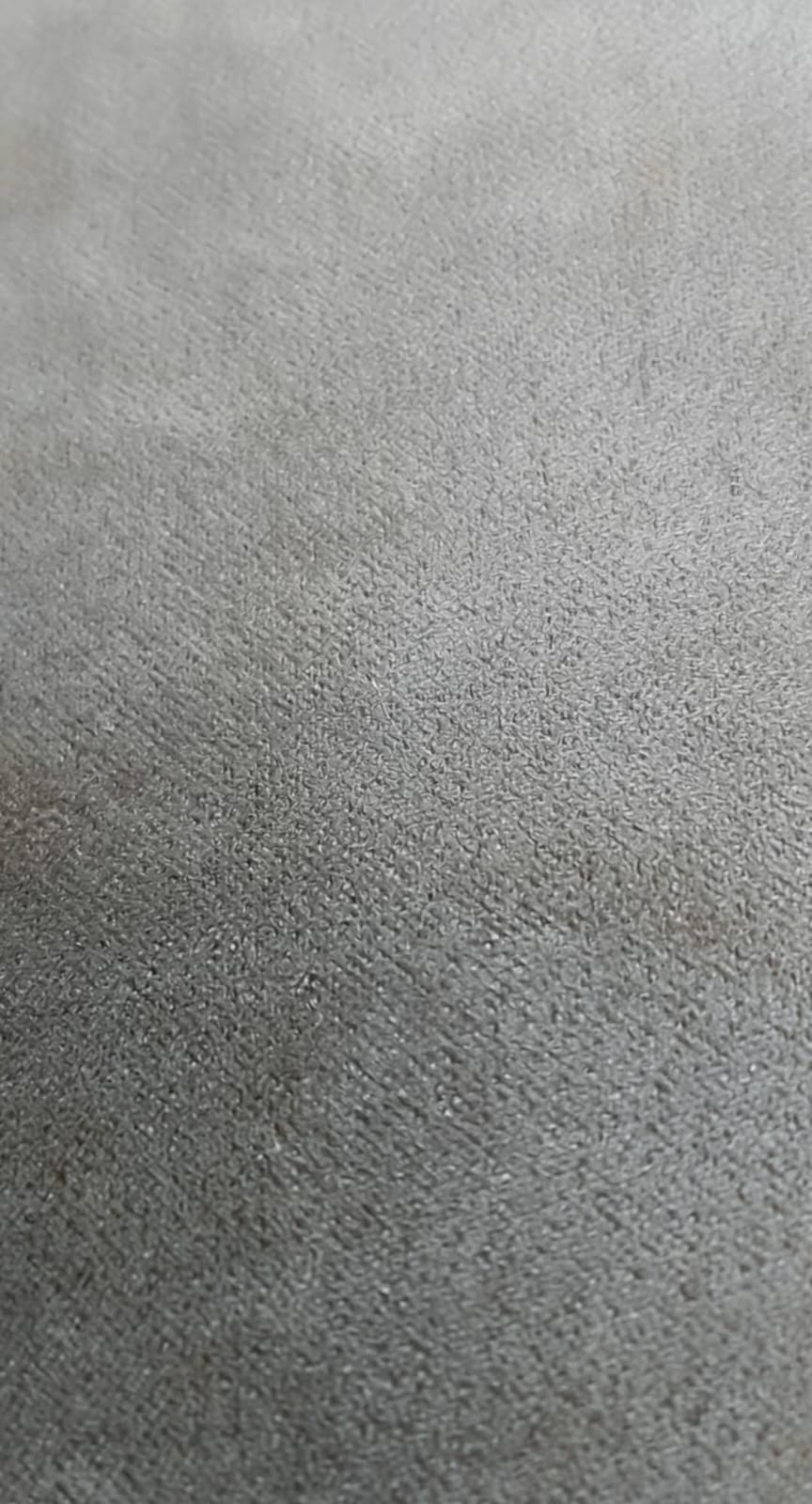
Woven Suede Fabric is a premium woven textile engineered to replicate the soft, velvety appearance and luxurious hand feel of natural suede leather while offering the durability, versatility, and easy maintenance of woven fabrics. Typically produced from fine polyester microfibers, nylon, or blended yarns, it is widely used in fashion apparel, upholstery, and accessories.
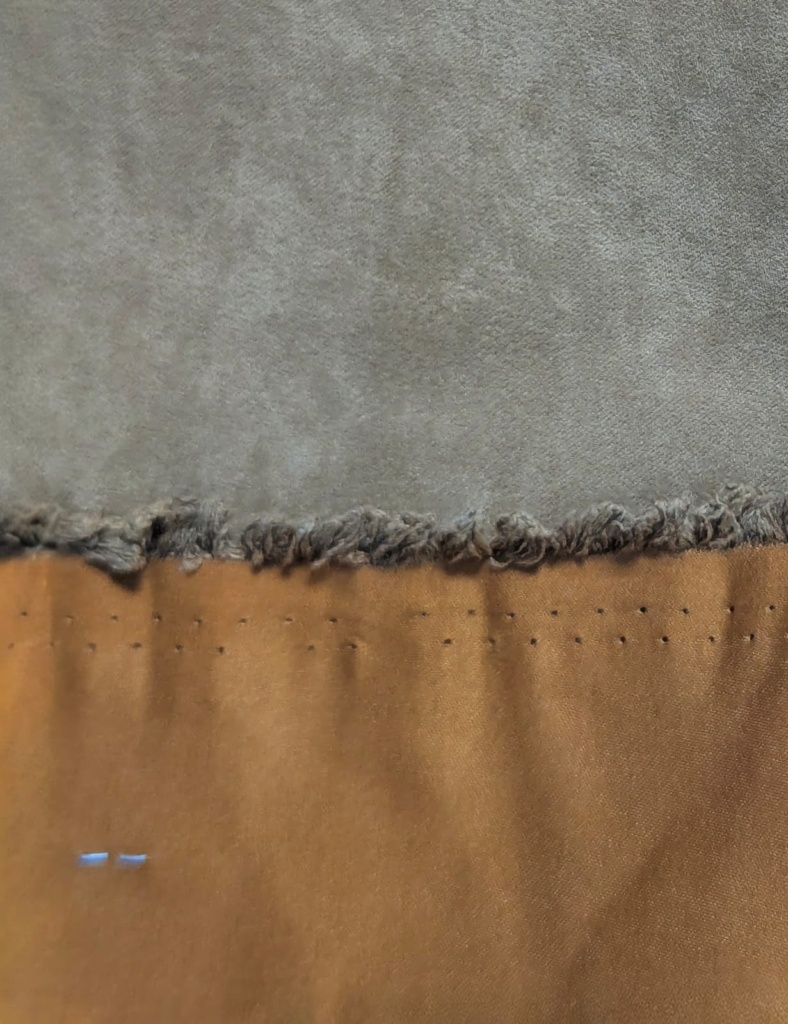
The fabric is constructed using a tightly woven plain, twill, or satin weave and subsequently undergoes brushing, sanding, or peach-finishing processes to raise a fine nap on the surface. This finishing technique creates the characteristic suede-like texture while maintaining the structural stability and strength of a woven fabric. Woven suede generally ranges from lightweight to medium weight, offering excellent dimensional stability, wrinkle resistance, and a smooth yet luxurious appearance.
Woven Suede Fabric has become increasingly popular for jackets, overshirts, trousers, skirts, dresses, handbags, footwear, and home furnishing applications. It combines the elegant aesthetic of genuine suede with improved abrasion resistance, color consistency, and easier care, making it an attractive alternative to animal leather.
The development of microfiber technology during the late 20th century enabled manufacturers to create high-quality synthetic suede fabrics that closely resemble natural suede. Today, woven suede is widely produced across Asia and Europe and is favored by both fashion and interior design industries for its premium appearance, durability, and sustainability.
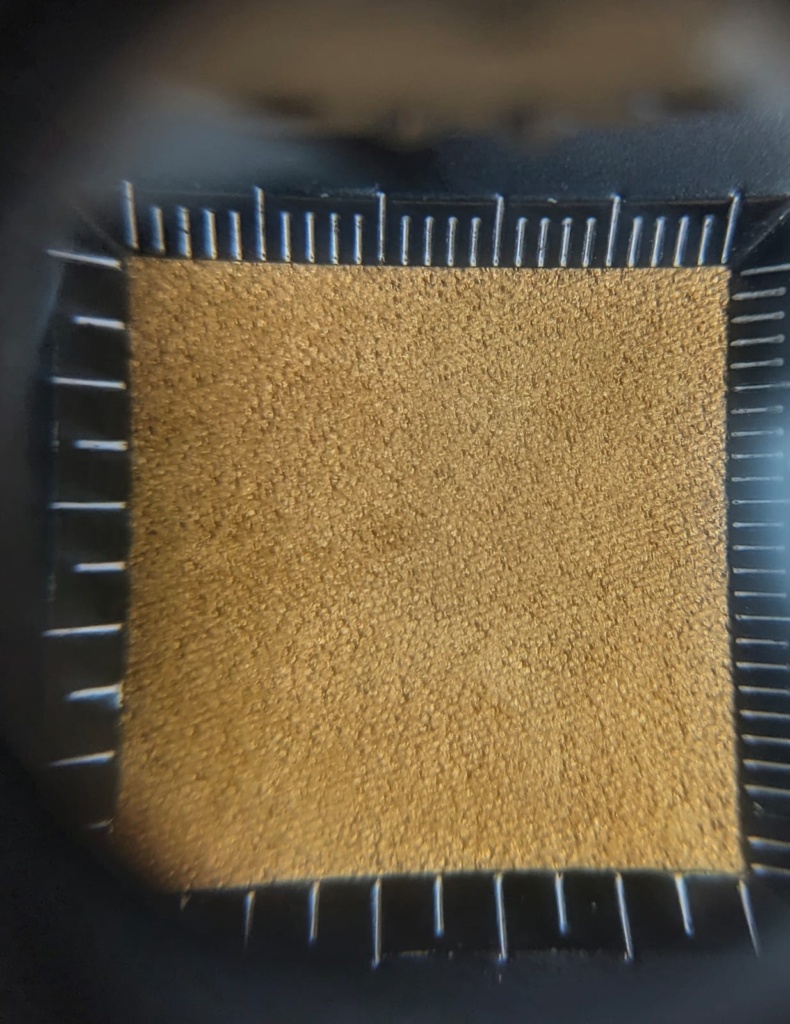
Common finishing treatments include brushing, sanding, peach finish, stain-resistant coatings, water-repellent treatments, anti-static finishes, and softening processes. These finishes enhance the fabric’s luxurious touch, improve wear performance, and extend product longevity while maintaining its characteristic matte appearance.
In a textile museum, Woven Suede Fabric represents the successful integration of advanced fiber engineering, precision weaving, and innovative finishing technologies. It demonstrates how modern textile manufacturing can recreate the beauty and tactile qualities of natural materials while providing enhanced performance, sustainability, and versatility for contemporary applications.