Texheritage Bangladesh - is Bangladesh’s first dedicated, research-based textile museum and digital archive


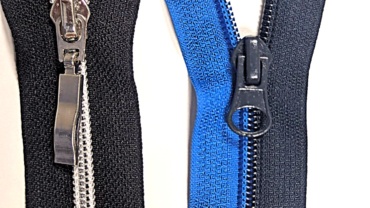
Available in Museum’s Library.
Coil zippers present research opportunities in developing advanced synthetic fibers and recycled polymers to improve flexibility, durability, and environmental sustainability. Further research can explore enhanced coil structures and low-friction slider technologies to improve performance in technical apparel, outdoor gear, and high-frequency-use garments.
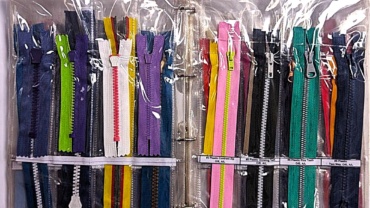
Available in Museum’s Library.
Zippers present research opportunities in developing sustainable materials such as biodegradable polymers and recycled metals to reduce environmental impact in garment production. Further research can also explore advanced functional designs, including waterproof, fire-resistant, and smart zippers integrated with wearable technology for technical and performance textiles.
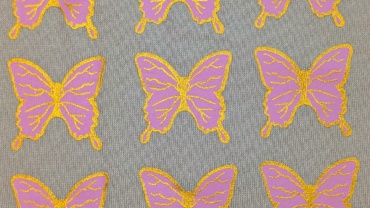
Available in Museum’s Library.
Afsan print presents research opportunities in analyzing the evolution of South Asian printed motifs and their adaptation into modern mass-produced textiles. Further studies can explore sustainable printing technologies, eco-friendly dyes, and digital printing methods to preserve traditional design aesthetics while reducing environmental impact in textile production.
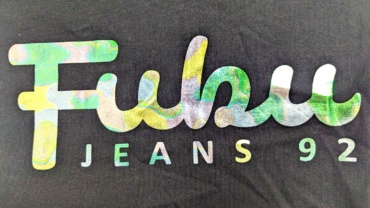
Available in Museum’s Library.
Foil printing offers significant research opportunities in developing eco-friendly adhesives and sustainable metallic foils to reduce environmental impact while maintaining durability and brilliance. Additionally, studying heat-transfer optimization and adhesion on diverse fabrics can expand its applications in performance textiles, luxury fashion, and mixed-media textile art.
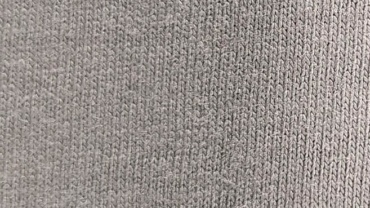
Available in Museum’s Library.
Single Jersey offers research opportunities in stretch optimization, moisture management, and sustainable knit structures, bridging traditional weft-knitting techniques with modern performance fabrics.
Sample Details:
* Object Title : Single Jersey
* Accession Number: THB K-SJ 01/2026
* Category : Knit Collection
* Period : 2026
* Region : Asia, Bangladesh
* Material Composition : 100% Cotton
* Weave Construction: Weft Knit
* Yarn Count (warp × weft) : Need to identify
* GSM : 180
* Width: Available
* Dye Type : Reactive Dye
* Condition Assessment : Fabric swatch
* Historical Notes : Single Jersey emerged in the late 19th century with circular knitting machines in England, initially used for undergarments and lightweight apparel due to its smooth, stretchable texture.
* Source / Donor : SF Fashion
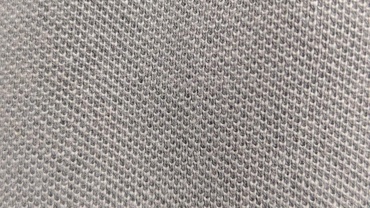
Available in Museum’s Library.
Piqué offers research opportunities in knit/woven texture engineering, moisture management, and durable sportswear applications, bridging traditional pattern design with modern functional performance.
Sample Details:
* Object Title : Piqué Fabric
* Accession Number: THB W-TKF 01/2026
* Category : Knit Collection
* Period : 2026
* Region : Asia, Bangladesh
* Material Composition : 100% Polyester
* Weave Construction: Weft Knit
* Yarn Count (warp × weft) : Need analysis
* GSM : 220
* Width:
* Dye Type : Reactive
* Condition Assessment : Fabric swatch
* Historical Notes : Piqué originated in 18th–19th century France and England, initially used for formal shirts and waistcoats due to its crisp texture and decorative raised patterns.
* Source / Donor : SF Fashion
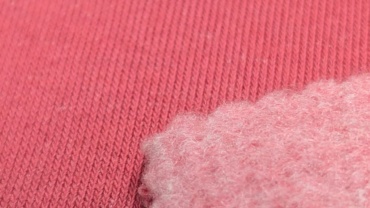
Available in Museum’s Library.
Fleece fabric offers research opportunities in thermal insulation, moisture management, and sustainable synthetic fiber innovations, bridging comfort and performance. Its evolution from natural wool to engineered polyester knits provides insights into material science, textile engineering, and eco-friendly fabric development.
Sample Details:
* Object Title : Fleece Fabric
* Accession Number: THB K-Fleece 01/2026
* Category : Knit Collection
* Period : 2026
* Region : Asia, Bangladesh
* Material Composition : 100% Cotton
* Weave Construction: Fleece one side brush
* Yarn Count (warp × weft) : Need to identify
* GSM : 355
* Width: Available
* Dye Type : Reactive Dye
* Condition Assessment : Fabric swatch
* Historical Notes : Fleece was developed in the 1970s by Malden Mills in the USA as a lightweight, warm, and synthetic alternative to wool. Since then, it has become a staple in outdoor, sports, and casual apparel due to its soft texture, insulating properties, and ease of care.
* Source / Donor : SF Fashion
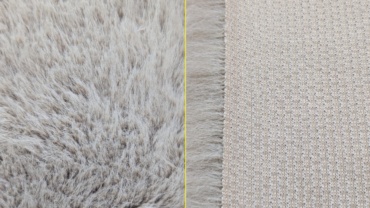
Available in Museum’s Library.
Sherpa fabric offers research opportunities in thermal insulation, sustainable synthetic blends, and performance-enhancing finishes, bridging traditional textile inspiration with modern functional innovation. Its evolution from natural sheepskin to high-tech fleece provides a case study in cultural heritage influencing contemporary material science.
Sample Details:
* Object Title : Sherpa Fabric
* Accession Number: THB W-TKF 01/2026
* Category : Knit Collection
* Period : 2026
* Region : Asia, Bangladesh
* Material Composition : 100% Polyester
* Weave Construction: Faux Fur
* Yarn Count (warp × weft) : 40-60 mm- Long & Short hair
* GSM : 1380
* Width: 59″
* Dye Type : Synthetic
* Condition Assessment : Fabric swatch
* Historical Notes : Sherpa fabric originated from the traditional wool garments of the Himalayan Sherpa people, used for warmth since at least the 15th century. Its modern synthetic version emerged in the 1950s–60s, replicating natural fleece for lightweight, insulating apparel.
* Source / Donor : SIXIANG TEXTILE (CHINA)
Available in Museum’s Library.
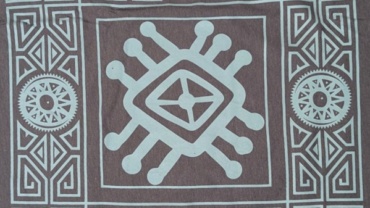
Screen printing offers research potential in ink rheology, mesh count optimization, and curing parameter control to enhance color vibrancy, adhesion strength, wash fastness, and production efficiency across different fabric compositions. It also enables investigation into eco-friendly ink systems, water reduction strategies, energy-efficient curing technologies, and automation integration to support sustainable and high-value textile manufacturing.
Available in Museum’s Library.
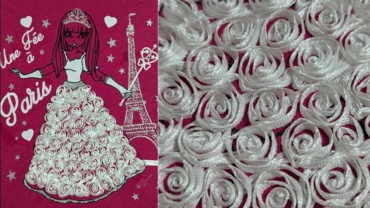
Ribbon embroidery offers research potential in ribbon material selection, stitch techniques, and dimensional stability to improve motif durability, wash resistance, and visual effect. It also allows exploration of innovative ribbon types, eco-friendly fibers, hybrid hand-machine techniques, and automated embroidery adaptation for high-value fashion and home textile applications.
Available in Museum’s Library.
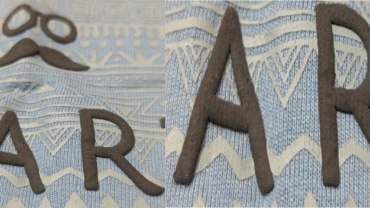
Puff printing presents research potential in ink formulation, heat-curing optimization, and expansion control to achieve consistent height, durability, and wash fastness on different fabrics. It also allows exploration of multi-layered 3D effects, eco-friendly puff inks, and combination with other surface techniques for value-added apparel and promotional textiles.
Available in Museum’s Library.
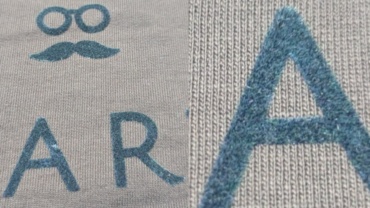
Flock printing offers research potential in fiber type, adhesive formulation, and application methods to enhance fiber adhesion, durability, and wash fastness on different fabrics. It also allows exploration of sustainable fibers, low-impact adhesives, electrostatic vs. mechanical flocking efficiency, and high-resolution patterning for value-added apparel and home textiles.
