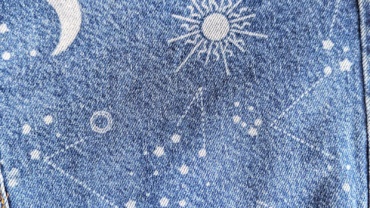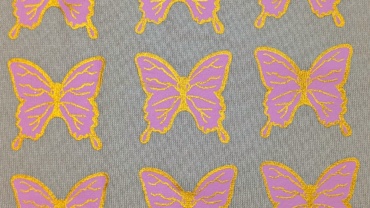

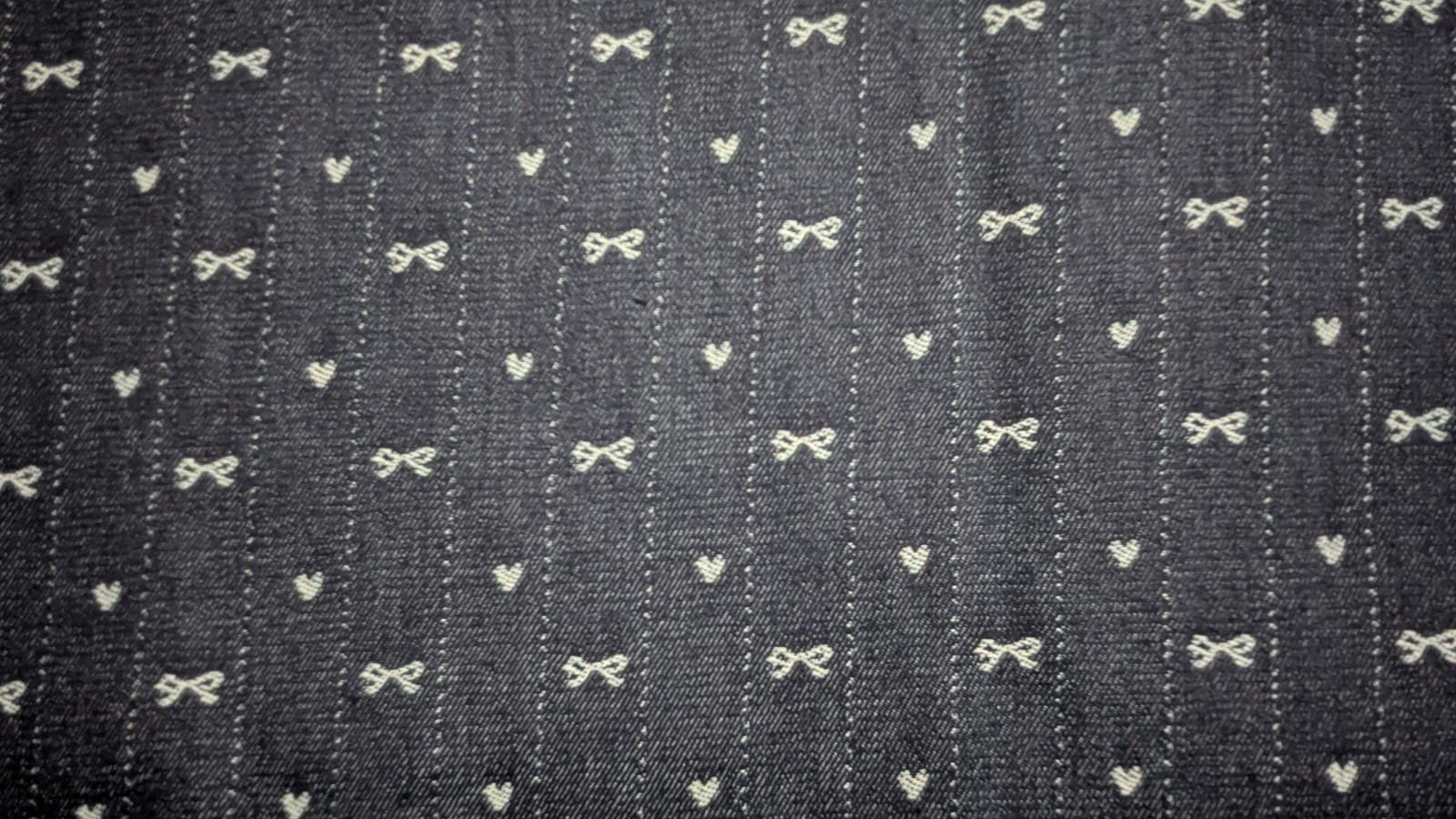
Jacquard Denim is a woven denim fabric in which patterns, motifs, or textured effects are engineered directly into the fabric structure through Jacquard-controlled warp yarns. Unlike printed or embroidered denim, the design is formed through variations in warp lifting, weave structure, yarn arrangement, and interlacement.
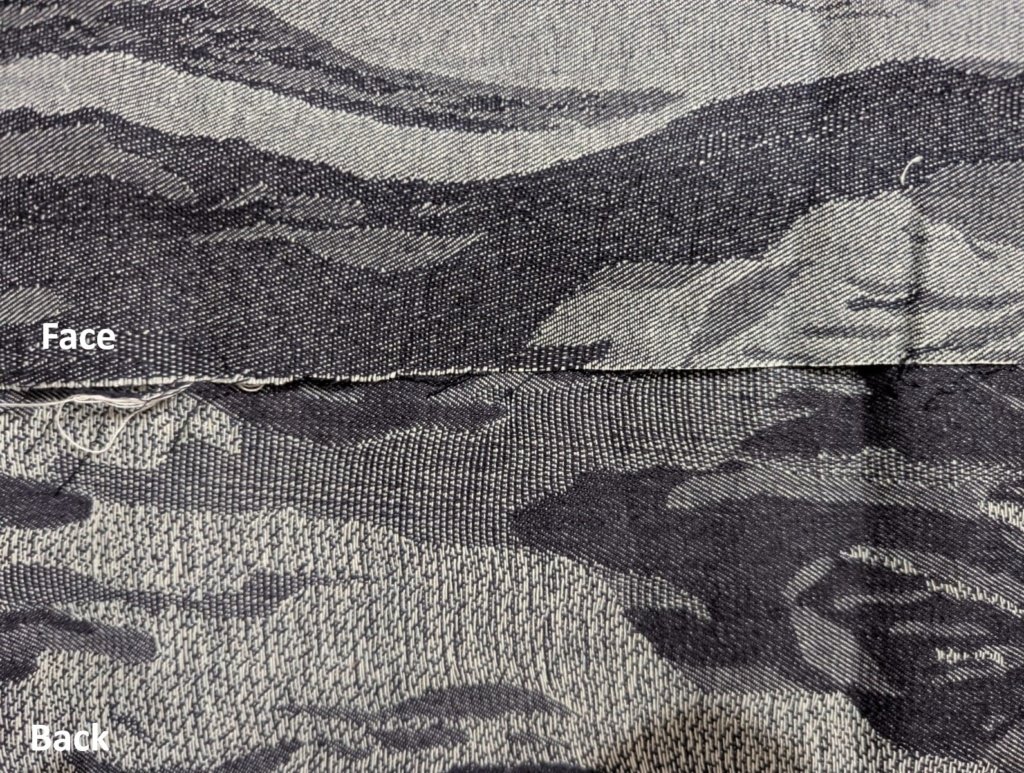
The fabric is commonly constructed with indigo-dyed cotton warp yarns and natural or dyed weft yarns, using twill or modified twill constructions. The Jacquard mechanism provides individual control of selected warp ends, allowing complex repeat designs, geometric patterns, logos, and textured surfaces to be developed within the fabric.
Key technical parameters include warp and weft yarn count, EPI/PPI, fabric GSM, weave repeat, warp density, weft density, yarn composition, and pattern repeat size. Different float lengths and weave structures can create variations in surface texture, opacity, abrasion behavior, and visual contrast.
After weaving, Jacquard Denim may undergo desizing, enzyme washing, stone washing, softening, sanforization, laser treatment, ozone treatment, or resin finishing, depending on the required appearance and performance. Washing can emphasize the difference between raised and recessed areas of the woven pattern.
Jacquard Denim is used in jeans, jackets, shirts, outerwear, workwear, bags, and fashion accessories, particularly where fabric construction itself contributes to the product’s design identity.
From a textile engineering perspective, Jacquard Denim demonstrates the integration of yarn engineering, weave design, electronic/mechanical Jacquard control, fabric construction, and denim finishing technology.