Skip to content Skip to footer

Jacquard Denim

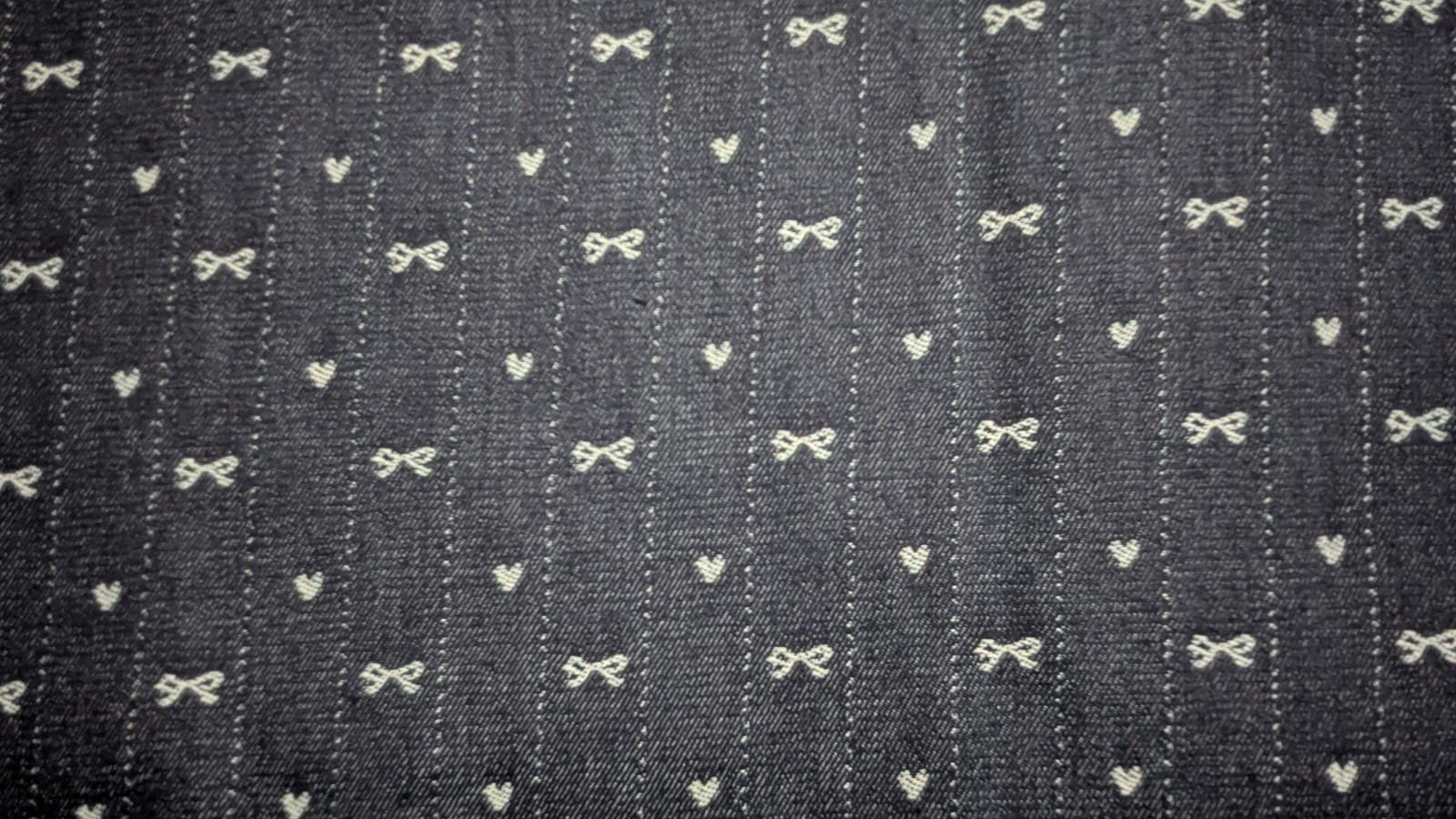
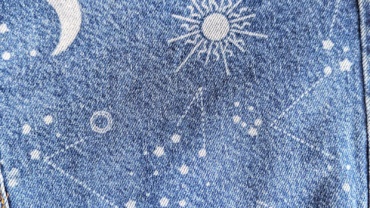
Jacquard Denim is a woven denim fabric in which patterns, motifs, or textured effects are engineered directly into the fabric structure through Jacquard-controlled warp yarns. Unlike printed or embroidered denim, the design is formed through variations in warp lifting, weave structure, yarn arrangement, and interlacement.
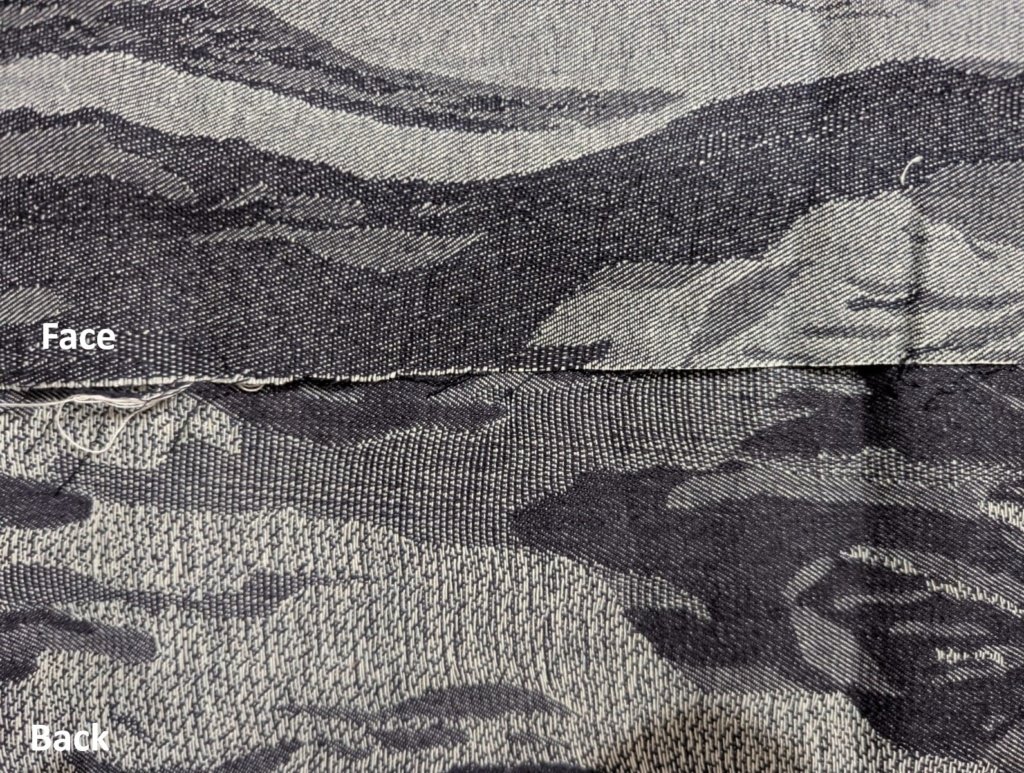
The fabric is commonly constructed with indigo-dyed cotton warp yarns and natural or dyed weft yarns, using twill or modified twill constructions. The Jacquard mechanism provides individual control of selected warp ends, allowing complex repeat designs, geometric patterns, logos, and textured surfaces to be developed within the fabric.

Key technical parameters include warp and weft yarn count, EPI/PPI, fabric GSM, weave repeat, warp density, weft density, yarn composition, and pattern repeat size. Different float lengths and weave structures can create variations in surface texture, opacity, abrasion behavior, and visual contrast.

After weaving, Jacquard Denim may undergo desizing, enzyme washing, stone washing, softening, sanforization, laser treatment, ozone treatment, or resin finishing, depending on the required appearance and performance. Washing can emphasize the difference between raised and recessed areas of the woven pattern.

Jacquard Denim is used in jeans, jackets, shirts, outerwear, workwear, bags, and fashion accessories, particularly where fabric construction itself contributes to the product’s design identity.

From a textile engineering perspective, Jacquard Denim demonstrates the integration of yarn engineering, weave design, electronic/mechanical Jacquard control, fabric construction, and denim finishing technology.
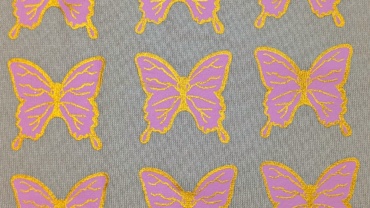
Jacquard Denim

Available in Museum’s Library

Research opportunities include investigating Jacquard weaving technology, engineered denim structures, complex weave repeats, yarn-dyed pattern development, indigo and colored yarn combinations, and three-dimensional surface effects. Further research can explore the relationship between weave construction and fabric performance, including abrasion resistance, dimensional stability, comfort, pattern definition, and the effect of washing and finishing on Jacquard structures.

Sample Details:
* Object Title: Jacquard Denim Fabric
* Accession Number: THB W-Denim 03/2026
* Category: Woven Collection – Denim
* Period: 2026
* Region: Asia, CHINA
* Material Composition: 100% Cotton
* Weave Construction: Jacquard / Patterned Twill
* Yarn Count (warp × weft): To be documented from sample
* GSM: 390
* Width: 60″
* Dye Type: Indigo / Yarn Dyed
* Warp: Indigo-dyed yarn
* Weft: Undyed / Dyed yarn
* Condition Assessment: Fabric Hanger
* Historical Notes: Jacquard Denim combines traditional denim construction with Jacquard weaving technology, allowing complex motifs, geometric patterns, logos, and textured effects to be formed directly within the fabric structure. Unlike printed designs, the pattern is created through controlled warp lifting and different yarn interlacements. The development demonstrates the evolution of denim from a conventional functional twill into an engineered and decorative textile. Modern Jacquard Denim is used in jeanswear, jackets, shirts, outerwear, accessories, and lifestyle products, reflecting continuing innovation in denim design and fabric construction.

* Source: Crossline Sourcing House

Year2026AuthorTexheritage BangladeshShare

Leave a comment