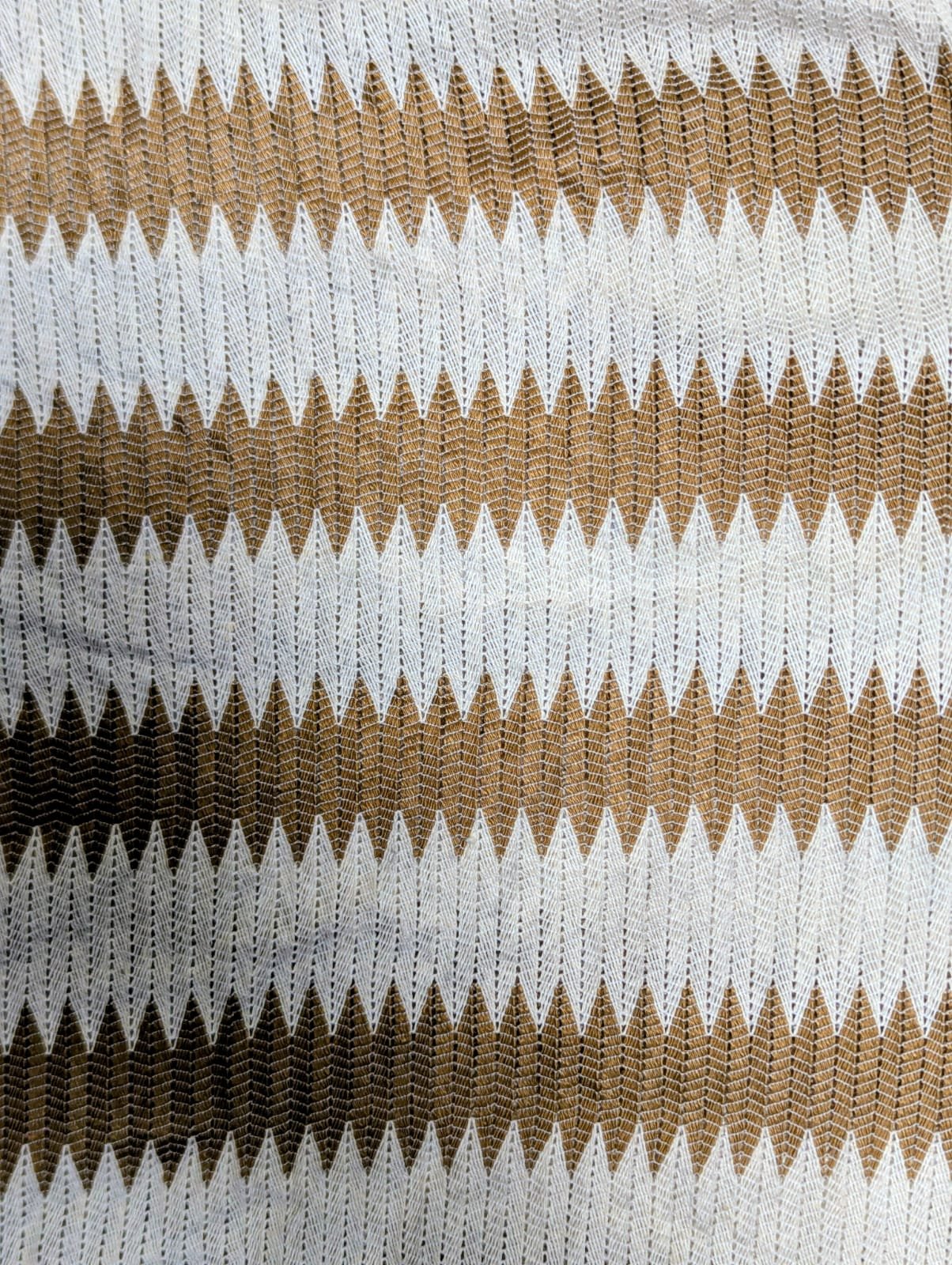
Crochet fabric is a textile structure created by interlocking loops of yarn using a crochet hook or specialized crochet machinery. Unlike conventional woven fabrics, which are formed by interlacing warp and weft yarns, crochet is constructed through a series of interconnected loops that can create openwork, lace-like, textured, or dense surfaces.
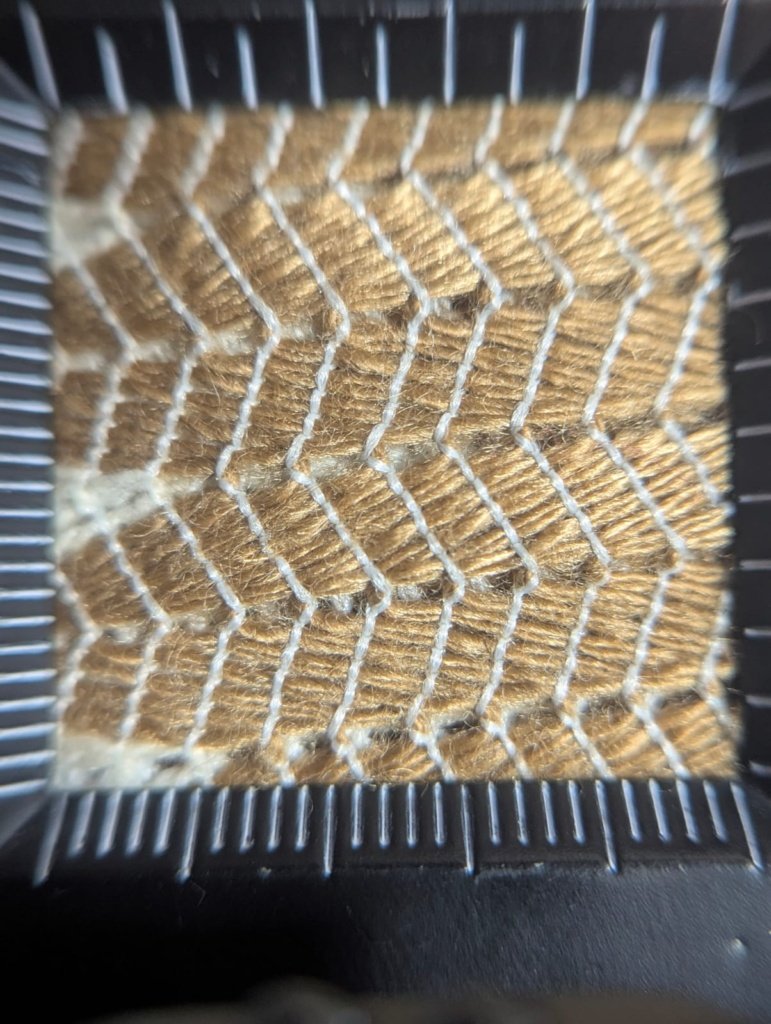
Crochet can be produced from a wide range of fibers, including cotton, linen, wool, acrylic, viscose, polyester, and blended yarns. Cotton crochet is particularly valued for its breathability, natural handfeel, and suitability for warm-weather apparel. The final character of the fabric depends strongly on yarn count, yarn twist, stitch type, loop density, and construction technique.
The structure of crochet fabric is based on individual stitches and interconnected loops. Common stitch formations include chain stitch, single crochet, double crochet, treble crochet, shell stitch, and cluster stitch. By combining different stitches and varying their density, artisans and manufacturers can create intricate geometric patterns, floral motifs, open meshes, raised textures, and three-dimensional surfaces.
Crochet fabric is generally characterized by high visual texture, flexibility, good air permeability, and distinctive handcrafted appearance. Open crochet constructions provide excellent ventilation and a lightweight feel, while tighter constructions can offer greater coverage and dimensional stability. Because the fabric is loop-based, its stretch and recovery can vary significantly according to the yarn and stitch construction.
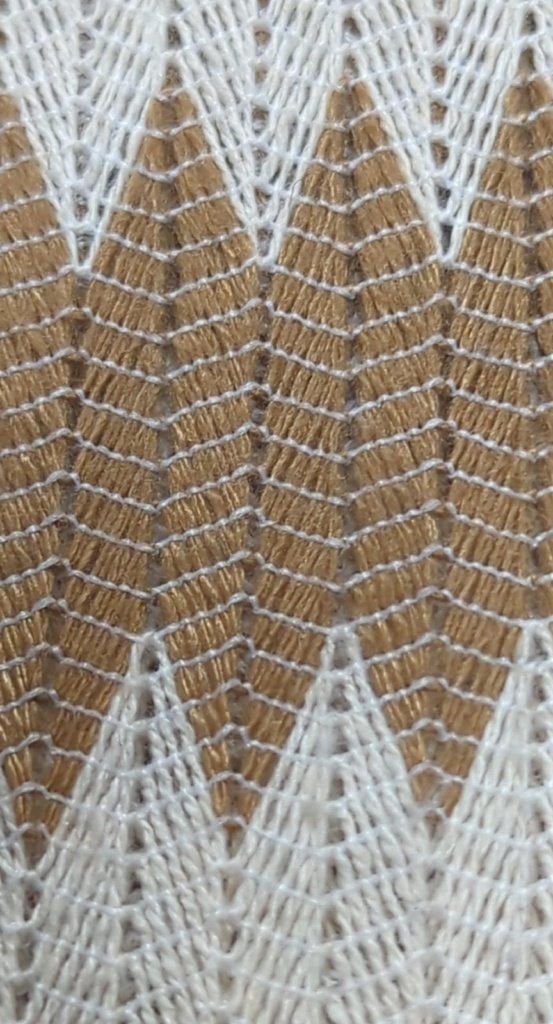
Crochet has a long history as a handcrafted textile technique, with its development and popularization closely associated with European and later global textile traditions. Over time, crochet moved from domestic handicraft into commercial fashion and textile production. Today, both hand-crocheted and machine-produced crochet fabrics are used in contemporary apparel and home-textile applications.
Common finishing and processing methods include washing, softening, dyeing, bleaching, garment dyeing, and blocking. Blocking is particularly important for handcrafted crochet because it helps establish the desired dimensions, shape, and pattern definition.
Crochet fabric is widely used for tops, dresses, skirts, cardigans, sweaters, beachwear, cover-ups, accessories, bags, and decorative home textiles. In contemporary fashion, crochet is especially associated with summer collections, resortwear, artisanal fashion, bohemian aesthetics, and handcrafted luxury.
From a textile museum perspective, crochet is significant because it demonstrates how loop formation, yarn manipulation, pattern development, and craftsmanship can transform a simple yarn into a highly decorative textile structure. It represents the connection between traditional handcraft and modern fashion, while preserving valuable knowledge of textile-making techniques passed through generations.