Texheritage Bangladesh - is Bangladesh’s first dedicated, research-based textile museum and digital archive


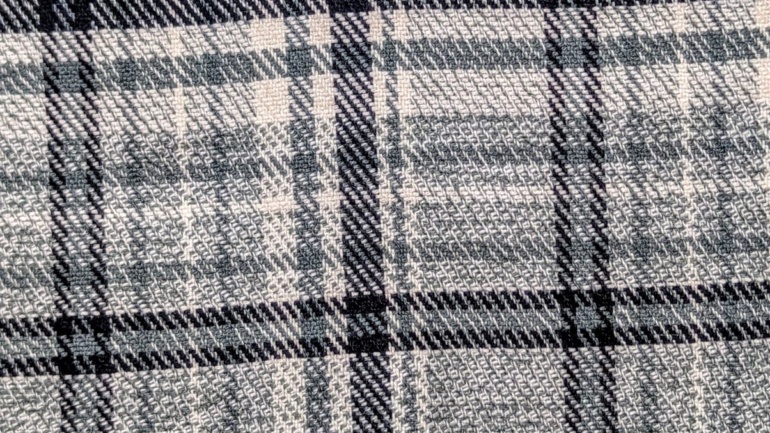
Available in the Museum’s Library.
Research on S-Twill can explore how twill direction, yarn count, and fiber blends influence strength, drape, and abrasion resistance. Further study may focus on sustainable fibers, advanced finishes, and performance optimization for modern apparel and technical textiles.
Sample Details:
* Object Title : Right-Hand Twill (S-Twill)
* Accession Number: THB W-TWILL 04/2026
* Category : Woven Collection
* Period : 2026
* Region : Asia, Bangladesh
* Material Composition : 100% BCI Cotton
* Weave Construction: 2×2 S-Twill
* Yarn Count (warp × weft) : 42×30/(16/2+16/2G)x(16/2+16/2G)
* GSM : 238
* Width: 57″
* Dye Type : Synthetic – Yarn Dyed
* Condition Assessment : Fabric swatch
* Historical Notes : S-Twill does not have a single inventor; it evolved naturally as part of traditional weaving techniques, with usage tracing back to ancient textile production (circa 3000–2000 BCE) in Egypt and Asia.
Right-Hand Twill (S-Twill) has been used for centuries in Europe and Asia for denim, gabardine, and suiting fabrics, valued for its durability, drape, and subtle diagonal texture. It reflects early innovations in weave direction to enhance both aesthetics and performance.
* Source / Donor : Paramount Textile
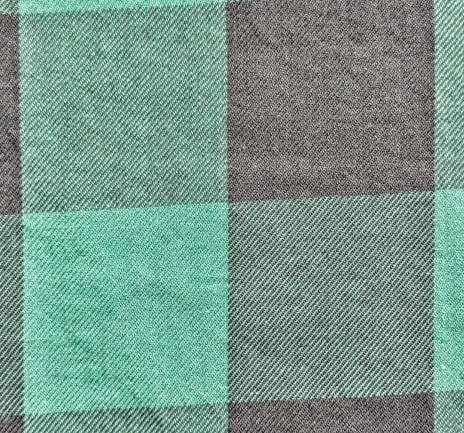
Available in the Museum’s Library.
The research opportunity for Left-Hand Twill (Z-Twill) includes studying how twill direction and yarn count influence fabric strength, drape, and abrasion resistance. Further exploration can focus on optimizing fiber blends, finishes, and weave variations for modern apparel and technical textile applications.
Sample Details:
* Object Title : Left-Hand Twill (Z-Twill)
* Accession Number: THB W-TWILL 03/2026
* Category : Woven Collection
* Period : 2026
* Region : Asia, Bangladesh
* Material Composition : 70% BCI Cotton 30% Recycle Cotton (Pre)
* Weave Construction: 2×2 Z-Twill
* Yarn Count (warp × weft) : 16×21/66×60
* GSM : 174
* Width: 57″
* Dye Type : Synthetic – Yarn Dyed
* Condition Assessment : Fabric swatch
* Historical Notes : Left-Hand Twill does not have a single inventor and emerged as a natural development in traditional weaving techniques. Twill weaves, including left-hand (Z-twill) and right-hand (S-twill), have been used since ancient times, dating back to early Egyptian and Asian textile practices (circa 3000–2000 BCE) for durable and decorative fabrics.
It is a weave structure innovation rather than a patented invention, evolving through centuries of practical and aesthetic textile development.
* Source / Donor : Zaber & Zubair Fabrics
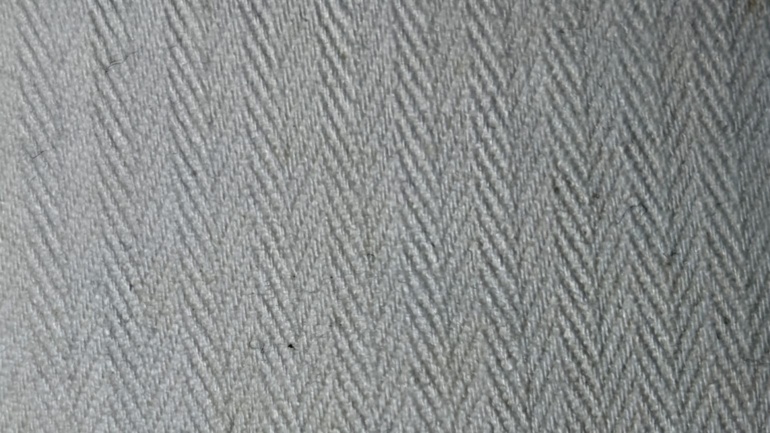
Available in Museum’s Library.
Zig Zag Twill offers potential for studying twill manipulation techniques, pattern innovation, and the evolution of structured, durable textiles in both fashion and functional apparel.
Sample Details:
* Object Title : 3/1 Zig Zag Twill Fabric
* Accession Number: THB W-TWILL 02/2026
* Category : Woven Collection
* Period : 2026
* Region : Asia, Bangladesh
* Material Composition : 100% BCI Cotton
* Weave Construction: 3/1 Twill
* Yarn Count (warp × weft) : 16×12/114×58
* GSM : 290
* Width: 57″-58″
* Dye Type : RFD
* Condition Assessment : Fabric hanger
* Historical Notes : Zig Zag Twill emerged in Europe in the 19th century, inspired by earlier twill and herringbone designs. It became popular in tailored garments, outerwear, and military uniforms for its combination of durability and decorative patterning.
The fabric does not have a recorded single inventor, but its development is attributed to European textile innovation, particularly in countries like the United Kingdom and France, where twill weaving techniques were widely refined.
* Source / Donor : Akij Textile Mills LTD
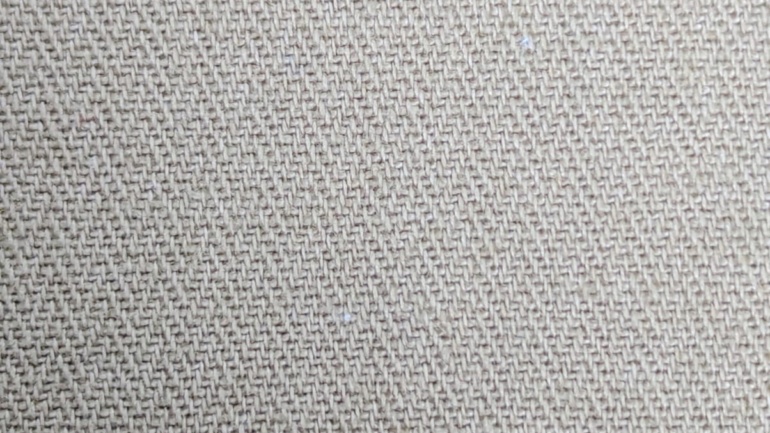
Available in the Museum’s Library.
The fabric offers potential for studying twill weave techniques, pattern development, and the evolution of structured, durable textiles.
Sample details:
* Object Title : 2×2 Herringbone Twill Fabric
* Accession Number: THB W-TWILL 01/2026
* Category : Woven Collection
* Period : 2026
* Region : Asia, Bangladesh
* Material Composition : 100% BCI Cotton
* Weave Construction: Twill – Herringbone
* Yarn Count (warp × weft) 20×10/120×60
* GSM : 290
* Width: 57/58″
* Dye Type : Synthetic
* Condition Assessment: Fabric swatch
* Historical Notes : Herringbone Twill originated in Europe in the 19th century and was widely used for tailored menswear, coats, and military uniforms.
* Source / Donor : Akij Textile Mills LTD
