
Percale is a finely woven plain-weave fabric, celebrated for its crisp texture, smooth finish, and durable structure. Traditionally made from cotton, linen, or cotton blends, percale is distinguished by a high thread count—typically 180–400 threads per square inch—which gives it a firm hand, even surface, and matte appearance. Unlike satin weaves, percale is flat and matte, providing a cool, breathable, and lightweight fabric that maintains durability over time.
The term “percale” is believed to have originated from the Persian word pargālah, meaning “rag” or “cloth,” and the fabric became widely known in Europe during the 18th century. Initially produced in India and later exported to France and England, percale was prized for its fine quality, crispness, and suitability for both apparel and household textiles. By the 19th century, it had become a standard choice for bed linens, shirts, and summer garments.
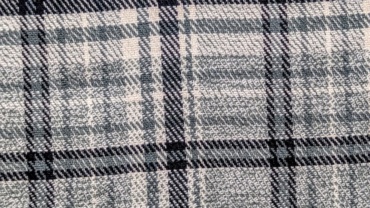
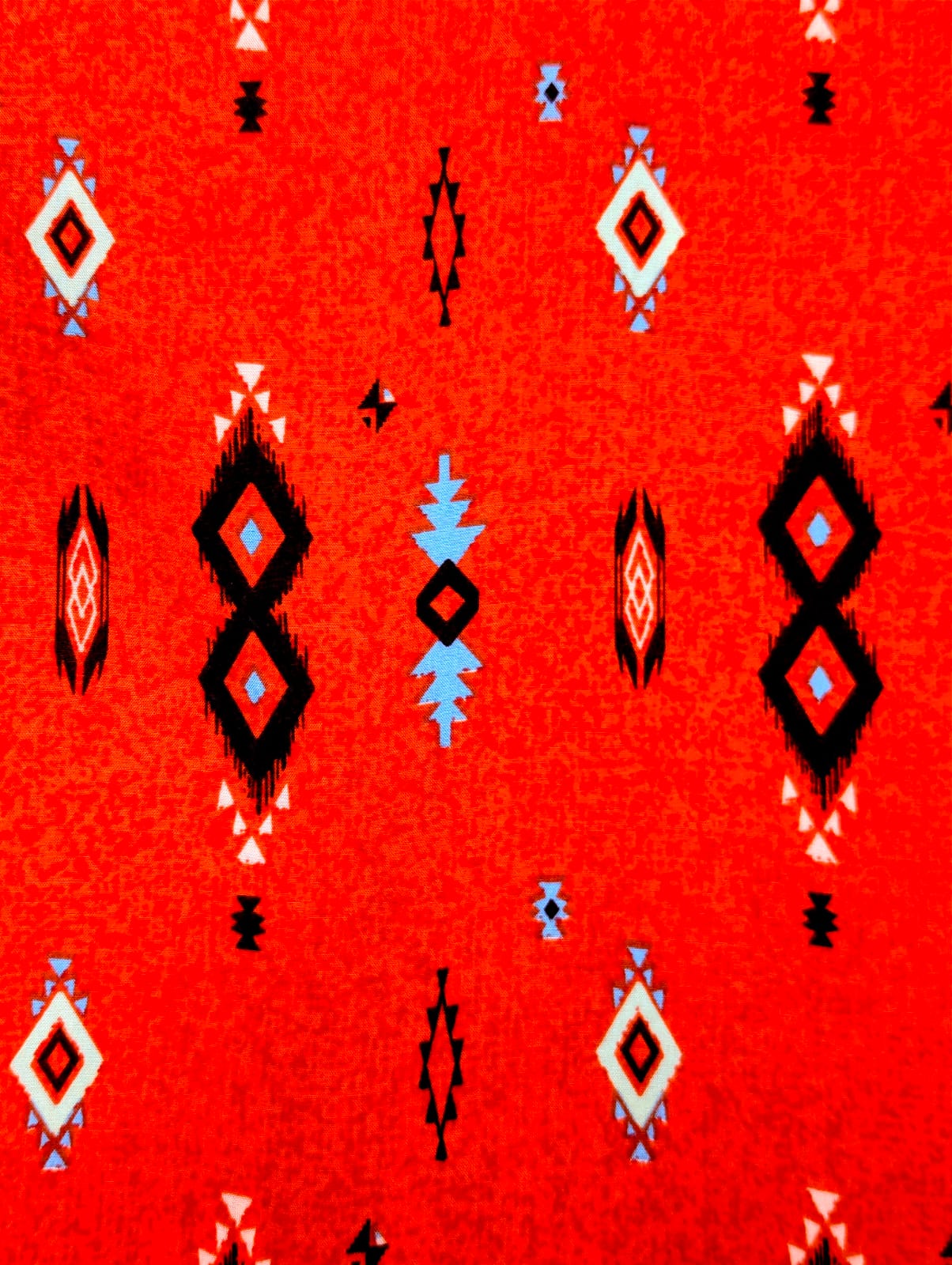
Percale is made using a 1/1 plain weave, with evenly sized warp and weft yarns. It is lightweight to medium weight, generally 120–180 GSM, with excellent dimensional stability and minimal pilling. The fabric can be dyed uniformly and produced in both solid colors and printed designs due to its balanced weave structure.
Techniques such as bleaching, mercerization, calendaring, and sanforization are applied to enhance smoothness, luster, and shrink resistance, ensuring long-lasting quality.
Percale remains widely used for bed linens, pillowcases, shirts, uniforms, and summer dresses. Its crisp hand, breathability, and longevity make it a versatile fabric in both apparel and home textiles.
In a textile museum, percale illustrates how weave density, yarn selection, and finishing techniques converge to create a refined, high-quality plain-weave fabric with historical significance and enduring utility.