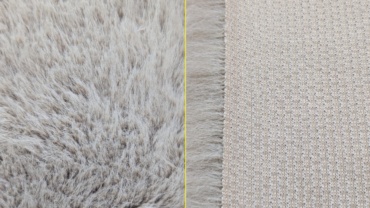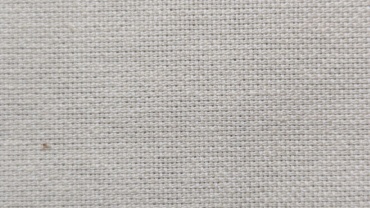


Foil printing is a decorative textile technique in which a thin metallic or pigment-coated film is thermally bonded to fabric using a printed adhesive layer. Unlike conventional pigment printing, which deposits color directly on the fabric, foil printing produces a reflective, lustrous surface that enhances visual impact and adds a tactile dimension. It is widely used in fashion apparel, performance wear, home textiles, and accessories to create high-visibility, ornamental designs.
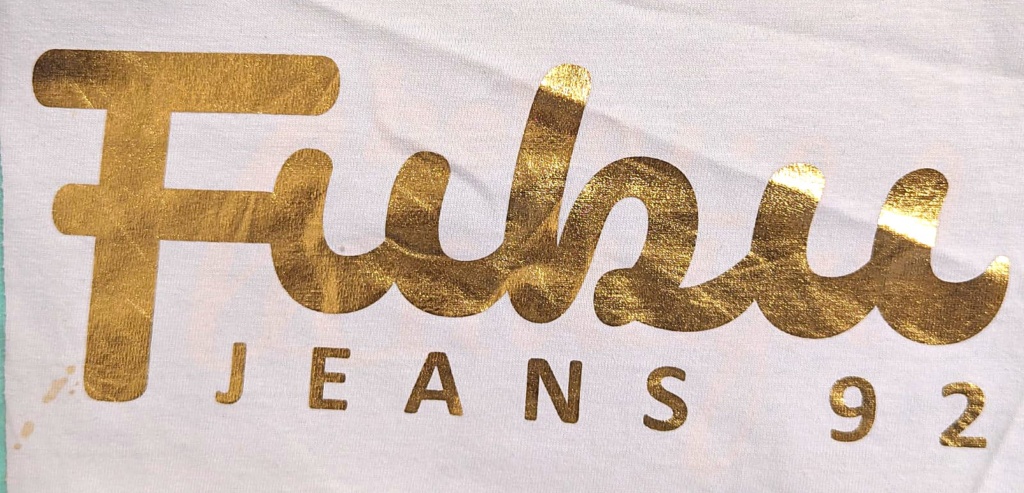
Historically, the use of metallic decoration on textiles dates back thousands of years. Ancient civilizations, including Egyptians, Persians, and Romans, applied gold and silver threads or metal leaf to garments to indicate wealth and status. In Europe during the Renaissance, woven metallic brocades became popular in high fashion, while Asian artisans developed gold leaf and foil techniques for ceremonial textiles. The modern foil printing process evolved in the late 20th century with the advent of synthetic adhesives, heat-transfer foils, and industrial printing technology, allowing scalable, precise application of metallic designs on various fabric types.

The foil printing process involves several stages: adhesive application, where a specially formulated glue is printed in the desired motif; pre-drying or flash curing to achieve optimal tack; foil transfer, in which a foil sheet (metallic or pigmented) is heat-pressed onto the adhesive-coated area; and peeling, leaving a smooth, reflective design bonded to the textile. Key technical parameters include transfer temperature (150–180°C), dwell time, pressure, and fabric type. Smooth fabrics such as cotton, cotton blends, polyester blends, fleece, and coated synthetics yield the best results.
In museum collections and textile education, foil printing illustrates the evolution from traditional metallic embellishments to modern surface engineering. It highlights the integration of chemistry, heat transfer, and design aesthetics, bridging historic techniques such as gold leaf and brocade with contemporary industrial textile decoration. This makes foil printing both a visually striking and historically significant technique in textile artistry.