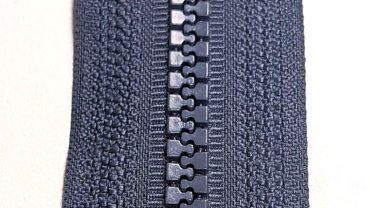

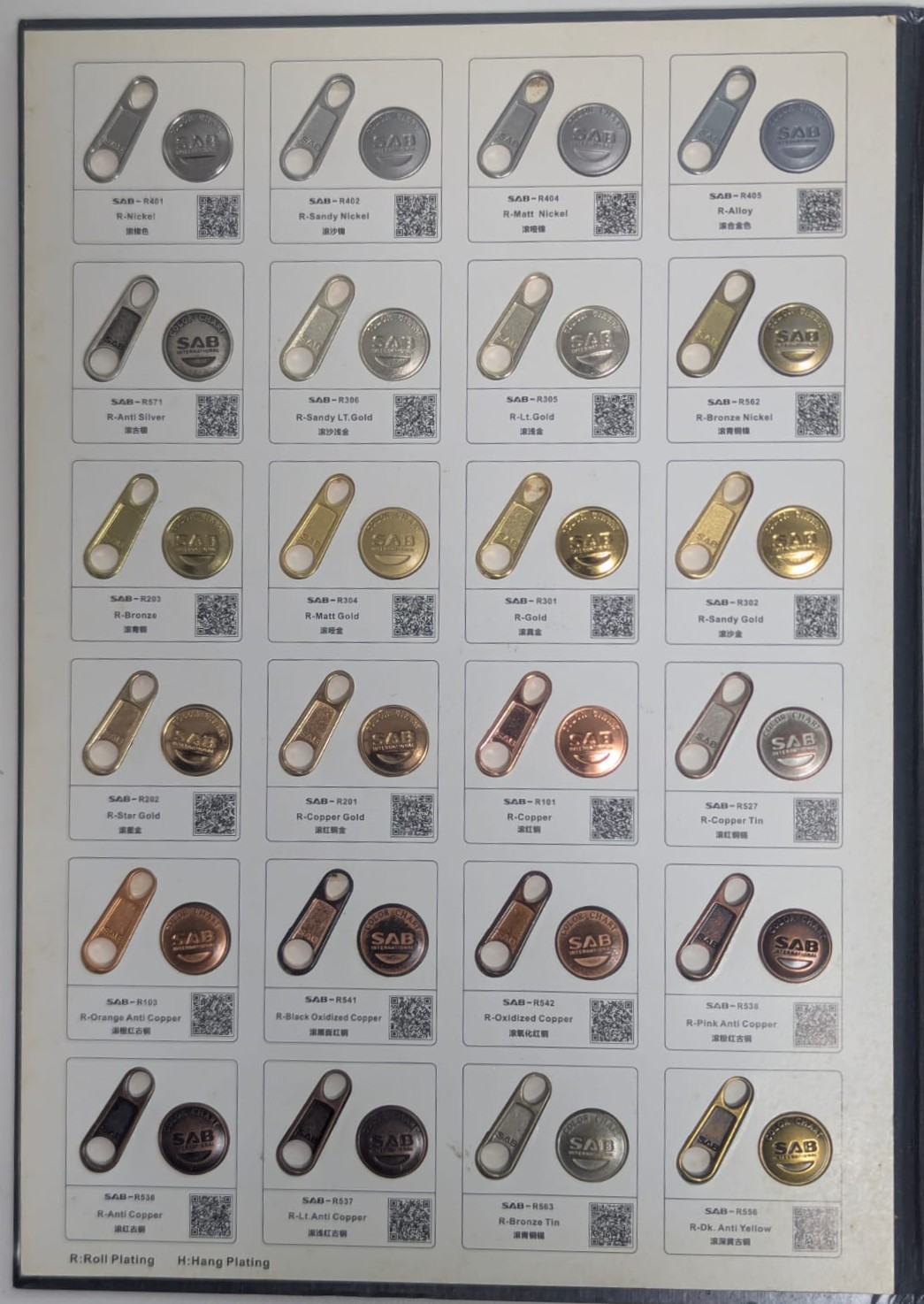
The Electrolyte Finishing Swatch Card Collection at Texheritage Bangladesh Museum documents the industrial evolution of metallic surface finishing used in apparel accessories such as zipper sliders, buttons, rivets, snap fasteners, and decorative trims.
This collection represents a critical intersection between textile engineering, electrochemical surface science, and industrial design, capturing how functional components in garments are transformed through advanced finishing technologies.
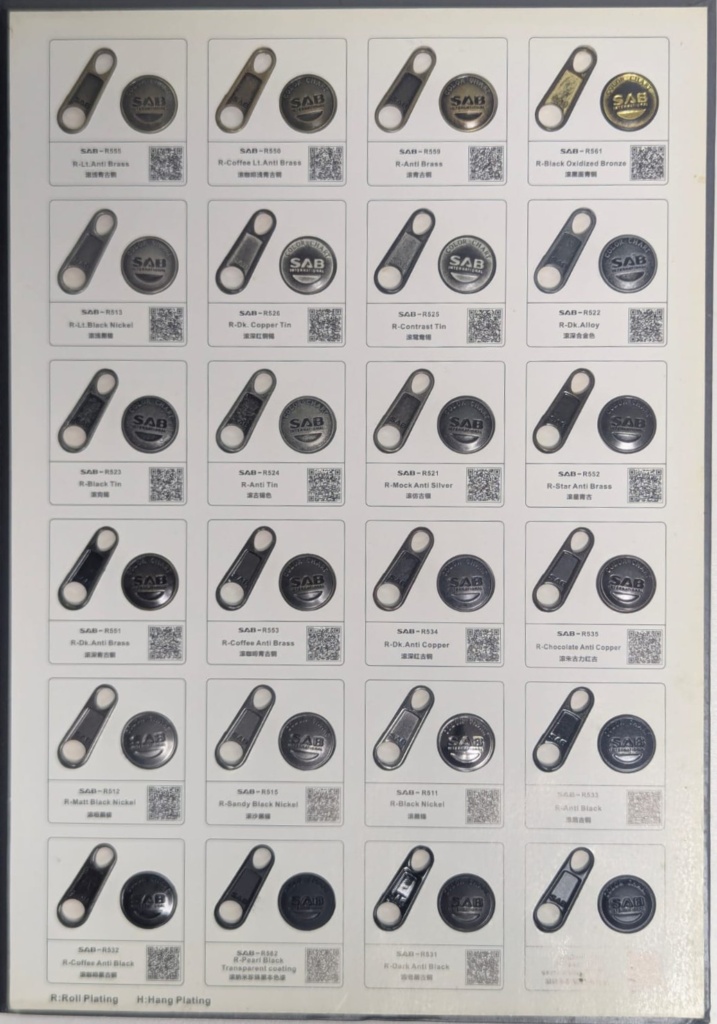
Overview of the Collection
The swatch card includes a wide range of electroplated finishes commonly used in global apparel manufacturing, including:
- Anti Brass Finish
- Black Nickel Finish
- Copper Tin Finish
- Oxidized Bronze Finish
- Matte Nickel Finish
- Coffee / Antique Finish
- Alloy-Based Metallic Coatings
- ETC
Each finish demonstrates variations in surface tone, reflectivity, corrosion resistance, and aesthetic treatment, developed through controlled electrochemical deposition processes.
Technical Background: Electrolyte Finishing Process
Electrolyte finishing (electroplating) is a surface engineering process in which a metallic coating is deposited onto a substrate using an electrical current in an electrolyte solution.
Key technical parameters include:
- Current density control
- Bath composition (metal salts, additives, stabilizers)
- Temperature regulation
- pH balance of electrolyte solution
- Deposition time and thickness control
These parameters directly influence:
- Adhesion strength
- Surface uniformity
- Color stability
- Wear and abrasion resistance
- Corrosion protection performance
Industrial Significance in Apparel Manufacturing
In garment accessories, electrolyte finishing is not only decorative but also functional. It ensures:
- Long-term durability under washing and abrasion
- Resistance to oxidation and environmental exposure
- Consistent brand-identifiable metallic aesthetics
- Compatibility with global quality standards
The swatch card reflects the standardization practices used in export-oriented apparel supply chains, where trims must meet strict buyer specifications and compliance requirements.
Transition Toward Sustainable Finishing Systems
Modern textile manufacturing is undergoing a major transition from conventional electroplating systems to more sustainable alternatives.
Key developments include:
- Trivalent Chromium (Cr³⁺) systems replacing Hexavalent Chromium (Cr⁶⁺)
- Cyanide-free electroplating chemistries
- Closed-loop Effluent Treatment Plants (ETP)
- Reduced heavy metal discharge systems
- REACH and ZDHC MRSL compliance frameworks
- Low-impact chemical formulations with reduced environmental toxicity
These advancements are redefining how surface finishing is engineered in the global apparel industry.
Preservation at Texheritage
At Texheritage Bangladesh Museum, we preserve not only garments and fabrics but also the technical systems that support the apparel industry.
The Electrolyte Finishing Swatch Card Collection is part of our broader mission to document:
- Textile manufacturing technologies
- Accessory and trim evolution
- Industrial chemical processes
- Sustainable transformation in fashion production
By preserving these materials, we aim to create a long-term educational archive for future generations of researchers and industry professionals.
Electrolyte finishing represents a fundamental yet often overlooked aspect of apparel manufacturing. Through this collection, Texheritage highlights the importance of understanding surface engineering as part of textile heritage and industrial evolution.
This is not only a record of finishes—it is a record of technology, compliance, and sustainability progress in the global fashion industry.