
Embroidery stitches are the fundamental units of decorative needlework. Each stitch type contributes to texture, pattern, and dimensionality, and can be applied by hand or machine depending on design and fabric. Below is a curated list of commonly used embroidery stitches:
1. Basic Stitches
- Running Stitch – Simple straight stitch, used for outlines and quilting.
- Back Stitch – Solid line stitch, ideal for outlining designs.
- Split Stitch – Fine line stitch creating a textured, braided effect.
- Chain Stitch – Looped stitch forming chains; used for outlines and fill patterns.
2. Filling / Surface Stitches
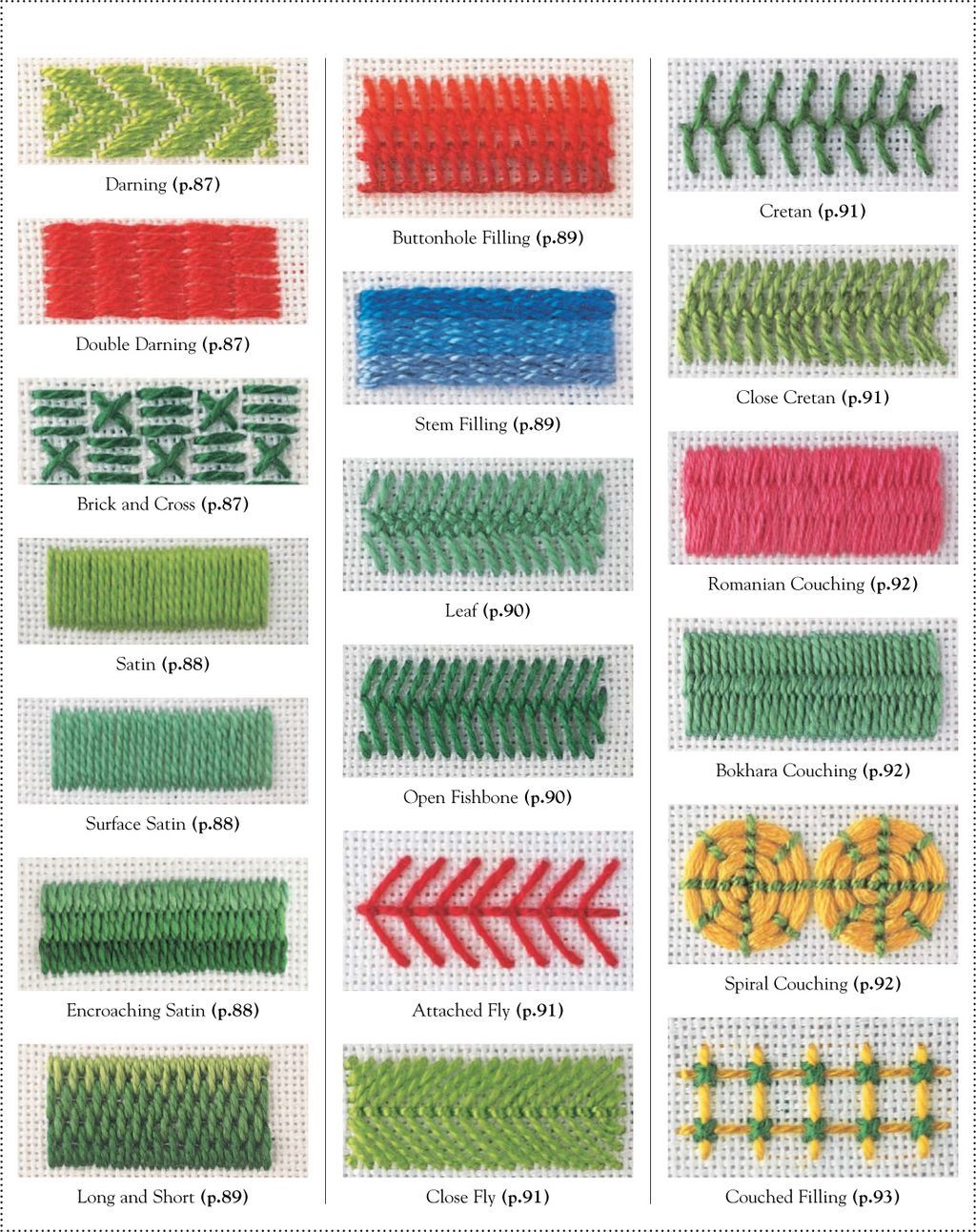
- Satin Stitch – Smooth, dense stitch for solid motifs and letters.
- Long & Short Stitch – Creates shading and gradient effects in floral or pictorial embroidery.
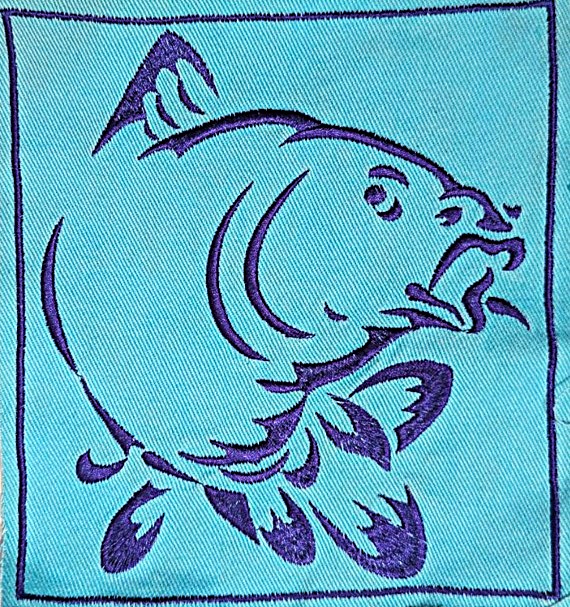
- Tatami / Fill Stitch – Machine stitch for filling large areas evenly.
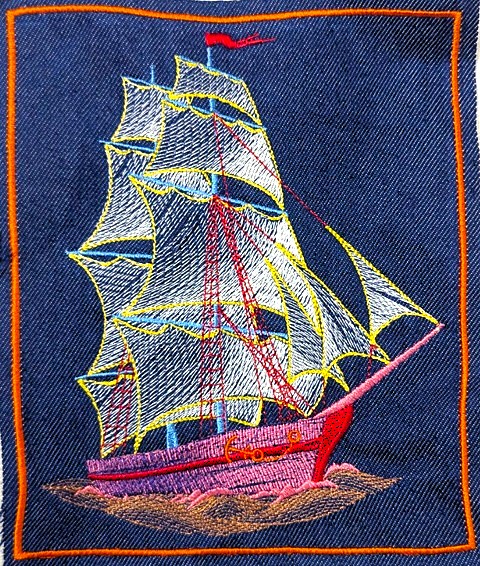
3. Decorative / Textured Stitches
- French Knot – Small knots adding dimension and texture.
- Seed Stitch – Tiny scattered stitches for a textured fill.
- Couching – Thread laid on the fabric surface and anchored with small stitches.
- Herringbone Stitch – Crisscross stitch used for decorative borders and patterns.
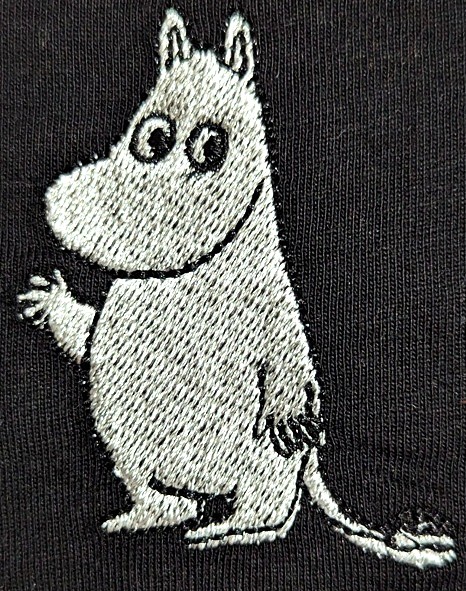
4. Specialty / Raised Stitches
- Padded Satin Stitch – Satin stitch over padding to create a raised effect.
- Bullion Knot – Coil-like stitch for floral and textured motifs.
- Feather Stitch – Decorative open stitch often used in borders and motifs.
- 3D / Puff Stitch – Stitches raised with foam or extra layers for dimensional embroidery.
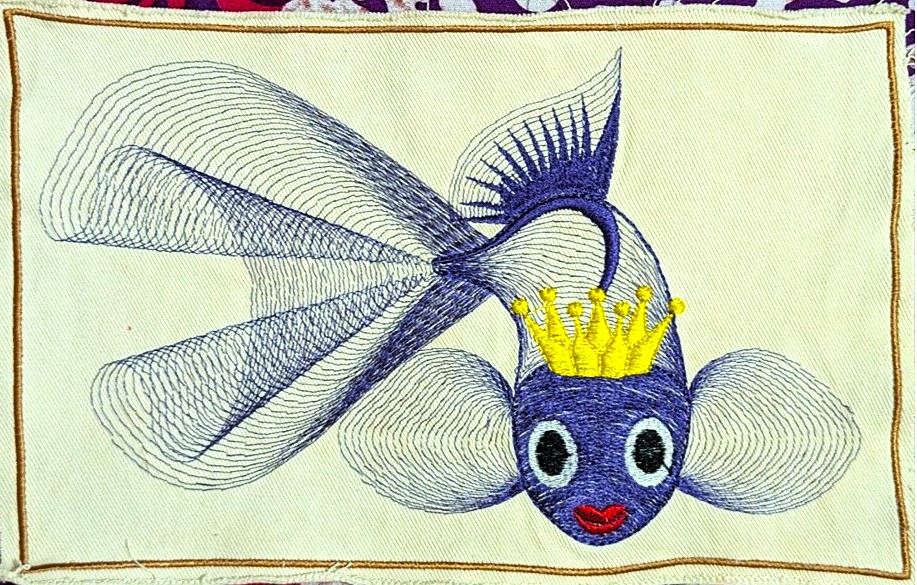
5. Regional & Traditional Stitches
- Nakshi Kantha Stitch – Running stitch variations for layered storytelling designs.
- Chikankari Stitches – Fine, delicate stitches including herringbone, backstitch, and shadow work.
- Phulkari Stitches – Satin stitch variants forming floral patterns with vibrant threads.
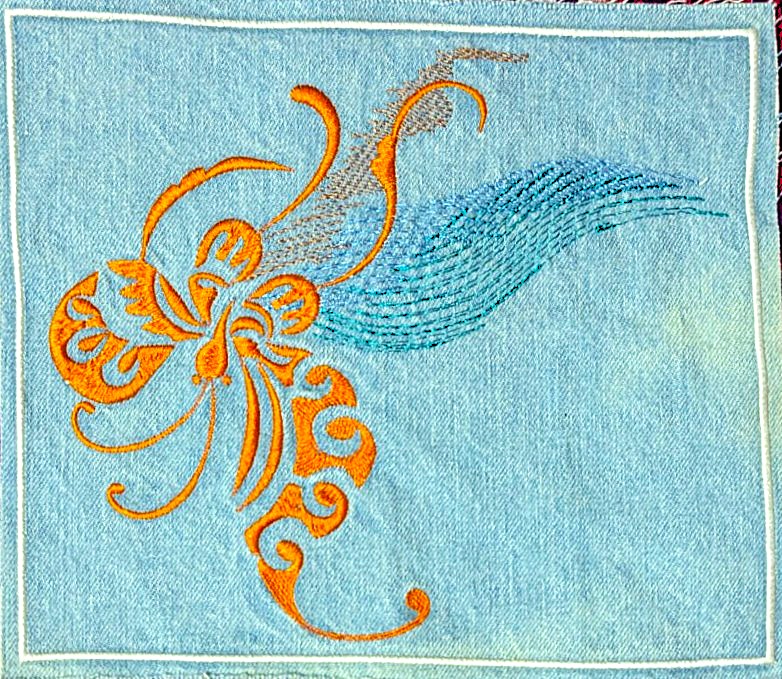
Summary
Embroidery stitches define texture, depth, and visual style, enabling both artistic expression and functional embellishment. From simple outlines to high-density 3D embroidery, mastering stitch types is essential for heritage preservation and modern textile innovation.