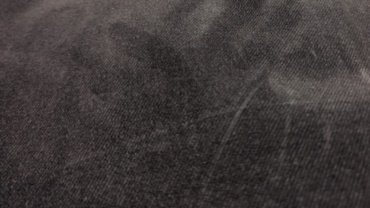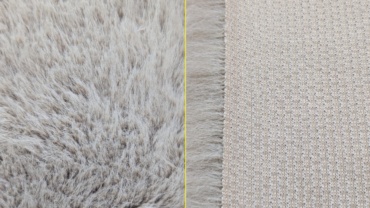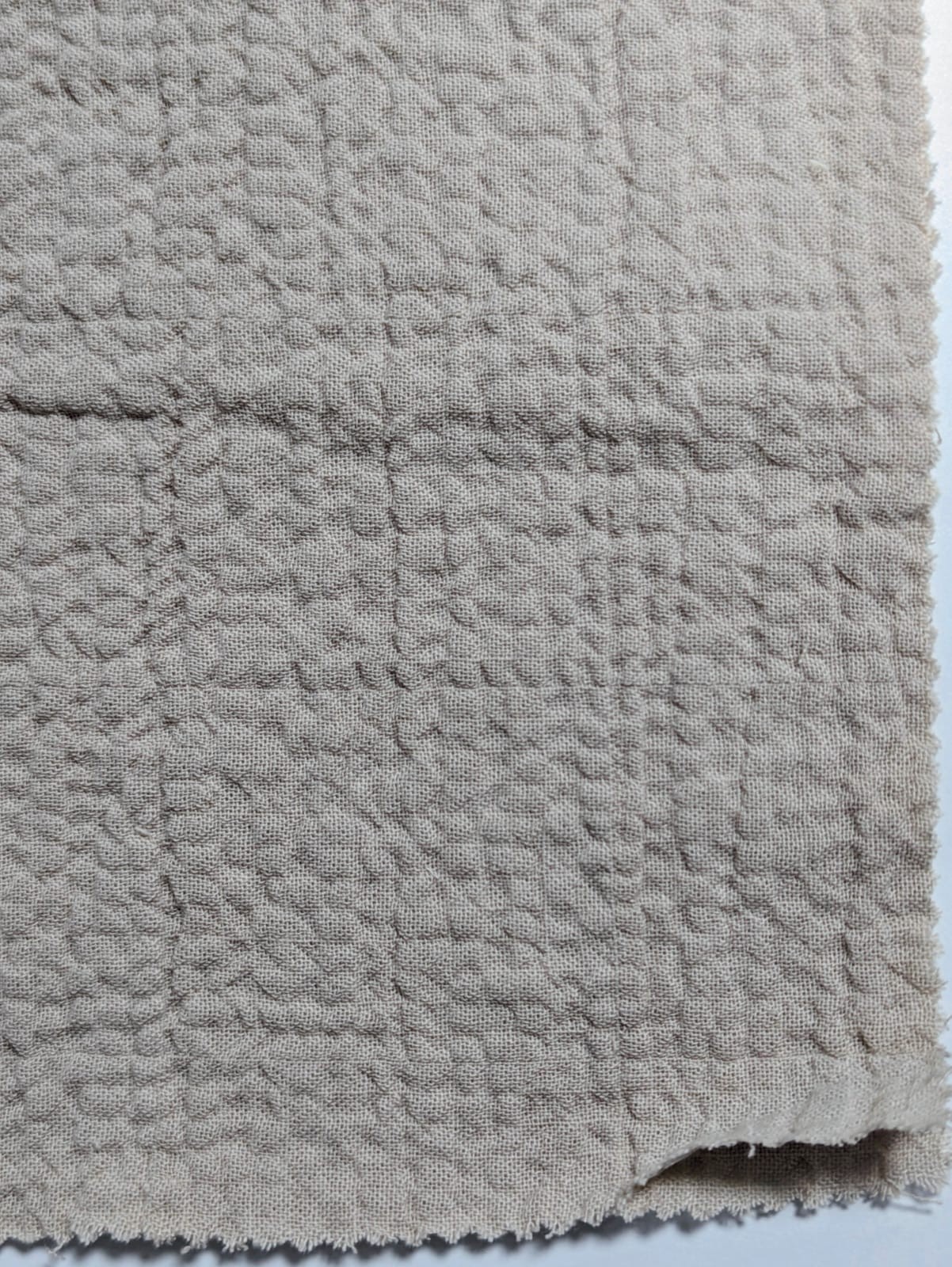
Double Cloth is a woven textile constructed with two separate sets of warp and weft threads, forming two fabric layers that are either interconnected or partially fused. This multi-layered structure allows for reversible designs, varied textures, and added thickness without significantly increasing weight. Unlike single-layer fabrics, double cloth can incorporate contrasting colors, patterns, or textures on each side, providing both functional versatility and aesthetic appeal.
Typically produced in cotton, wool, silk, or blended yarns, Double Cloth generally ranges between 150–400 GSM, depending on fiber, weave density, and the number of layers. The base weave can vary—plain, twill, or satin—allowing artisans to create fabrics suitable for apparel, outerwear, upholstery, and decorative textiles.
Historically, double cloth techniques emerged in 14th–15th century Europe and Asia. In Europe, Italian and Flemish weavers developed early double cloth for luxurious garments, tapestries, and decorative textiles. In Asia, particularly China and India, double cloth was used in brocades, ceremonial textiles, and layered silks, demonstrating technical mastery in weaving. By the 18th–19th centuries, double cloth was widely used in fashion and home textiles, valued for its durability, insulation, and aesthetic versatility.
In a textile museum context, Double Cloth demonstrates how layered weaving techniques enhance both structural integrity and artistic expression. It represents the integration of functional innovation and visual richness in historical and contemporary textile design.