Skip to content Skip to footer

Left-Hand Twill (Z-Twill)

Left-hand twill, also known as Z-twill, is a type of twill weave in which the diagonal line run from the lower right to the upper left of the fabric when viewed from the face side. This directional pattern is created by weaving the weft yarn under and over warp yarns in a sequence that produces a consistent left-slanting wale. The slant influences the fabric’s appearance, drape, and hand feel, while maintaining the inherent strength and durability advantages of twill fabrics.

Z-twill fabrics can be produced from cotton, wool, silk, polyester, or blended fibers, with yarn thickness and density selected according to end use. Fabric weight generally ranges from 150–400 GSM, suitable for denim, gabardine, trousers, jackets, and uniforms. The left-hand diagonal provides excellent wrinkle resistance, abrasion durability, and a subtle textured look, distinguishing it from right-hand (S) twill.

In a museum context, Z-twill demonstrates the impact of weave directionality on textile performance and aesthetics, serving as an essential example for studying twill variations, their technical applications, and visual characteristics in woven fabrics.
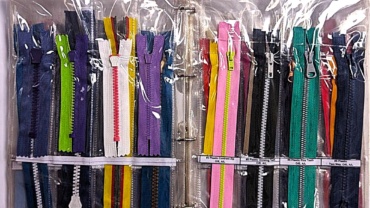
Left-Hand Twill (Z-Twill)

Available in the Museum’s Library.
The research opportunity for Left-Hand Twill (Z-Twill) includes studying how twill direction and yarn count influence fabric strength, drape, and abrasion resistance. Further exploration can focus on optimizing fiber blends, finishes, and weave variations for modern apparel and technical textile applications.

Sample Details:
* Object Title : Left-Hand Twill (Z-Twill)
* Accession Number: THB W-TWILL 03/2026
* Category : Woven Collection
* Period : 2026
* Region : Asia, Bangladesh
* Material Composition : 70% BCI Cotton 30% Recycle Cotton (Pre)
* Weave Construction: 2×2 Z-Twill
* Yarn Count (warp × weft) : 16×21/66×60
* GSM : 174
* Width: 57″
* Dye Type : Synthetic – Yarn Dyed
* Condition Assessment : Fabric swatch
* Historical Notes : Left-Hand Twill does not have a single inventor and emerged as a natural development in traditional weaving techniques. Twill weaves, including left-hand (Z-twill) and right-hand (S-twill), have been used since ancient times, dating back to early Egyptian and Asian textile practices (circa 3000–2000 BCE) for durable and decorative fabrics.

It is a weave structure innovation rather than a patented invention, evolving through centuries of practical and aesthetic textile development.
* Source / Donor : Zaber & Zubair Fabrics

Year2026AuthorTexheritage BangladeshShare

Leave a comment