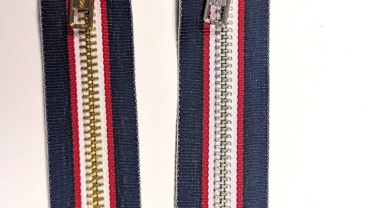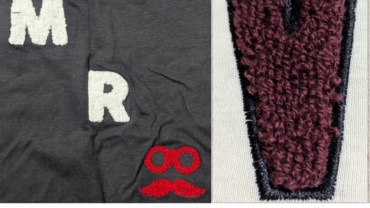


Banglalin (also spelled Banglaline) is a structured, ribbed textile characterized by fine horizontal ribs created by the use of heavier weft yarns within a plain-weave (modified 1/1) construction. Traditionally produced from cotton, silk, wool, or blended fibers, Banglalin is valued for its firm hand, dimensional stability, and refined, formal appearance.
Banglalin is constructed using a modified plain-weave structure in which fine, closely set warp yarns are interlaced with heavier weft yarns to create distinct horizontal ribs. The fabric is typically medium weight, ranging from approximately 180–280 GSM, with a firm, structured hand and high dimensional stability. Its surface is smooth with clearly defined crosswise ribs, offering moderate breathability depending on fiber composition. The controlled rib formation ensures excellent shape retention, low distortion, and suitability for tailored garments requiring clean lines and durability.
Banglalin gained prominence in South Asia during the late colonial and early post-colonial periods, particularly in Bangladesh and the Indian subcontinent, where it became closely associated with formal menswear, uniforms, and ceremonial garments. The fabric reflects the integration of European tailoring requirements into regional textile production.
Common finishes include bleaching, piece dyeing, calendaring, and light stiffening, which enhance surface smoothness, rib definition, and durability. Fiber-specific finishes influence sheen and drape, especially in silk and wool variants.
Banglalin is widely used for suits, jackets, trousers, traditional formal wear, and institutional uniforms, where structure and clean tailoring lines are essential.
In a textile museum, Banglalin exemplifies how yarn selection, weave manipulation, and finishing techniques are combined to achieve functional elegance. It stands as a testament to the cross-cultural exchange of textile technology and the evolution of structured fabrics in South Asian apparel history.