

Calico is a traditional plain-weave cotton fabric, historically significant for its role in global textile trade and the spread of printed cottons. Originating in Calicut (Kozhikode), India, from which the name “calico” is derived, this fabric was widely produced and exported from South Asia from the 15th–18th centuries.
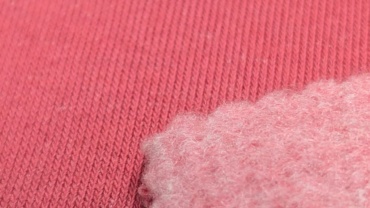
Calico is typically made from unbleached or semi-bleached cotton yarns, giving it a natural off-white or slightly brownish appearance. It is woven in a 1/1 plain weave, producing a lightweight to medium-weight fabric (usually 90–150 GSM) with a soft yet slightly coarse hand. The open structure allows excellent dye and print absorption, making calico ideal for hand-block printing and early resist-dye techniques.
Historically, calico played a major role in shaping European fashion and trade. Its popularity in England and France led to the famous Calico Acts (1700–1721), which attempted to restrict imports to protect local wool and silk industries—highlighting calico’s economic and cultural impact.
Calico is commonly used for printed textiles, quilting, craftwork, linings, and garment prototyping. In a textile museum context, calico represents the foundation of printed cotton traditions and demonstrates how simple weave structures enabled artistic expression, trade expansion, and early globalization of textiles.