
by Texheritage Bangladesh
Introduction
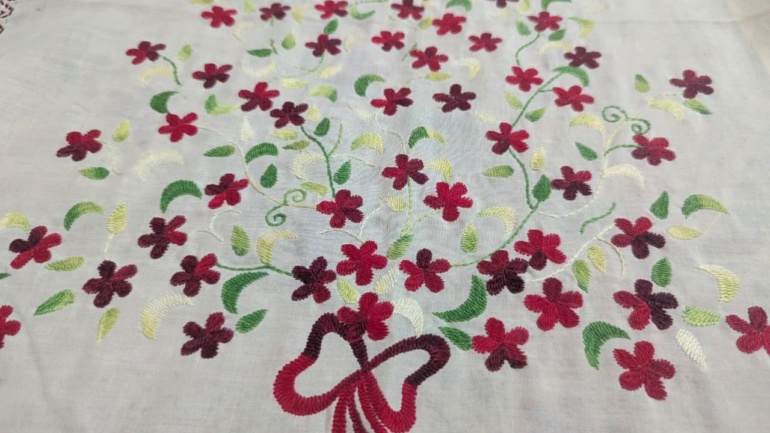
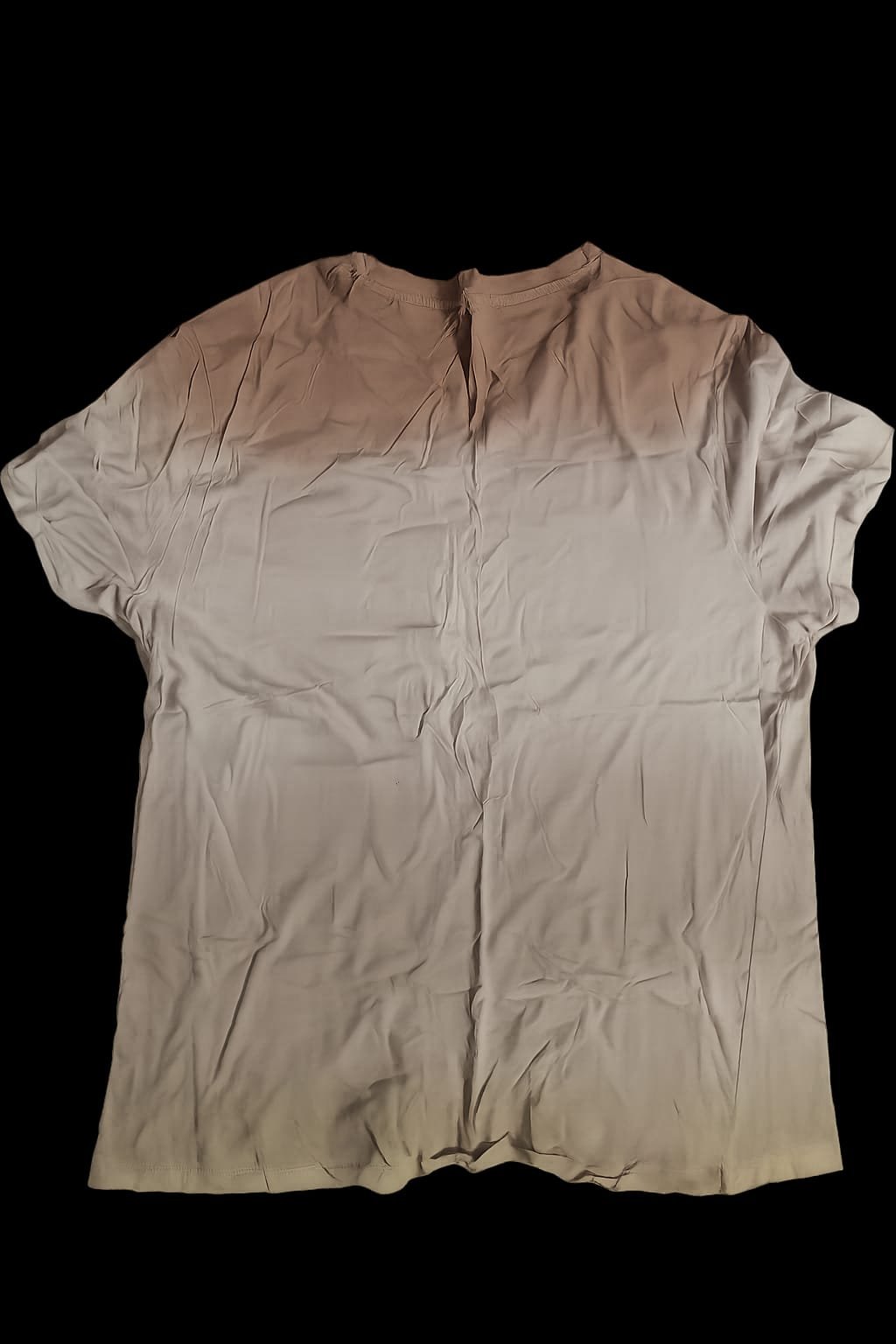
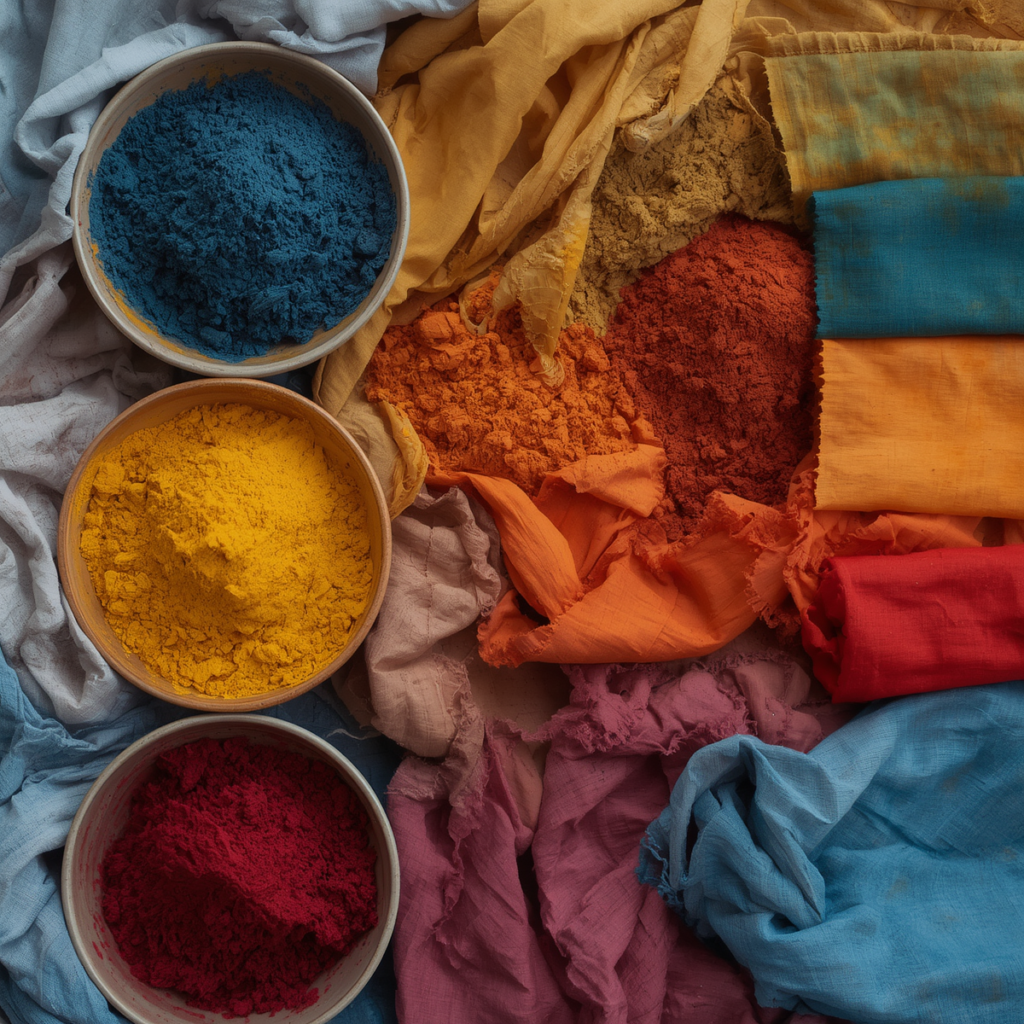
For thousands of years, before the invention of synthetic dyes in the mid-19th century, the people of Bengal relied entirely on nature to color their textiles. Leaves, roots, bark, flowers, fruits, seeds, minerals, and insects provided a remarkable palette of colors that adorned cotton, silk, wool, and other natural fibers. These traditional dyeing methods were not merely technical processes—they represented a sophisticated body of scientific knowledge developed through centuries of experimentation and passed down through generations of artisans.
The Bengal region, which includes present-day Bangladesh and the Indian state of West Bengal, became internationally renowned for producing some of the world’s finest naturally dyed textiles. From the legendary Muslin of Dhaka to handwoven silk and cotton fabrics, Bengal’s textile traditions were admired by traders from Persia, Arabia, China, Southeast Asia, and later Europe.
Today, as the global fashion industry faces increasing pressure to reduce its environmental impact, natural dyeing is experiencing a revival. Sustainable fashion brands, researchers, museums, and artisan communities are once again exploring these ancient techniques as environmentally responsible alternatives to synthetic coloration.
A Brief History of Natural Dyeing
Archaeological evidence suggests that humans have been dyeing textiles with natural materials for more than 6,000 years.
Some important historical milestones include:
- 4000–3000 BCE: Evidence of natural dyeing appears in ancient Egypt and Mesopotamia.
- 2600 BCE: The Indus Valley Civilization cultivated cotton and likely used plant-based dyes.
- 1500–500 BCE: Indigo, madder, saffron, and turmeric became widely used throughout South Asia.
- 4th century BCE: Greek historians described Indian cotton fabrics famous for their brilliant colors.
- 7th–12th centuries CE: Bengal emerged as an important textile-producing region under Buddhist and later Islamic kingdoms.
- 16th–18th centuries: During the Mughal Empire, Bengal became one of the world’s leading textile exporters, producing naturally dyed Muslin, silk, Jamdani, and fine cotton fabrics.
- 1856: British chemist William Henry Perkin accidentally discovered Mauveine, the world’s first synthetic dye, initiating the gradual decline of natural dyeing worldwide.
Despite the rise of synthetic dyes during the Industrial Revolution, traditional natural dyeing continued in many villages across Bangladesh well into the twentieth century.
Natural Dyeing in Bengal: A Heritage Spanning Millennia
The Bengal Delta has long provided ideal conditions for growing dye-producing plants due to its fertile alluvial soil, abundant rainfall, and tropical climate.
Historical records from Chinese, Arab, Persian, Portuguese, Dutch, French, and British travelers describe Bengal as one of Asia’s richest textile regions.
Between the 16th and 18th centuries, Bengal accounted for a significant share of the world’s cotton textile exports. Its fabrics reached markets across:
- Persia
- The Ottoman Empire
- Arabia
- East Africa
- Southeast Asia
- China
- Europe
Most of these textiles were colored using locally available natural dyes.
Traditional dyeing centers flourished in regions including:
- Dhaka
- Sonargaon
- Tangail
- Rajshahi
- Kushtia
- Jessore
- Pabna
- Cumilla
Artisans often belonged to hereditary communities where dyeing knowledge was passed from parents to children over generations.
Traditional Natural Dye Sources in Bangladesh
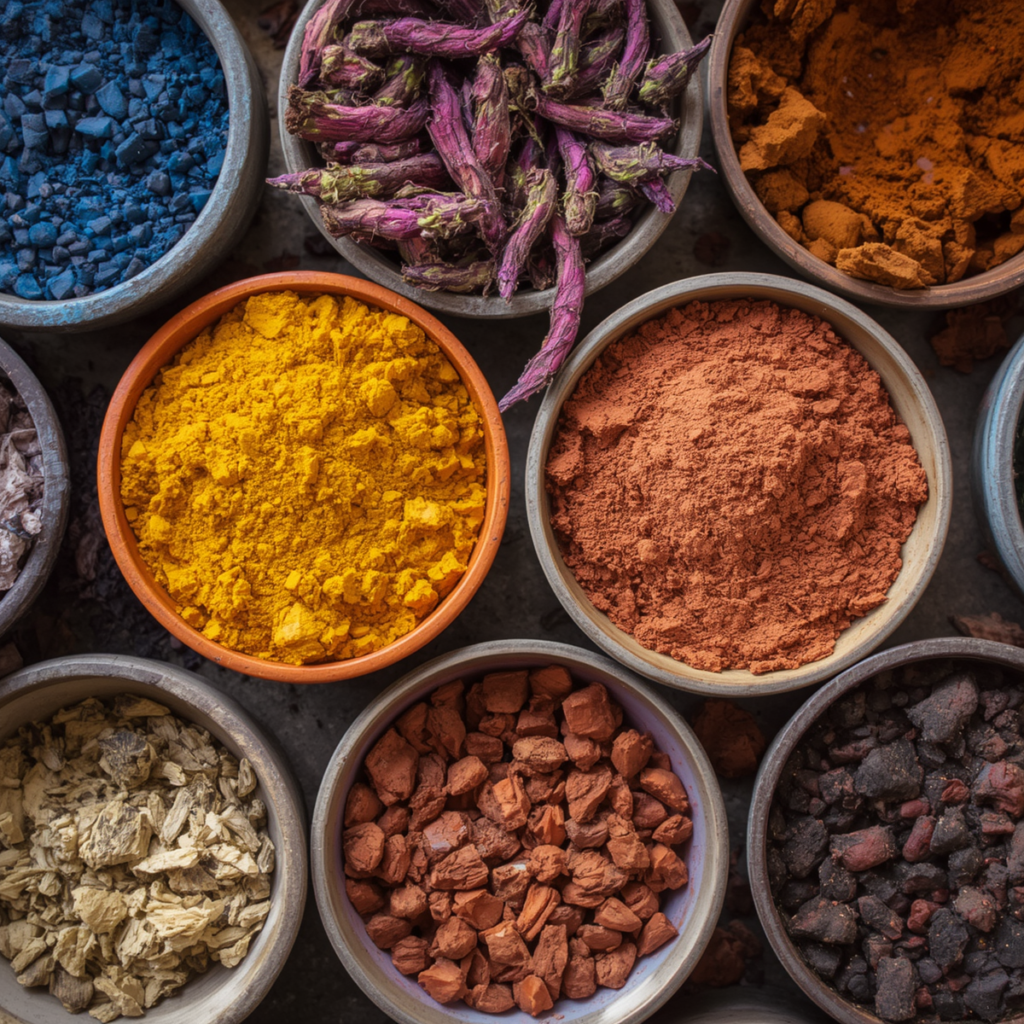
Bangladesh possesses a remarkable diversity of dye-producing plants.
| Natural Source | Scientific Name | Typical Color |
|---|---|---|
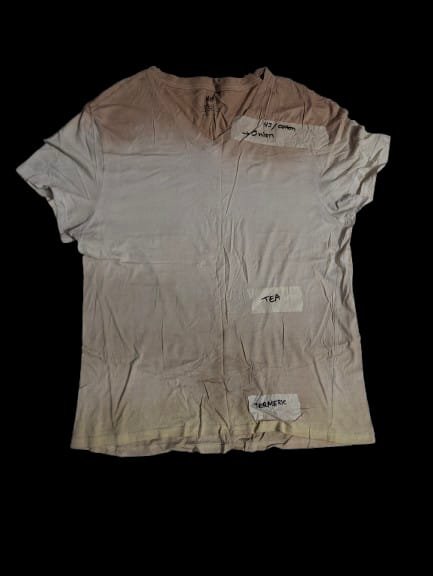
| Turmeric | Curcuma longa | Bright Yellow |
| Indigo | Indigofera tinctoria | Deep Blue |
| Henna | Lawsonia inermis | Orange to Reddish Brown |
| Annatto | Bixa orellana | Orange |
| Onion Skin | Allium cepa | Golden Yellow |
| Pomegranate Peel | Punica granatum | Yellow, Olive, Green |
| Tea Leaves | Camellia sinensis | Brown |
| Mango Leaves | Mangifera indica | Yellow-Green |
| Mahogany Bark | Swietenia mahagoni | Brown |
| Acacia Bark | Acacia nilotica | Brown to Red-Brown |
| Catechu (Khair) | Acacia catechu | Dark Brown |
| Marigold Flowers | Tagetes erecta | Bright Yellow |
| Jackfruit Wood | Artocarpus heterophyllus | Golden Yellow |
| Hibiscus Flowers | Hibiscus rosa-sinensis | Pink to Purple Tones |
Many artisans combined different plants to achieve hundreds of unique shades.
Indigo: Bengal’s Legendary Blue
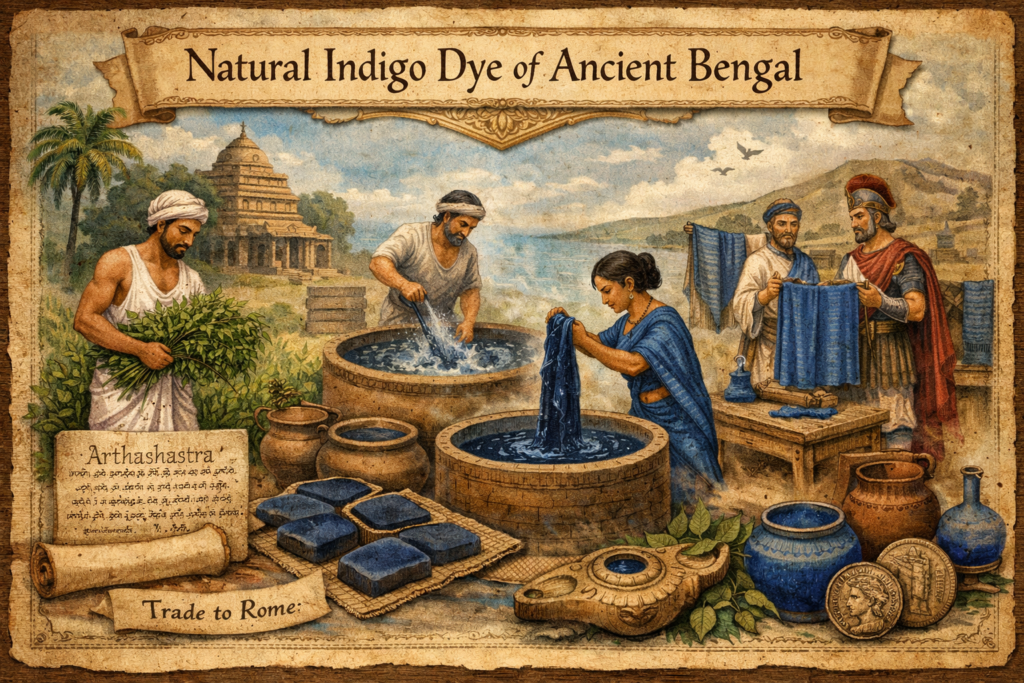
Among all natural dyes, indigo occupies a unique place in Bengal’s history.
The plant (Indigofera tinctoria) has been cultivated in South Asia for more than 2,000 years.
During the eighteenth and nineteenth centuries, Bengal became one of the world’s largest producers of natural indigo. European demand increased dramatically after the British East India Company expanded its commercial operations.
By the early 1800s, hundreds of indigo factories (known as Nil Kuthi) operated across Bengal.
However, indigo cultivation became associated with severe exploitation of farmers. European plantation owners forced cultivators to grow indigo instead of food crops, often under oppressive contracts.
This led to the famous Indigo Revolt (Nil Bidroha) of 1859–1860, one of the earliest organized peasant uprisings against British colonial rule. Farmers across Nadia, Jessore, Pabna, Rajshahi, and surrounding regions resisted forced cultivation, and the movement became a landmark in Bengal’s social and political history.
Today, natural indigo is again attracting international attention for sustainable denim production and eco-friendly fashion.
The Science Behind Natural Dyeing
Natural dyes contain pigments that require proper preparation before they can permanently color textile fibers.
The basic dyeing process generally includes:
- Scouring (cleaning the fabric)
- Mordanting
- Preparing the dye extract
- Dyeing
- Washing
- Drying
- Aging or curing
Temperature, pH, water quality, dye concentration, and dyeing duration all influence the final color.
Understanding Mordants
A mordant is a substance that chemically binds dye molecules to textile fibers, improving wash fastness, light fastness, and color depth.
Traditional mordants include:
- Alum (Potassium Aluminum Sulfate)
- Iron (Ferrous Sulfate)
- Copper Salts (used carefully due to environmental concerns)
- Tannins from Myrobalan, Pomegranate Peel, and Oak Galls
- Natural plant tannins
Interestingly, the same dye plant can produce entirely different shades depending on the mordant used.
For example:
- Turmeric + Alum = Bright Yellow
- Turmeric + Iron = Olive Green
- Pomegranate + Iron = Grey-Green
- Indigo over Turmeric = Green
Environmental Benefits
The textile dyeing industry is among the largest contributors to industrial water pollution worldwide. Synthetic dyes often require petroleum-derived chemicals and generate wastewater that must be carefully treated.
Natural dyes offer several environmental advantages when responsibly produced:
- Renewable plant-based resources
- Biodegradable colorants
- Reduced dependence on petrochemicals
- Lower toxicity
- Preservation of biodiversity through cultivation of indigenous dye plants
- Support for regenerative agriculture
- Reduced carbon footprint in artisanal production
However, sustainable harvesting and responsible water management remain essential.
Challenges of Natural Dyeing
Despite its advantages, natural dyeing faces important limitations:
- Variation between harvest seasons
- Limited color reproducibility
- Lower productivity
- Longer processing times
- Higher labor costs
- Limited industrial scalability
- Lower resistance to some modern performance requirements
For these reasons, natural dyeing is generally best suited to heritage textiles, luxury products, and sustainable fashion rather than mass-market manufacturing.
Modern Applications
Natural dyes are increasingly used in:
- Jamdani
- Khadi
- Handloom cotton
- Silk scarves
- Heritage reproductions
- Eco-fashion collections
- Luxury apparel
- Artisan home textiles
- Museum conservation
- Experimental sustainable denim
- Textile education and research
International fashion brands and design schools are also investigating bio-based dyes derived from agricultural waste, algae, fungi, and food-processing by-products, expanding the possibilities of natural coloration.
Preserving Bangladesh’s Dyeing Heritage
Natural dyeing is recognized as an important element of intangible cultural heritage. Much of this knowledge survives only through oral tradition and practical experience.
Without documentation, valuable information about:
- Indigenous dye plants
- Traditional recipes
- Seasonal harvesting methods
- Regional dyeing techniques
- Historical textiles
- Artisan communities
may disappear within a generation.
Museums, universities, researchers, government agencies, and artisan organizations all have a responsibility to preserve and promote this knowledge through research, exhibitions, archives, and educational programs.
The Role of Texheritage Bangladesh Museum
As Bangladesh’s first dedicated textile heritage initiative, Texheritage Bangladesh Museum aims to document and preserve the nation’s rich dyeing traditions for future generations.
Key areas of documentation include:
- Native dye-producing plants
- Historical dye recipes
- Traditional dyeing tools and equipment
- Regional dyeing techniques
- Naturally dyed textile collections
- Artisan interviews and oral histories
- Scientific analysis of historic fabrics
- Educational workshops and public exhibitions
By combining historical research with modern textile science, the museum seeks to bridge the past and the future—ensuring that Bangladesh’s remarkable natural dyeing heritage continues to inspire researchers, designers, students, and artisans around the world.
Conclusion
Natural dyeing is far more than an ancient method of coloring fabric. It represents centuries of accumulated scientific knowledge, environmental wisdom, artistic expression, and cultural identity. From the brilliant blues of indigo to the warm yellows of turmeric and the rich browns of tree bark, these colors tell the story of Bangladesh’s deep relationship with its landscape and its textile traditions.
As the global fashion industry embraces sustainability, Bangladesh has a unique opportunity to revive and celebrate this heritage. By preserving traditional knowledge, supporting artisan communities, and encouraging research into eco-friendly dyeing practices, natural dyes can once again become a symbol of innovation rooted in history.
Protecting this legacy is not only about conserving the past—it is about creating a more sustainable and culturally connected future for the textile industry.