Texheritage Bangladesh - is Bangladesh’s first dedicated, research-based textile museum and digital archive


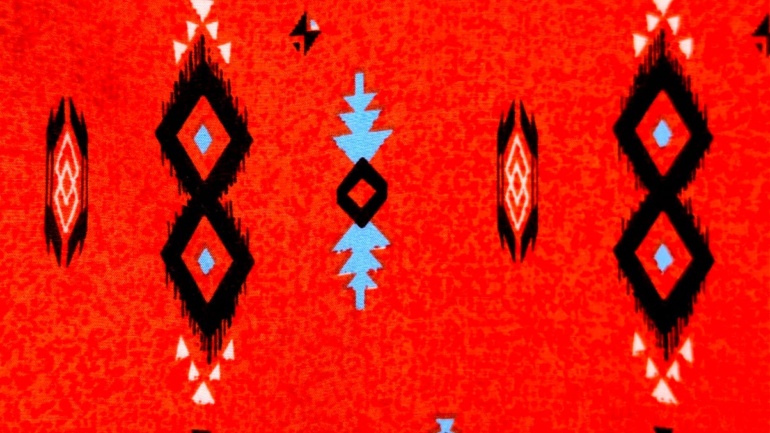
Available in Museum’s Library.
Percale fabric offers research opportunities in sustainable fiber blends, eco-friendly finishing, thread count optimization, and functional treatments to enhance durability, comfort, and performance for both apparel and home textiles.
Sample Details:
* Object Title : Percale Fabric
* Accession Number: THB W-Plain 02/2026
* Category : Woven Collection
* Period : 2026
* Region : Asia, Bangladesh
* Material Composition : 100% Rayon
* Weave Construction: Plan Weave
* Yarn Count (warp × weft) : Need analysis
* GSM : 120-125
* Width: 54″
* Dye Type : Synthetic, AOP
* Condition Assessment : Fabric swatch
* Historical Notes : Percale is believed to derive from the Persian word pargālah, meaning “rag” or “cloth,” and became widely known in Europe during the 18th century after being produced in India and exported to France and England. By the 19th century, its fine quality, crisp handle, and tight plain weave made it a standard fabric for bed linens, shirts, and lightweight summer garments.
* Source / Donor : Hullor
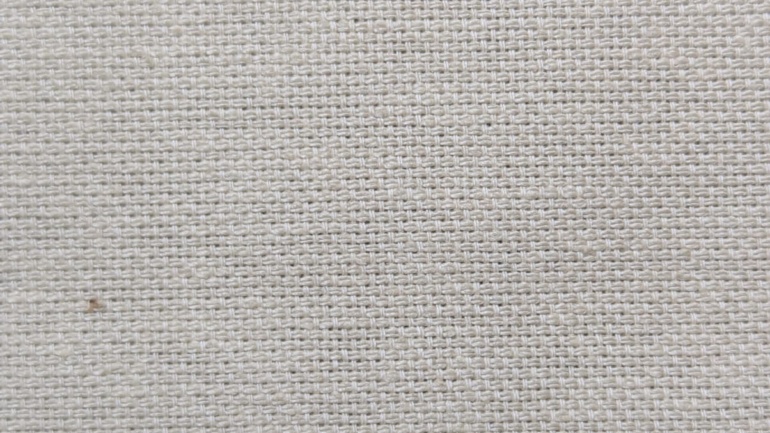
Available in Museum’s Library.
Research opportunities include developing sustainable fiber blends, enhancing strength-to-weight ratios, improving water and abrasion resistance through eco-finishes, and exploring recycled or bio-based canvas for industrial and lifestyle applications.
Sample Details:
* Object Title : Canvas Fabric
* Accession Number: THB W-Plain 03/2026
* Category : Woven Collection
* Period : 2026
* Region : Asia, Bangladesh
* Material Composition : 100% Cotton
* Weave Construction: Plan Weave
* Yarn Count (warp × weft) : 20+20*12+12
* GSM : 205
* Width: 56/57″
* Dye Type : Synthetic
* Condition Assessment : Fabric swatch
* Historical Notes : Canvas originated in ancient civilizations such as Egypt and Rome, where heavy hemp fabric was first woven for sails and utility use, and its name derives from the Latin cannabis, meaning hemp. Cotton canvas was also very common. for that time. From the Age of Exploration onward, it became essential for ship sails and later evolved into a durable material used for tents, workwear, painting surfaces, and modern industrial applications.
* Source / Donor : Hullor
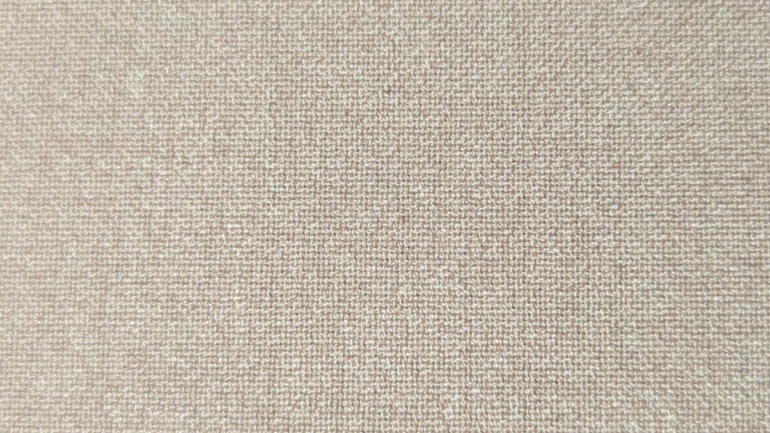
Available in Museum’s Library.
Poplin offers research opportunities in fiber blends, weave density, finishing techniques, and sustainability innovations to improve comfort, durability, and performance across apparel and technical textile applications.
Sample Details:
* Object Title : Poplin Fabric
* Accession Number: THB W-Plain 05/2026
* Category : Woven Collection
* Period : 2020
* Region : Asia, Bangladesh
* Material Composition :95/5% Nylon / Spandex
* Weave Construction: Plan Weave
* Yarn Count (warp × weft) : 70D+320D*40D
* GSM : 170-175
* Width: 56/57″
* Dye Type : Synthetic
* Condition Assessment : Fabric swatch
* Historical Notes : Poplin originated in 15th-century Avignon, France, initially woven with a silk warp and wool weft, and its name is linked to the papal residence there. Over time it evolved into cotton constructions and became widely used for shirts, dresses, and uniforms due to its smooth surface and durability.
* Source / Donor : Hullor
