Texheritage Bangladesh - is Bangladesh’s first dedicated, research-based textile museum and digital archive


Available in Museum’s Library.
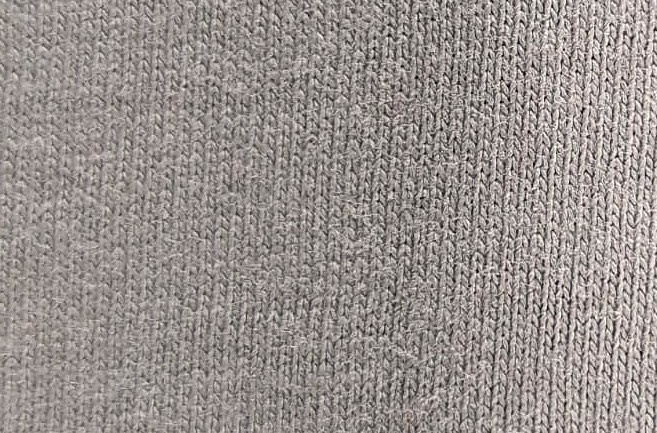
Single Jersey offers research opportunities in stretch optimization, moisture management, and sustainable knit structures, bridging traditional weft-knitting techniques with modern performance fabrics.
Sample Details:
* Object Title : Single Jersey
* Accession Number: THB K-SJ 01/2026
* Category : Knit Collection
* Period : 2026
* Region : Asia, Bangladesh
* Material Composition : 100% Cotton
* Weave Construction: Weft Knit
* Yarn Count (warp × weft) : Need to identify
* GSM : 180
* Width: Available
* Dye Type : Reactive Dye
* Condition Assessment : Fabric swatch
* Historical Notes : Single Jersey emerged in the late 19th century with circular knitting machines in England, initially used for undergarments and lightweight apparel due to its smooth, stretchable texture.
* Source / Donor : SF Fashion

Available in Museum’s Library.
Piqué offers research opportunities in knit/woven texture engineering, moisture management, and durable sportswear applications, bridging traditional pattern design with modern functional performance.
Sample Details:
* Object Title : Piqué Fabric
* Accession Number: THB W-TKF 01/2026
* Category : Knit Collection
* Period : 2026
* Region : Asia, Bangladesh
* Material Composition : 100% Polyester
* Weave Construction: Weft Knit
* Yarn Count (warp × weft) : Need analysis
* GSM : 220
* Width:
* Dye Type : Reactive
* Condition Assessment : Fabric swatch
* Historical Notes : Piqué originated in 18th–19th century France and England, initially used for formal shirts and waistcoats due to its crisp texture and decorative raised patterns.
* Source / Donor : SF Fashion
Available in Museum’s Library.
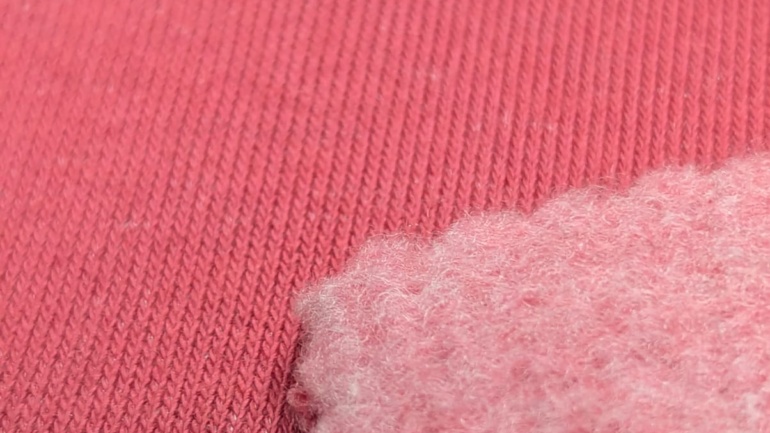
Fleece fabric offers research opportunities in thermal insulation, moisture management, and sustainable synthetic fiber innovations, bridging comfort and performance. Its evolution from natural wool to engineered polyester knits provides insights into material science, textile engineering, and eco-friendly fabric development.
Sample Details:
* Object Title : Fleece Fabric
* Accession Number: THB K-Fleece 01/2026
* Category : Knit Collection
* Period : 2026
* Region : Asia, Bangladesh
* Material Composition : 100% Cotton
* Weave Construction: Fleece one side brush
* Yarn Count (warp × weft) : Need to identify
* GSM : 355
* Width: Available
* Dye Type : Reactive Dye
* Condition Assessment : Fabric swatch
* Historical Notes : Fleece was developed in the 1970s by Malden Mills in the USA as a lightweight, warm, and synthetic alternative to wool. Since then, it has become a staple in outdoor, sports, and casual apparel due to its soft texture, insulating properties, and ease of care.
* Source / Donor : SF Fashion
Available in Museum’s Library.
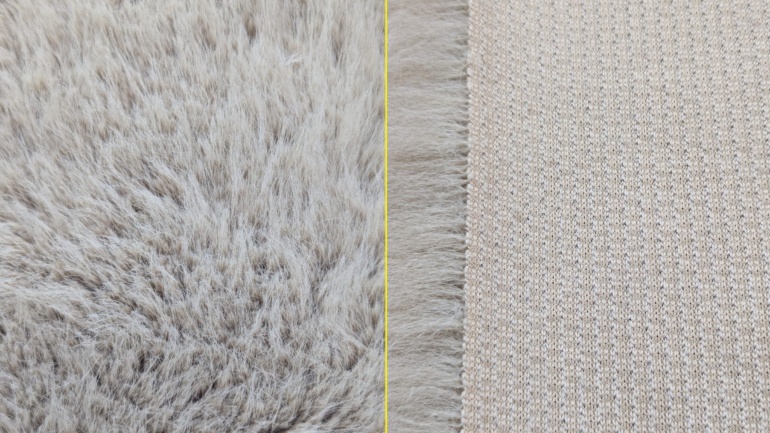
Sherpa fabric offers research opportunities in thermal insulation, sustainable synthetic blends, and performance-enhancing finishes, bridging traditional textile inspiration with modern functional innovation. Its evolution from natural sheepskin to high-tech fleece provides a case study in cultural heritage influencing contemporary material science.
Sample Details:
* Object Title : Sherpa Fabric
* Accession Number: THB W-TKF 01/2026
* Category : Knit Collection
* Period : 2026
* Region : Asia, Bangladesh
* Material Composition : 100% Polyester
* Weave Construction: Faux Fur
* Yarn Count (warp × weft) : 40-60 mm- Long & Short hair
* GSM : 1380
* Width: 59″
* Dye Type : Synthetic
* Condition Assessment : Fabric swatch
* Historical Notes : Sherpa fabric originated from the traditional wool garments of the Himalayan Sherpa people, used for warmth since at least the 15th century. Its modern synthetic version emerged in the 1950s–60s, replicating natural fleece for lightweight, insulating apparel.
* Source / Donor : SIXIANG TEXTILE (CHINA)
