Texheritage Bangladesh - is Bangladesh’s first dedicated, research-based textile museum and digital archive


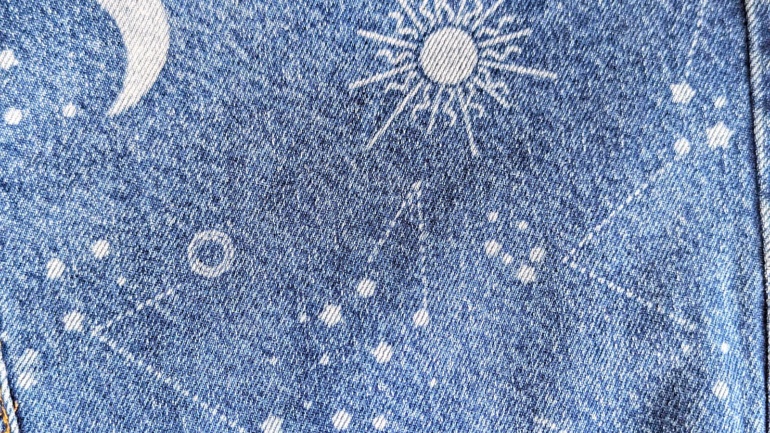
Available in Museum’s Library.
Laser printing offers research opportunities in developing precise, energy-efficient, and eco-friendly laser technologies for intricate textile design and surface modification. It also enables exploration of functional and smart textile applications, such as creating durable patterns, perforations, or conductive pathways for wearable technology.
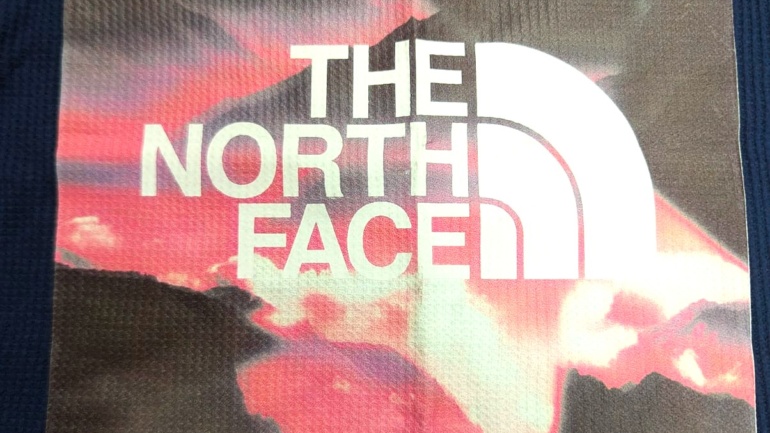
Available in Museum’s Library.
Digital printing presents research opportunities in developing eco-friendly inks, sustainable printing processes, and energy-efficient printers to reduce environmental impact. It also allows exploration of advanced fabric compatibility, high-resolution printing techniques, and integration with smart textiles for customized, functional, and high-performance apparel.
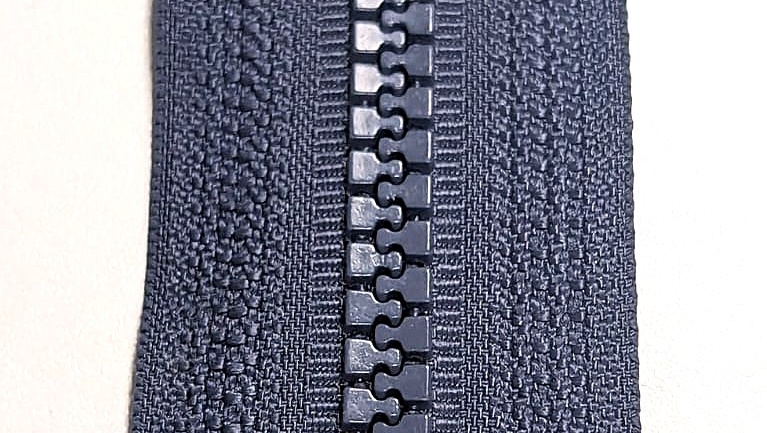
Available in Museum’s Library.
Vislon zippers offer research opportunities in developing stronger, more lightweight, and weather-resistant polymer materials for enhanced durability in heavy-duty and outdoor applications. Additionally, they provide scope for innovations in dual-slider mechanisms, low-friction coatings, and smart textile integration to expand functionality in technical apparel and adventure gear.
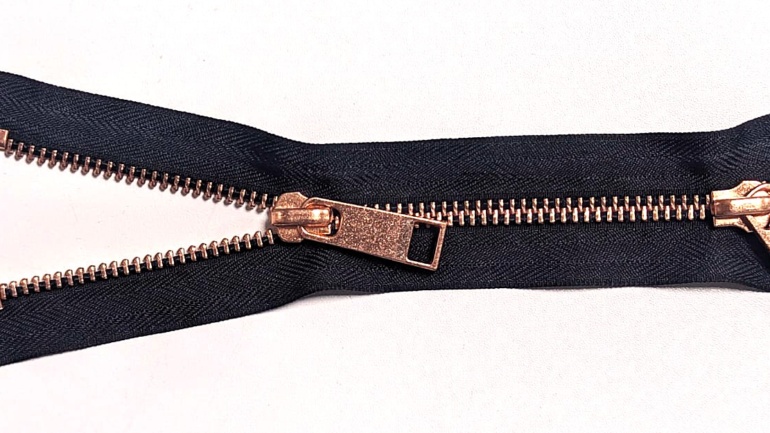
Available in Museum’s Library.
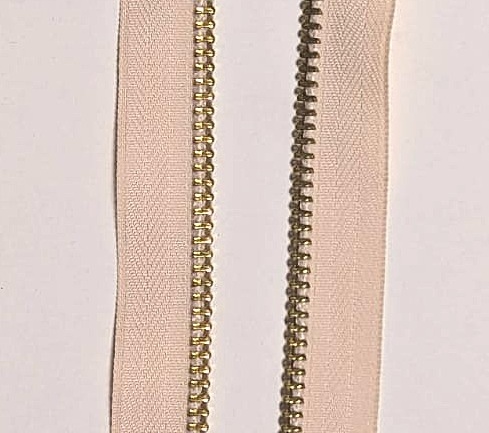
Two-way zippers present research opportunities in developing stronger, smoother dual-slider mechanisms for long garments and technical gear, ensuring reliability under frequent use. They also allow innovation in smart, multifunctional applications, such as adjustable ventilation, integrated waterproofing, or wearable technology in outdoor and performance apparel.
Available in Museum’s Library.
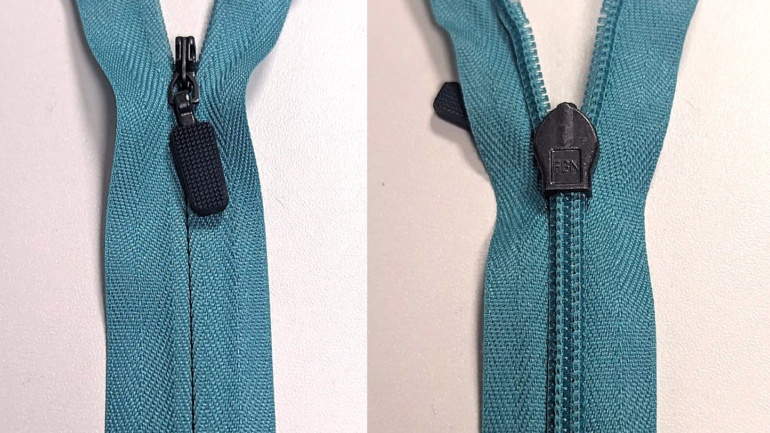
Separating zippers offer research opportunities in enhancing strength and smooth operation for heavy or layered garments, including innovations in durable teeth materials and slider mechanisms. They also provide scope for smart and functional applications, such as integration with waterproofing, fire resistance, or wearable technology in outerwear and technical apparel.
Available in Museum’s Library.
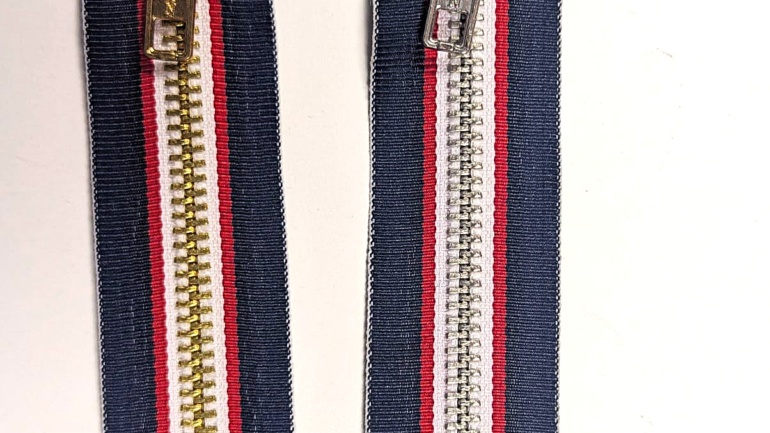
Invisibles zippers present research opportunities in developing stronger, ultra-thin materials and improved coil designs to enhance durability without compromising discretion. They also offer scope for innovations in seamless integration with stretch fabrics, smart textiles, and delicate apparel, expanding both functionality and aesthetic appeal.
Available in Museum’s Library.
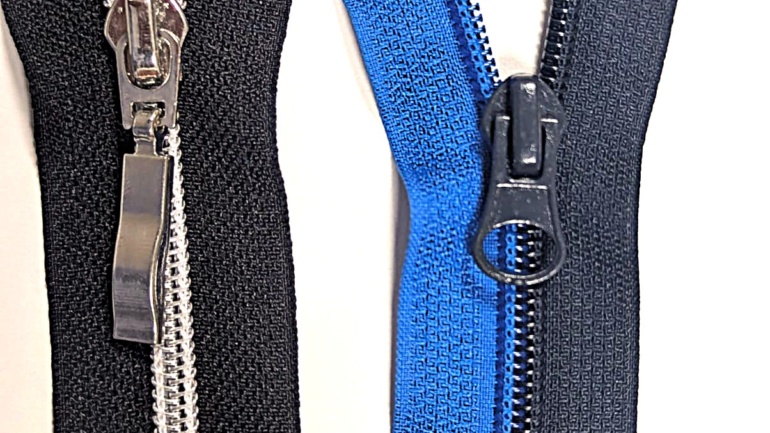
Metal zippers offer research opportunities in developing corrosion-resistant and lightweight metal alloys to enhance durability while reducing garment weight. Additionally, studies on innovative finishes, coatings, and integration with smart or technical fabrics can expand their functionality in fashion, outdoor gear, and performance apparel.
Available in Museum’s Library.
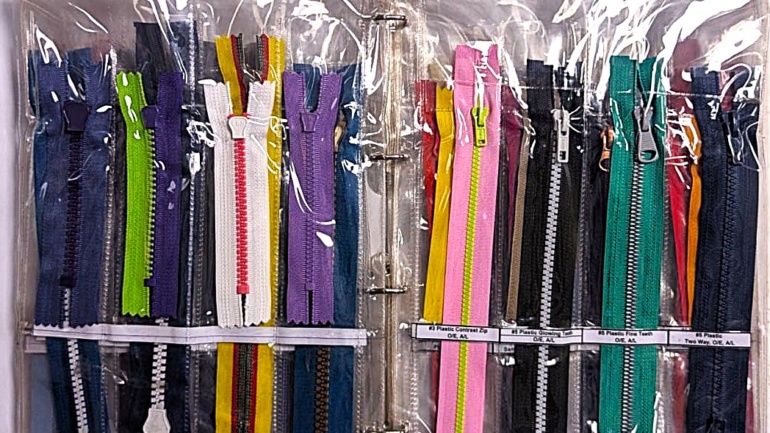
Coil zippers present research opportunities in developing advanced synthetic fibers and recycled polymers to improve flexibility, durability, and environmental sustainability. Further research can explore enhanced coil structures and low-friction slider technologies to improve performance in technical apparel, outdoor gear, and high-frequency-use garments.
Available in Museum’s Library.
Zippers present research opportunities in developing sustainable materials such as biodegradable polymers and recycled metals to reduce environmental impact in garment production. Further research can also explore advanced functional designs, including waterproof, fire-resistant, and smart zippers integrated with wearable technology for technical and performance textiles.
Available in Museum’s Library.
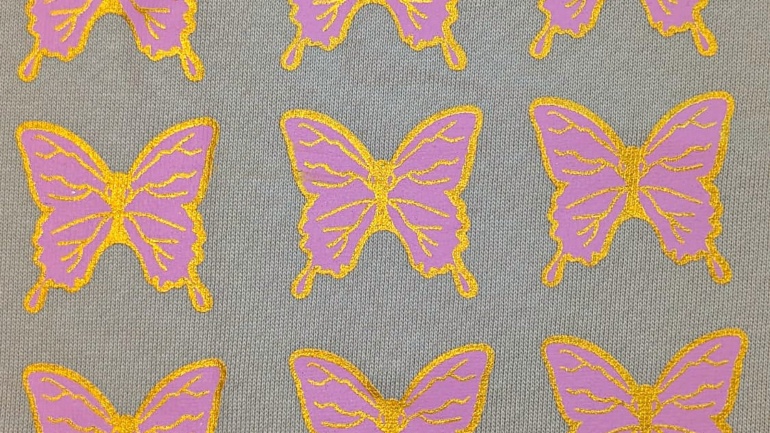
Afsan print presents research opportunities in analyzing the evolution of South Asian printed motifs and their adaptation into modern mass-produced textiles. Further studies can explore sustainable printing technologies, eco-friendly dyes, and digital printing methods to preserve traditional design aesthetics while reducing environmental impact in textile production.
Available in Museum’s Library.
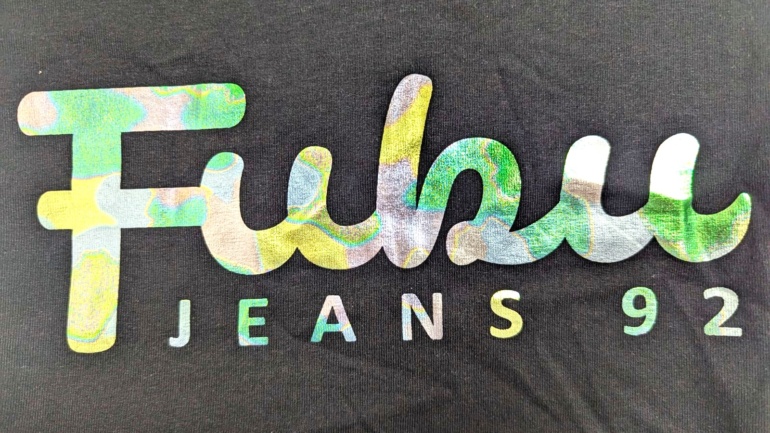
Foil printing offers significant research opportunities in developing eco-friendly adhesives and sustainable metallic foils to reduce environmental impact while maintaining durability and brilliance. Additionally, studying heat-transfer optimization and adhesion on diverse fabrics can expand its applications in performance textiles, luxury fashion, and mixed-media textile art.
Available in Museum’s Library.
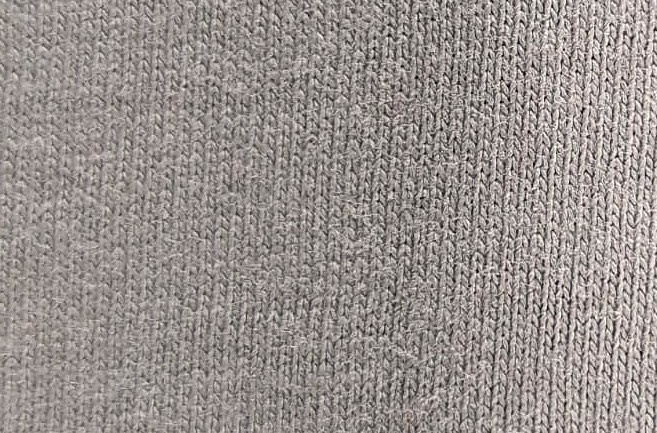
Single Jersey offers research opportunities in stretch optimization, moisture management, and sustainable knit structures, bridging traditional weft-knitting techniques with modern performance fabrics.
Sample Details:
* Object Title : Single Jersey
* Accession Number: THB K-SJ 01/2026
* Category : Knit Collection
* Period : 2026
* Region : Asia, Bangladesh
* Material Composition : 100% Cotton
* Weave Construction: Weft Knit
* Yarn Count (warp × weft) : Need to identify
* GSM : 180
* Width: Available
* Dye Type : Reactive Dye
* Condition Assessment : Fabric swatch
* Historical Notes : Single Jersey emerged in the late 19th century with circular knitting machines in England, initially used for undergarments and lightweight apparel due to its smooth, stretchable texture.
* Source / Donor : SF Fashion
