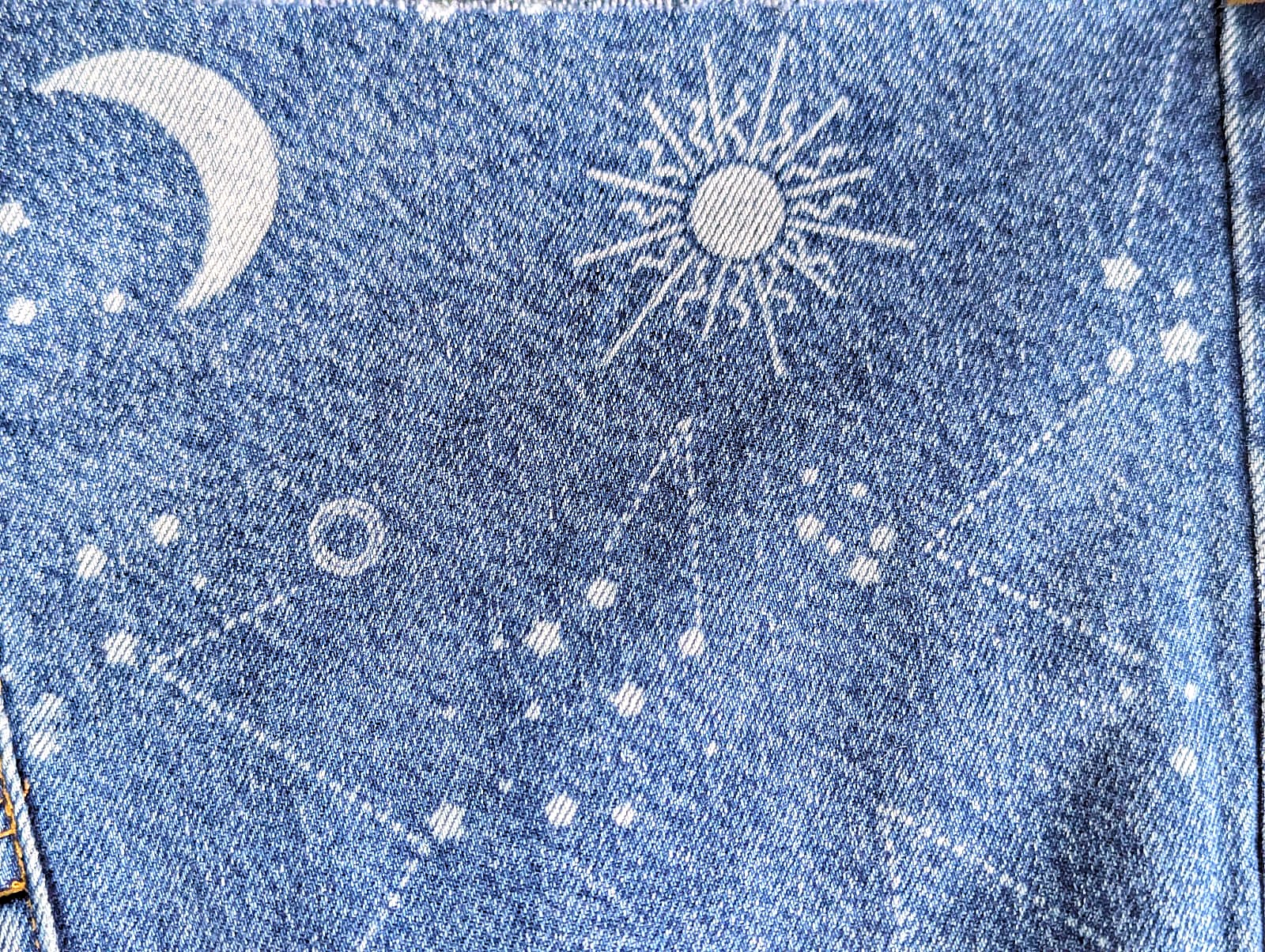
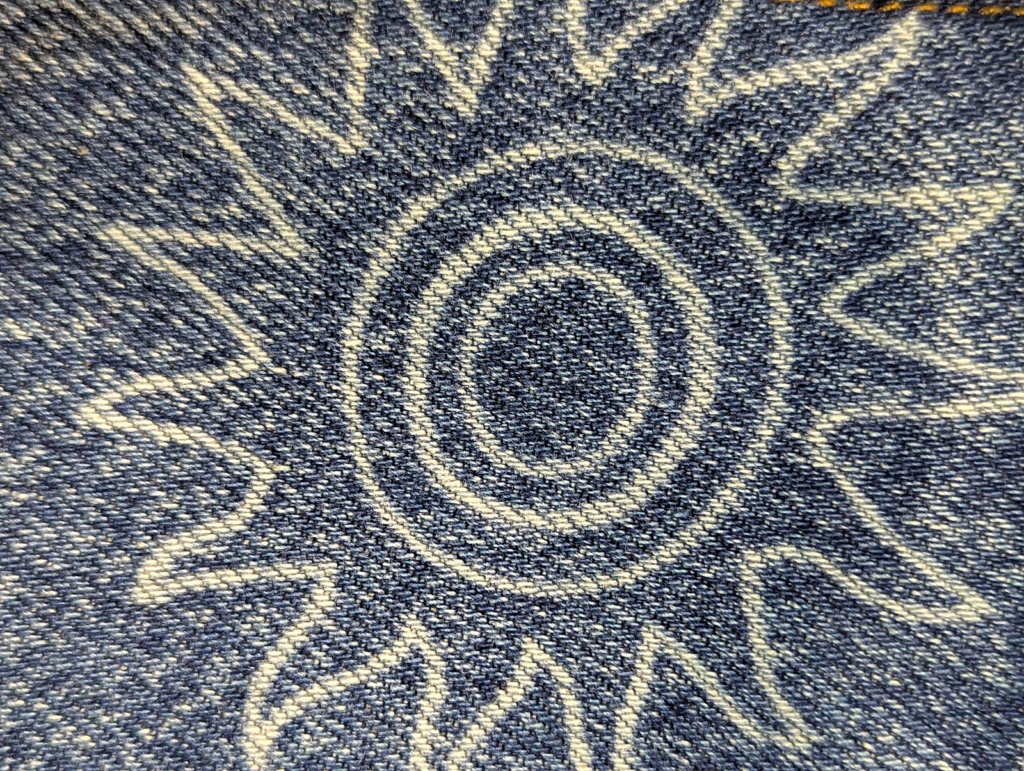
Laser printing in textiles is a modern technique that uses high-precision laser beams to etch, cut, or mark designs directly onto fabrics. Unlike traditional printing, it does not rely on inks or dyes; instead, the laser either removes surface fibers to create patterns or changes the fabric’s surface color or texture through controlled heat. This method allows for highly detailed, durable, and precise designs on a variety of fabrics, including cotton, leather, polyester, and blends.
Key Features:
- Uses laser beams to engrave, etch, or burn designs on fabric surfaces.
- Compatible with natural and synthetic fibers, leather, and non-woven textiles.
- Can create intricate patterns, perforations, and textures without physical contact.
- Produces permanent, precise designs with minimal waste.
Applications:
- Fashion apparel: decorative patterns on dresses, jackets, and denim.
- Leather goods and accessories: bags, shoes, and belts.
- Home textiles: curtains, rugs, and decorative fabrics.
- Industrial textiles requiring functional markings or perforations.
Advantages:
- Enables high-precision, intricate designs.
- Reduces the need for inks, chemicals, and water, making it eco-friendlier.
- Allows for customization and small-batch production efficiently.
- Can create permanent textures and effects that are difficult with traditional printing.
From a textile and museum perspective, laser printing illustrates the integration of advanced technology with textile design, demonstrating how digital and mechanical innovation can transform both aesthetic possibilities and functional applications in fabrics.