Texheritage Bangladesh
Did you know? One of the most revolutionary inventions in textile history also inspired modern computer programming.
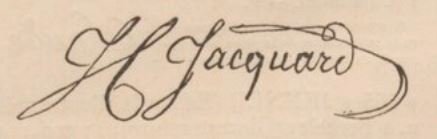
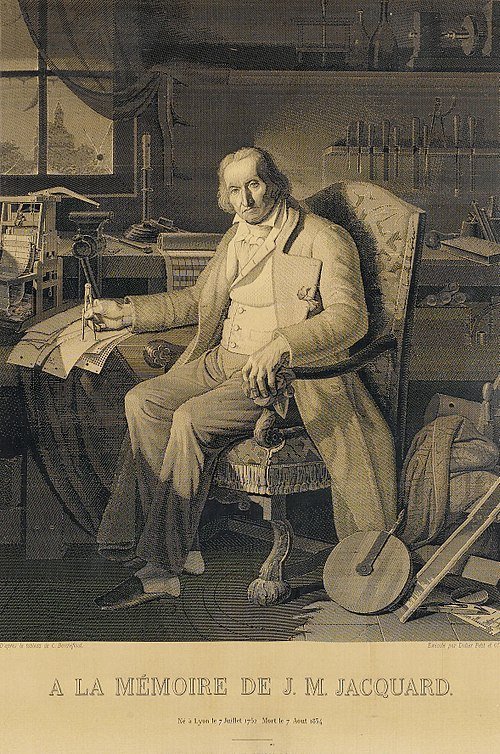
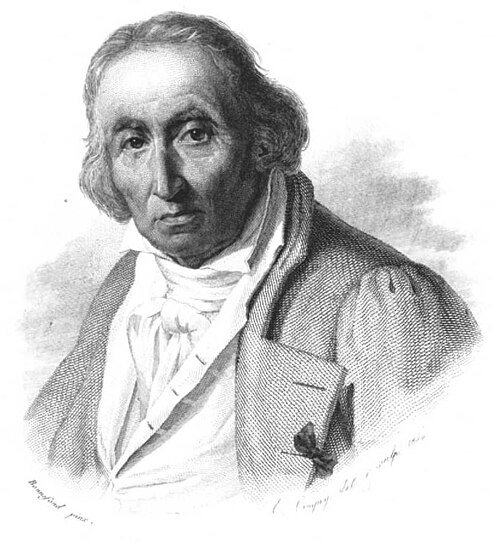
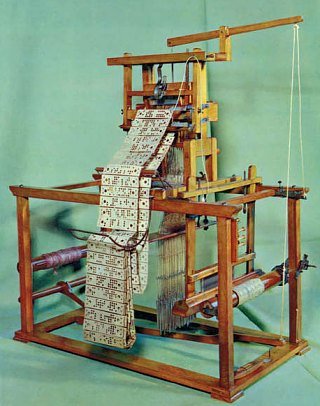
In 1801, French inventor Joseph Marie Jacquard introduced the Jacquard Loom, a groundbreaking weaving machine capable of automatically producing intricate patterns.
Before the Jacquard Loom, weaving complex designs required multiple skilled assistants and was slow, labor-intensive, and expensive. Jacquard transformed the industry by introducing punched cards that controlled each warp thread individually. This allowed complex floral, geometric, and artistic patterns to be woven with remarkable precision and consistency.
A Brief History
📍 1745 – Early attempts at pattern-control weaving began with inventors such as Basile Bouchon and Jean-Baptiste Falcon.
📍 1801 – Joseph Marie Jacquard perfected and demonstrated the Jacquard mechanism in France.
📍 1804–1805 – The improved Jacquard Loom was officially adopted and rapidly spread across Europe.
📍 19th Century – The invention revolutionized silk weaving in Lyon, France, and later transformed textile manufacturing worldwide.
Why It Matters
✔️ Automated complex woven designs
✔️ Increased production efficiency
✔️ Reduced manual labor for patterned weaving
✔️ Improved design accuracy and repeatability
✔️ Made luxury patterned fabrics more accessible
Beyond Textiles
The Jacquard Loom’s punched-card system became a major inspiration for Charles Babbage’s Analytical Engine and later influenced early computer programming and data processing. It stands as one of the earliest examples of programmable automation in human history.
Today, every modern electronic jacquard weaving machine traces its roots back to Joseph Marie Jacquard’s remarkable invention over 220 years ago.
At Texheritage Bangladesh – Museum of Textile & BLS, we celebrate inventions like the Jacquard Loom because preserving textile history helps us understand how innovation shaped the global textile and apparel industry.
Every fabric tells a story. Every machine preserves a legacy.