
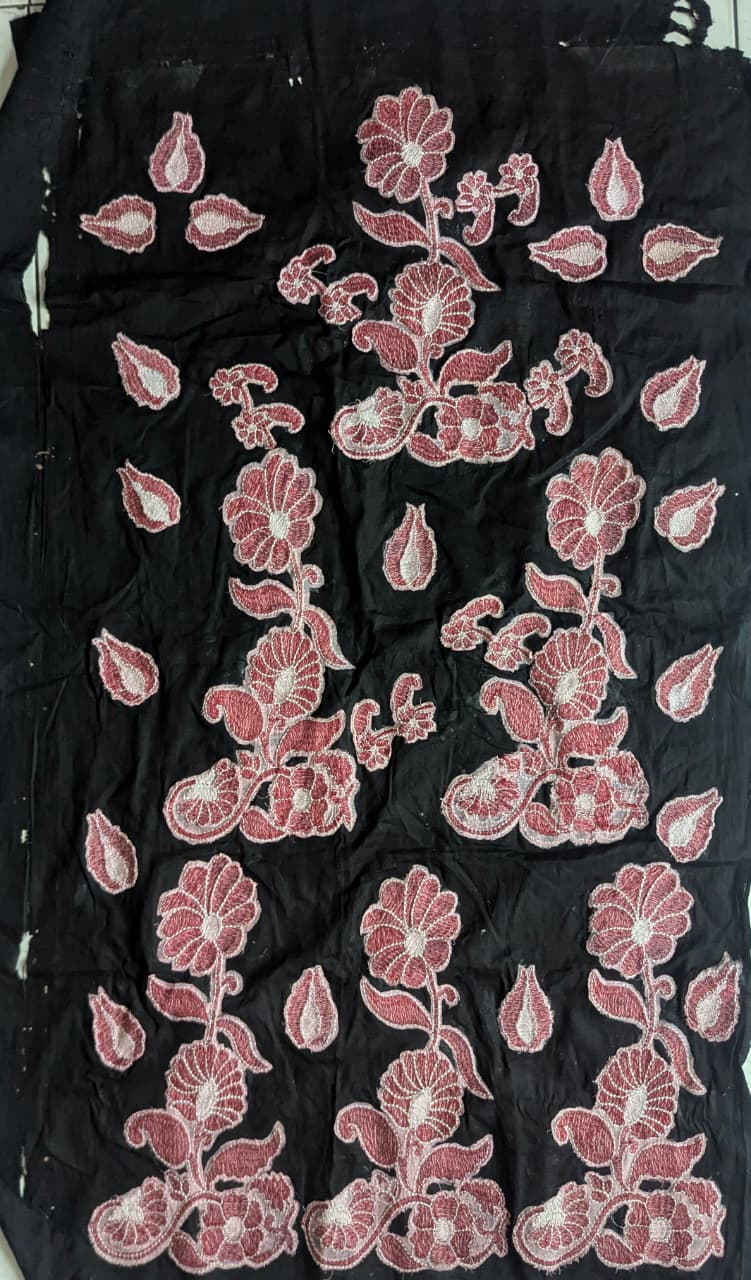
Once upon a time in the Lalmai Hill range of Cumilla, a saree was chosen with care. In the 1980s, it was draped around a woman’s body, carrying with it the elegance of tradition and the rhythm of everyday life. It was worn to gatherings, perhaps to festivals, perhaps to quiet afternoons at home. It absorbed laughter, conversations, and the passing of years.
But like all garments, its first life began to fade. The threads loosened, the colors softened. Yet in Bangladesh, textiles are rarely abandoned. Instead, they are reborn.
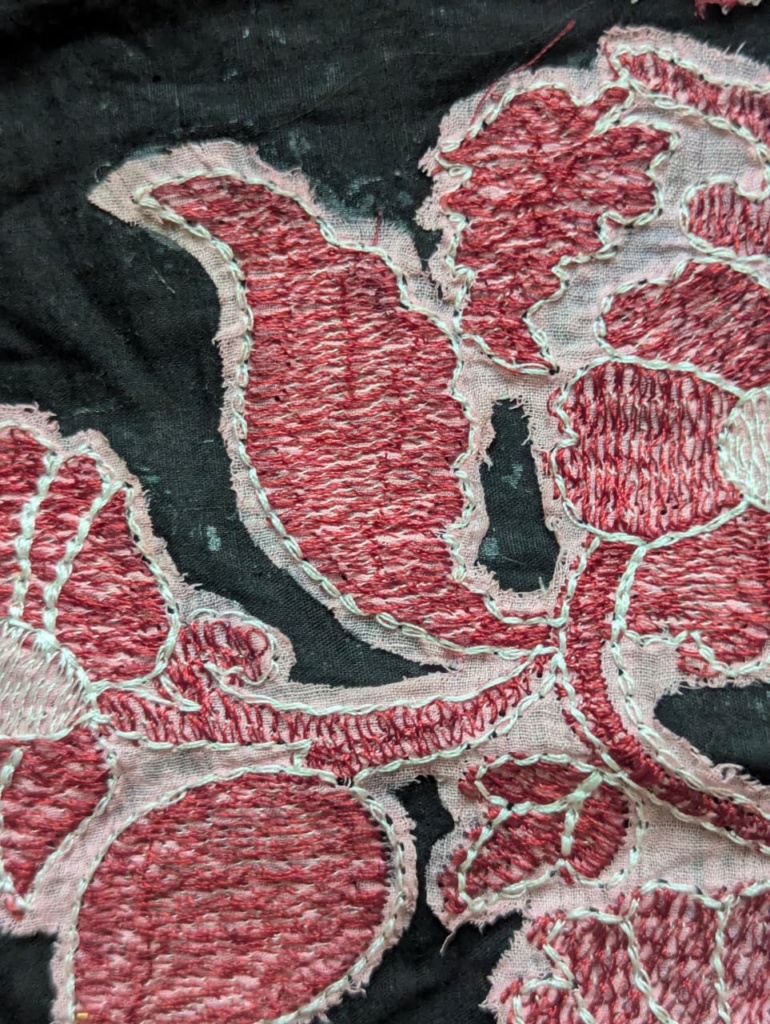
The Second Life
This saree was not discarded. It was transformed — stitched, folded, and reshaped into a wall mat. For nearly 40 years, it hung silently, no longer a garment but a guardian of the household. It witnessed seasons change, children grow, and families evolve. Its fabric carried the marks of time, but its presence remained strong.
This act of reuse was not unusual. In Bangladeshi homes, old sarees become quilts, mats, or covers. It is a tradition of sustainability long before the word became fashionable — a culture where nothing is wasted, and every thread finds a new purpose.
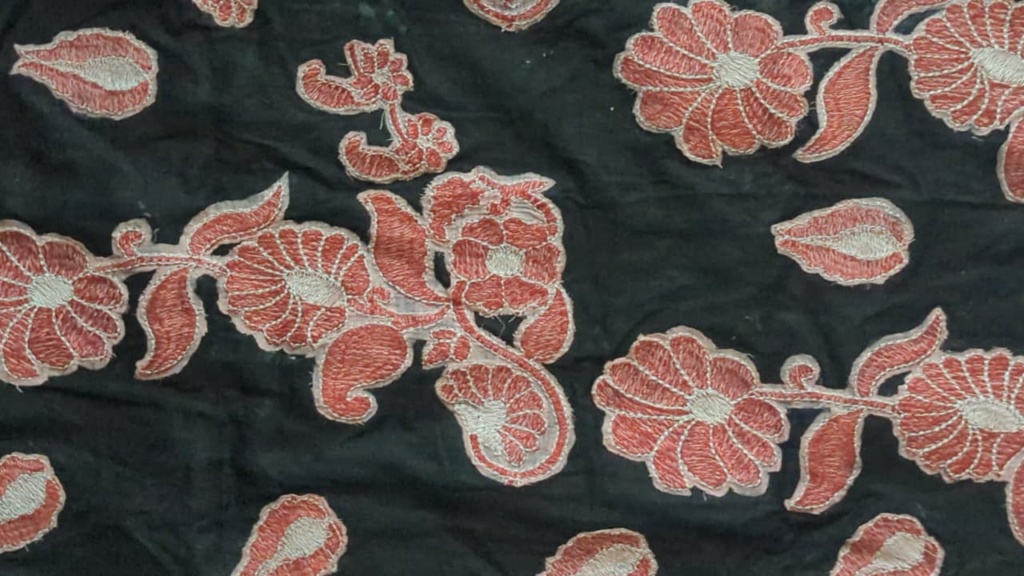
The Third Life
Eventually, this humble wall mat was recognized for what it truly was: a story woven in cotton. Preserved by the Texheritage Bangladesh Museum, it now lives its third life — as heritage.
Here, it is no longer just fabric. It is a lesson in sustainability, a testament to domestic craftsmanship, and a window into the social history of Bangladesh. Researchers study its durability, its transformation, and its cultural significance. Visitors see not just a mat, but the journey of a garment that refused to end.
The Story It Tells
“Every textile has a story. This saree tells the journey from fashion to function, and finally to heritage.”
At Texheritage Bangladesh Museum, we believe that textiles are living archives. This saree reminds us that clothing is not only about beauty or utility — it is about memory, resilience, and the creativity of everyday life.