
By Texheritage Bangladesh: Museum, Innovation & Preservation Foundation Publication
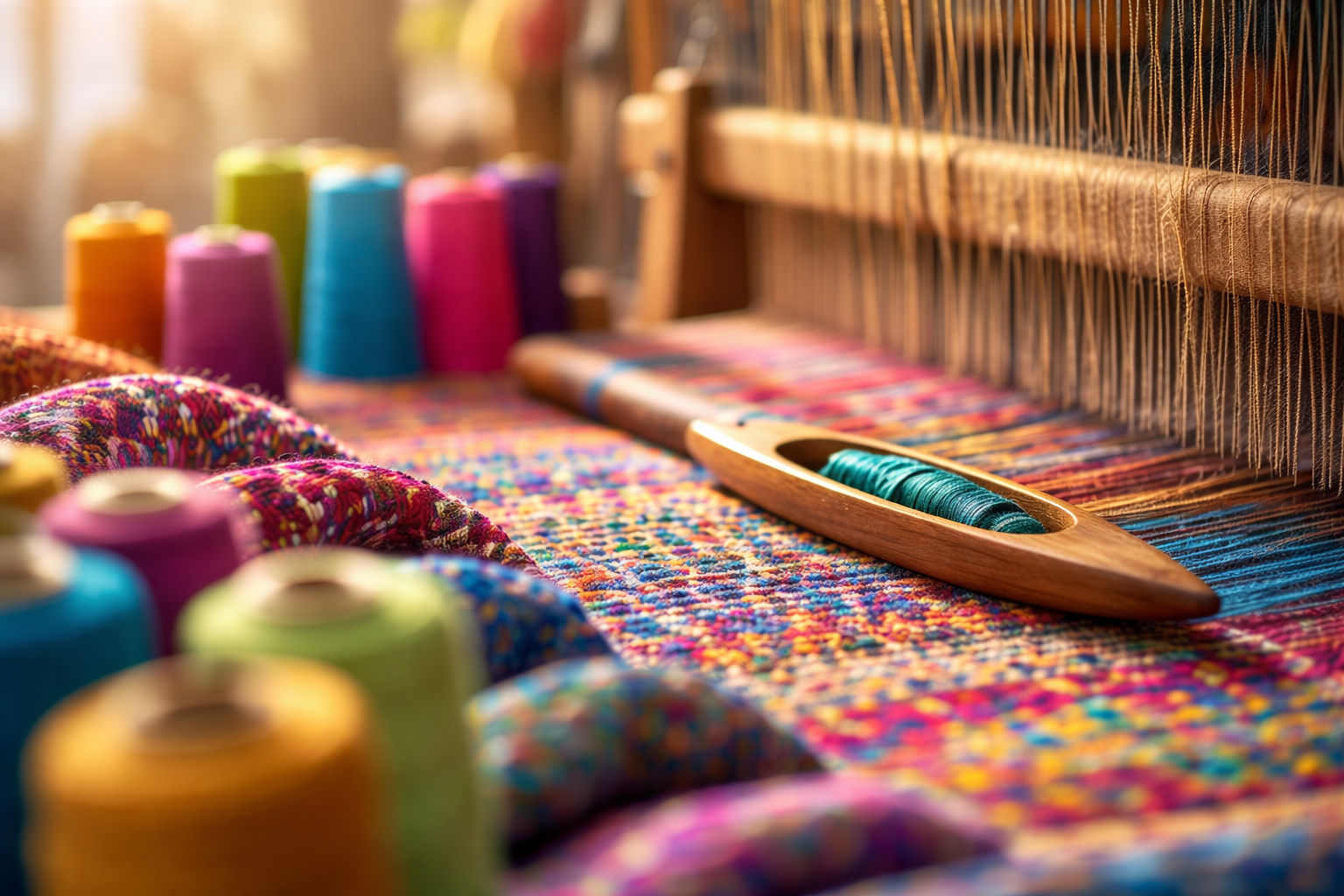
Bangladesh’s textile heritage is among the richest and most diverse in the world. Yet, despite its global influence and centuries-old history, much of this legacy remains under-documented and at risk of being forgotten. In Bangladesh, textiles are not merely products of trade—they are carriers of history, culture, technology, and identity, woven deeply into everyday life and collective memory.
As early as the 1st millennium CE, the Bengal delta was renowned for advanced cotton cultivation and sophisticated weaving techniques. Fertile land, skilled artisan communities, and extensive river-based trade routes enabled Bengal textiles to reach distant markets long before the modern industrial era.
Between the 16th and 18th centuries, Bengal—particularly Dhaka—achieved international fame for its legendary Dhaka muslin. So extraordinarily fine that it became synonymous with luxury, muslin was highly prized in the Mughal courts and widely exported to Europe, the Middle East, and East Asia. Alongside muslin flourished the intricate art of jamdani weaving, distinguished by complex supplementary weft patterns. This tradition received global recognition when UNESCO declared Jamdani an Intangible Cultural Heritage of Humanity in 2013.
Living Traditions and Global Recognition
Bangladesh’s textile story is not confined to the past. Handloom traditions continue to survive and evolve across generations. Among them, the Tangail sari stands out for its elegant motifs, distinctive borders, and deep cultural roots. Recognized internationally and increasingly highlighted in global heritage discourse, the Tangail sari remains a powerful symbol of Bangladesh’s living textile culture, with continued heritage recognition extending into 2026.
Beyond cotton and silk, Bangladesh holds a unique position in global textile history through jute, often called the “Golden Fiber of Bengal.” From the 19th century onward, jute shaped industrial growth, labor history, port cities, and international trade networks. Today, jute represents both a historical legacy and a sustainable future—bridging heritage with environmentally responsible textile innovation.
Texheritage Bangladesh: Research, Collection, and Preservation
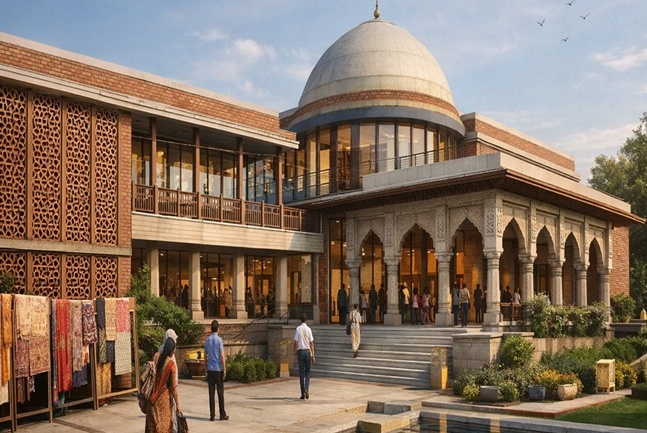
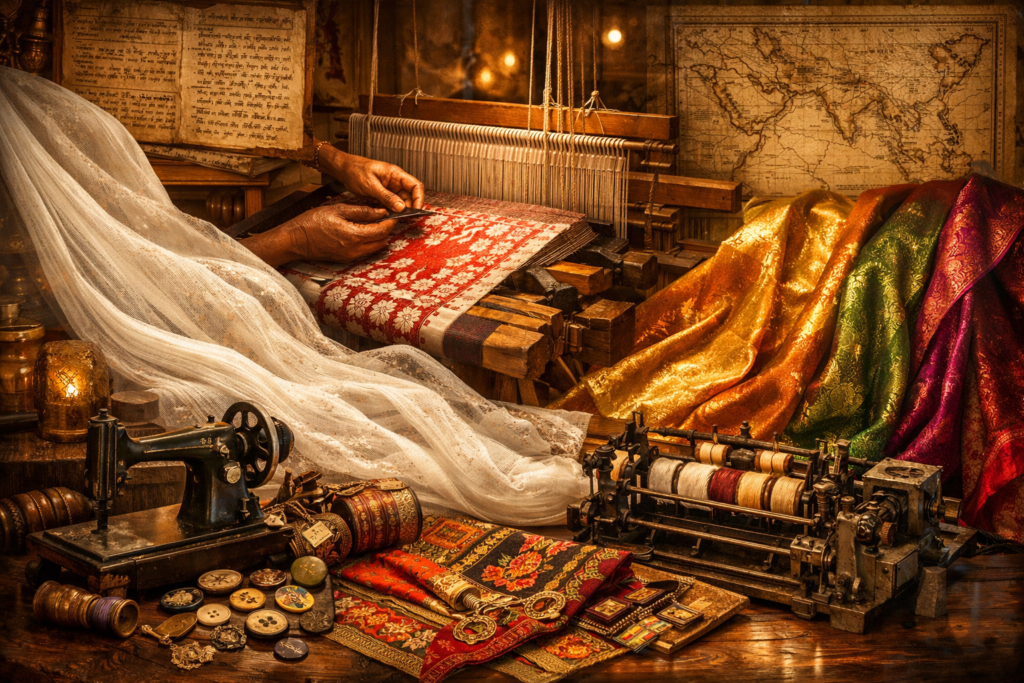
At Texheritage Bangladesh, textile heritage is preserved through a research-driven and documentation-focused approach. The museum’s collection includes over 600+ types of fabrics, rare garments, traditional and industrial embroidery, zippers, buttons, trims, and vintage textile machines. These artifacts span pre-colonial, colonial, and modern industrial periods, allowing online visitors to understand the full arc of Bangladesh’s textile evolution.
Each item is carefully cataloged and studied to reveal insights into weaving techniques, material development, trade networks, labor systems, and socio-cultural contexts. Texheritage Bangladesh functions not only as an exhibition space but also as a growing research archive serving scholars, students, designers, and industry professionals.
Historical Research and Documentation
Through archival research, oral histories, and material-based artifact analysis, Texheritage Bangladesh traces textile practices from the pre-Mughal era, through British colonial rule (1757–1947), and into the post-independence industrial transformation after 1971. Historical evidence shows how colonial trade policies in the 18th and 19th centuries contributed to the decline of indigenous handloom industries, disrupting centuries-old craft ecosystems.
At the same time, the late 20th century marked Bangladesh’s emergence as one of the world’s largest ready-made garment (RMG) producers, reshaping the nation’s textile identity within a globalized economy. Documenting both handcraft traditions and industrial transitions is essential to understanding Bangladesh’s complex textile history.
Fieldwork, Community Engagement, and Volunteer Network
Texheritage Bangladesh is supported by a dedicated team of researchers, curators, and student volunteers working across Bangladesh and internationally to identify, document, and collect heritage clothing and textile artifacts. Through nationwide fieldwork, community engagement, and direct collaboration with weavers, artisans, collectors, and families, the team actively rescues garments and textiles that might otherwise be lost to time.
Student volunteers play a vital role in this mission. Under professional guidance, they assist with field surveys, oral history documentation, artifact cataloging, and preliminary conservation. This collaborative model not only strengthens the museum’s collection but also nurtures a new generation of researchers and heritage professionals committed to textile preservation.
By working at the grassroots level—across villages, weaving hubs, historic markets, private collections, and diaspora networks—Texheritage Bangladesh ensures that textile heritage is preserved from source to archive, representing both regional diversity and global connections.
Preserving a Cultural Treasure
Despite its profound significance, Bangladesh’s textile heritage faces urgent challenges:
- Many handloom and craft techniques practiced for hundreds of years are now endangered.
- Textiles and artifacts from the 19th and early 20th centuries are fragile and often lack scientific conservation.
- Public awareness of textiles as historical, technological, and cultural assets, rather than only commercial products, remains limited.
Texheritage Bangladesh addresses these challenges through systematic collection, conservation, exhibition, research, and education—ensuring that textile heritage is preserved as knowledge, not just as objects.
A Call for Support and Awareness
Preserving textile heritage is not only a cultural responsibility—it is a historical and global obligation. Every fabric, garment, and tool preserved at Texheritage Bangladesh represents centuries of accumulated human knowledge, from river-based handloom traditions and jute industrialization to modern garment production.
By visiting the museum, supporting research initiatives, contributing artifacts, volunteering, or engaging in preservation efforts, you become part of a mission to safeguard a legacy that is distinctly Bangladeshi and globally significant.
Discover, study, and celebrate Bangladesh’s textile legacy—because preserving the past ensures the future of our heritage.