

By Texheritage Bangladesh: Museum, Innovation & Preservation Foundation Publication
Fashion in the 2026s is being reshaped by Generation Z, broadly defined as those born between the late 1990s and early 2010s. This generation has emerged as a transformative force in global style, favoring clothing that reflects authentic self-expression, comfort, and social values. Unlike previous cohorts that followed seasonal trends dictated by fashion capitals, Gen Z is creating a new paradigm where ethics, individuality, and lifestyle coexist with aesthetics.
Research shows that 67% of Gen Z consumers prioritize comfort in their clothing choices, a reflection of post-pandemic lifestyles that demand versatile, wearable fashion suitable for remote work, study, and social life.
1. Comfort Drives Style
For Gen Z, clothes must feel as good as they look. This generation favors:
-
Athleisure: Hoodies, joggers, and sneakers have become everyday staples, seamlessly merging sportswear with street style.
-
Loungewear: Matching sets and relaxed separates are no longer just home attire; they are socially acceptable fashion.
-
Soft, tactile fabrics: Modal, bamboo, cotton blends, and knit fabrics are highly preferred for their comfort.
Athleisure alone now accounts for roughly 44% of teen clothing preferences, highlighting how functionality and style are intertwined in Gen Z wardrobes.
2. Sustainability Shapes Wardrobes
Sustainability is not optional for Gen Z; it’s a core purchasing criterion. Studies indicate that 66% of Gen Z shoppers are willing to pay more for sustainable products and actively seek brands with transparent supply chains.
-
On average, 15% of their wardrobes are secondhand or upcycled pieces, reflecting an ethical approach to consumption.
-
The global secondhand fashion market is projected to reach USD 350 billion by 2027, driven largely by Gen Z engagement.
This presents a strategic opportunity for Bangladesh’s textile industry to combine heritage fabrics with sustainable production, meeting the dual demand of fashion-forward aesthetics and environmental responsibility.
3. Aesthetics Emphasize Individuality
Gen Z embraces eclectic, self-expressive style rather than adhering to a single trend:
-
Oversized and baggy silhouettes: preferred by approximately 60% of Gen Z shoppers.
-
Y2K and nostalgic influences: Baby tees, low-rise jeans, and bright accessories have made a strong comeback.
-
Gender-fluid and unisex fashion: Challenging traditional binaries and offering inclusivity in wardrobe options.
This generation sees fashion as a tool for identity and storytelling, not just trend-following.
4. Digital Influence on Fashion Trends
Social media platforms—especially TikTok, Instagram, and YouTube—are primary drivers of Gen Z fashion.
-
57% discover new brands on YouTube / Facebook / Instagram
-
39% make purchases influenced by TikTok trends
Short-form videos and peer-driven styling content accelerate micro-trends, allowing fashion to evolve at a pace never seen before. Gen Z consumers are both trend adopters and curators, shaping what is “in” in real-time.
5. Heritage Textiles Meet Modern Gen Z Fashion
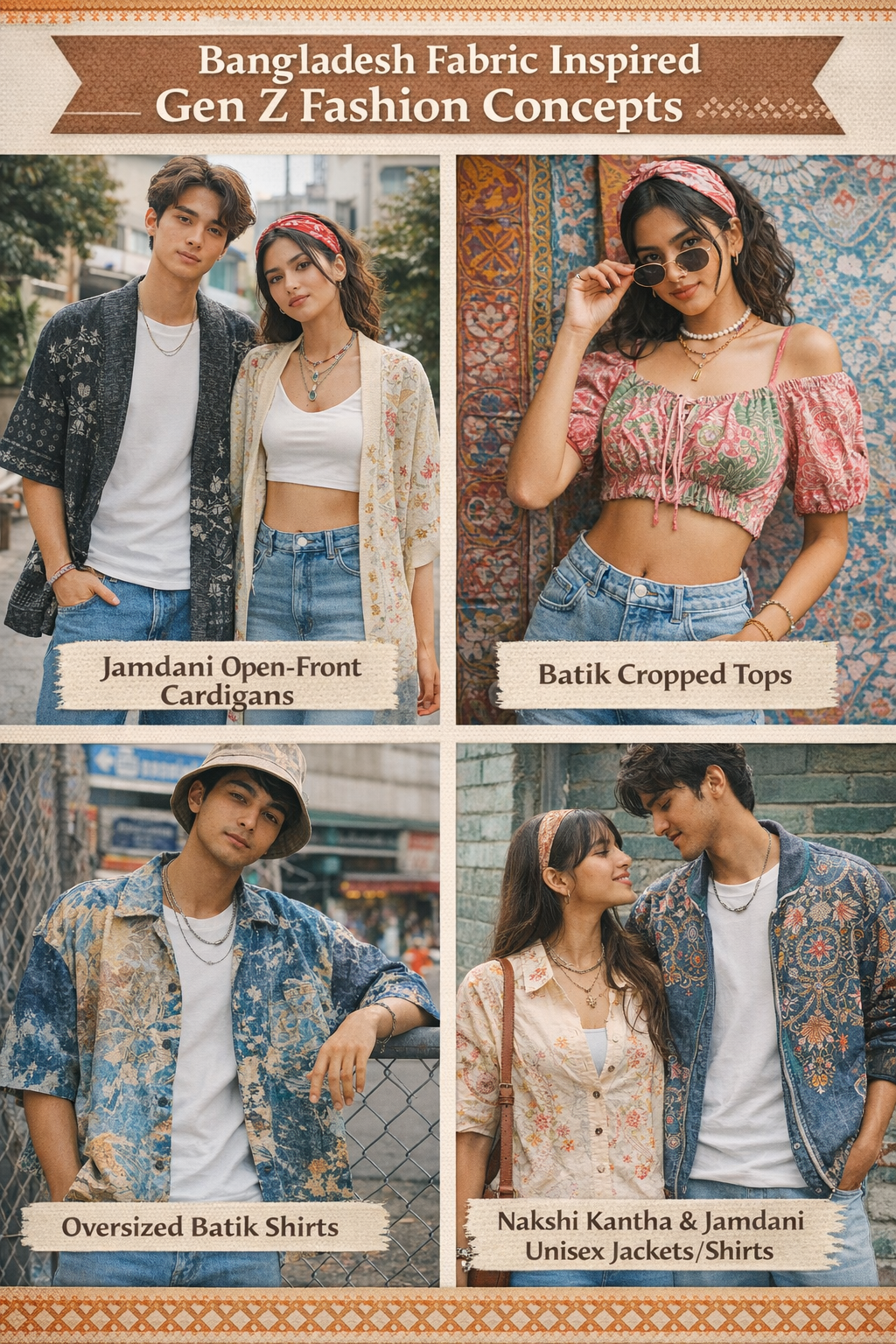
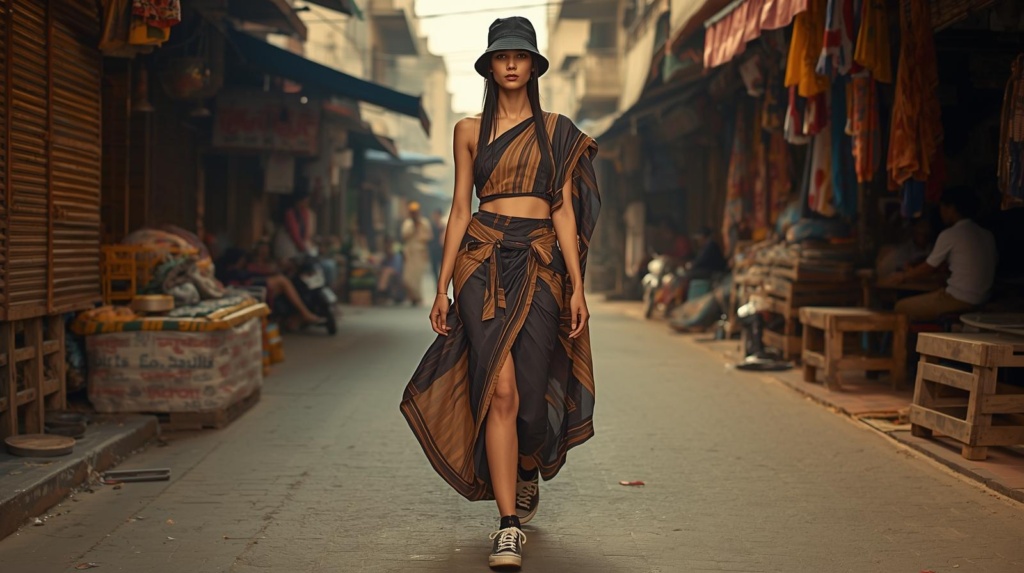
Bangladesh’s rich textile heritage—including Jamdani, Nakshi Kantha, handloom cotton, and batik—offers a unique opportunity to merge tradition with modern Gen Z sensibilities:
-
Oversized Jamdani shirts or jackets bring centuries-old weaving to contemporary streetwear.
-
Nakshi Kantha embroidery on hoodies or loungewear provides a tactile and visual storytelling element.
-
Sustainable handloom fabrics align with eco-conscious consumption patterns.
-
Collaborations with young designers create limited-edition fusion collections that resonate with Gen Z’s love for individuality.
This fusion of heritage and modernity enables Bangladesh to showcase its textile legacy while remaining relevant to a global, trend-conscious generation.
6. Takeaways for Fashion Brands
To appeal to Gen Z, brands should:
-
Prioritize comfort without compromising aesthetics
-
Integrate sustainability into every stage of production
-
Promote self-expression and personalization
-
Use digital channels for engagement and trend amplification
-
Explore heritage-inspired designs to combine culture, ethics, and contemporary style
Gen Z is redefining fashion as a blend of comfort, sustainability, and self-expression, creating opportunities for designers and brands to innovate. For textile-forward nations like Bangladesh, the future lies in leveraging heritage fabrics in ways that resonate with this new generation, balancing craftsmanship, ethics, and global appeal.