
Digital Print – Textile and Cultural Overview
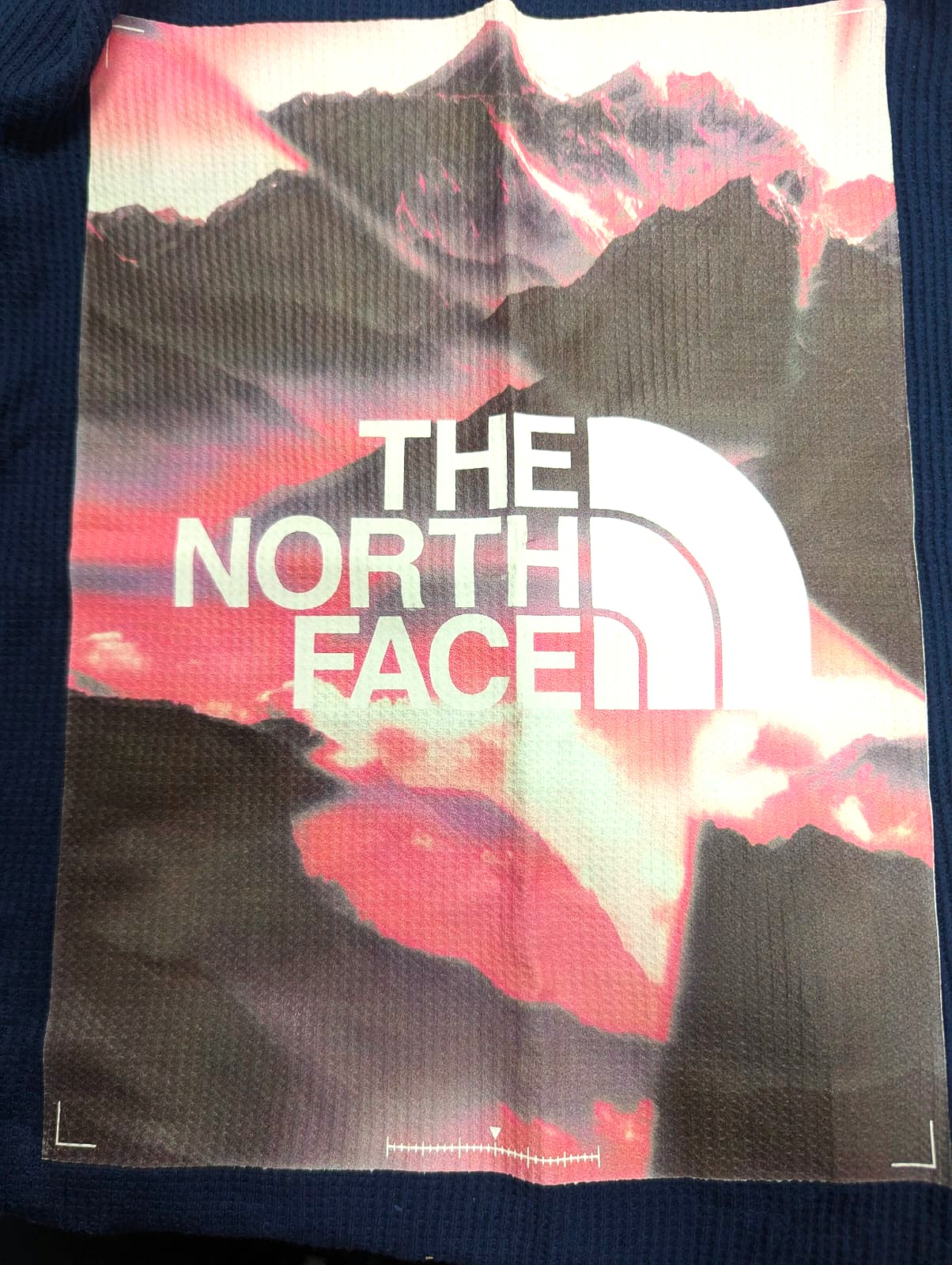
Digital printing is a modern textile technique in which designs are printed directly onto fabric using computer-controlled inkjet or laser printers, rather than traditional methods like screen printing. This method allows for highly detailed, multicolored, and complex patterns to be applied to a wide range of fabrics, including cotton, silk, polyester, and blends. Digital printing enables precise color placement, gradient effects, photographic imagery, and customized designs, making it popular in fashion, home textiles, and industrial applications.
Key Features:
- Uses computer-controlled printers to transfer designs directly onto fabric.
- Supports high-resolution images, multicolor patterns, and intricate motifs.
- Compatible with various fabrics including natural and synthetic fibers.
- Environmentally efficient compared to some traditional methods due to reduced water and ink waste.
Applications:
- Fashion apparel: dresses, shirts, scarves, and sportswear.
- Home textiles: curtains, bed linens, cushions, and upholstery.
- Customized and small-batch textile production.
Advantages:
- Allows for photorealistic and highly detailed designs.
- Enables short runs and personalized designs without expensive screens or plates.
- Reduces production time and waste compared to traditional printing.
- Can be combined with other finishing techniques like foil, flocking, or embroidery.
From a textile and museum perspective, digital printing demonstrates the fusion of technology, design, and innovation in modern textiles. It illustrates how computational control and precision engineering have transformed traditional textile printing into a flexible, fast, and creative process, bridging artistic vision with industrial production.