
By Texheritage Bangladesh: Museum, Innovation & Preservation Foundation Publication
Bangladesh is one of the world’s most powerful textile and apparel manufacturing nations. As the second-largest garment exporter globally, the country supplies fashion to Europe, North America, and beyond. Yet despite this extraordinary industrial strength, Bangladesh does not have a dedicated, research-driven national textile museum to preserve, document, and present its textile journey.
This is not just a cultural gap — it is a strategic omission.
A 2,000-Year Textile Civilization Without a Central Archive
The textile history of Bengal spans more than two millennia. From ancient cotton weaving to the legendary Muslin of Dhaka, Bengal’s fabrics once dressed emperors, aristocrats, and global traders.
The Jamdani weaving tradition — now recognized by UNESCO as Intangible Cultural Heritage — represents only one chapter of a much larger story. Colonial indigo trade, handloom revolutions, post-independence industrialization, and the rise of modern denim and knitwear have shaped Bangladesh into a textile powerhouse.
Yet where is this story preserved?
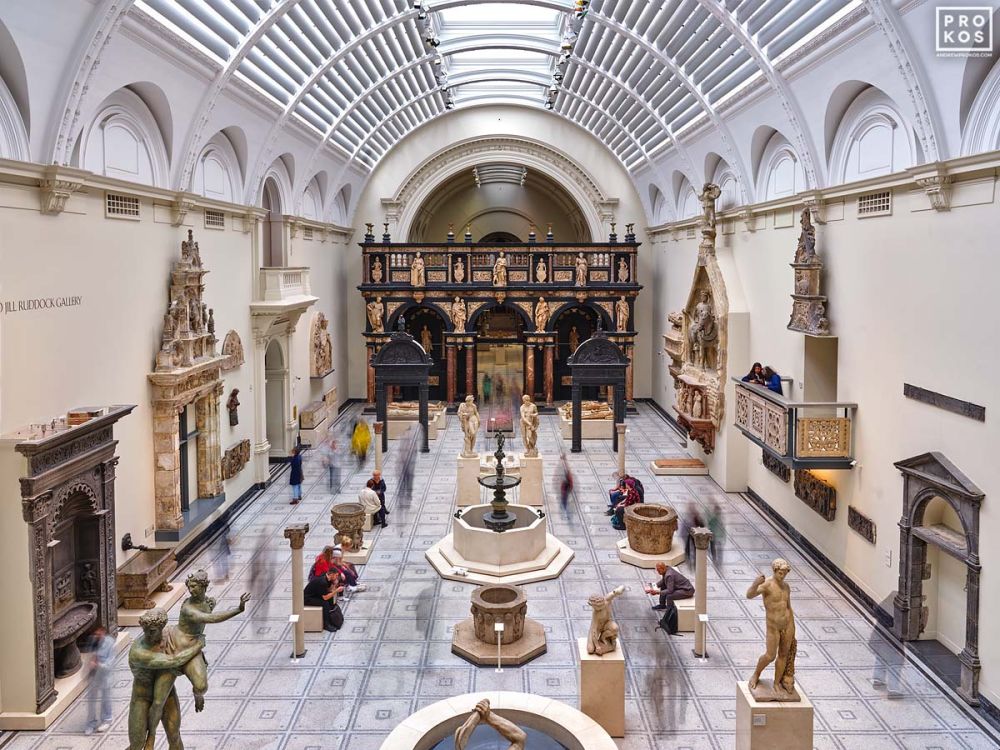
Countries with strong textile identities have institutionalized their heritage:
- Victoria and Albert Museum – London
- The Textile Museum – George Washington University
- Textile Museum of Canada
These institutions protect artifacts, archives, machinery, fabrics, and knowledge systems. Bangladesh deserves the same level of preservation.
Preventing Irreversible Loss
Every year, factories discard old samples, swatch books, trims, wash developments, production manuals, and technical innovations from the 1980s and 1990s.
Retired technicians carry decades of tacit knowledge — much of which remains undocumented.
If we do not preserve:
- Early export samples
- First-generation wash techniques
- Vintage trims and accessories
- Historical pattern books
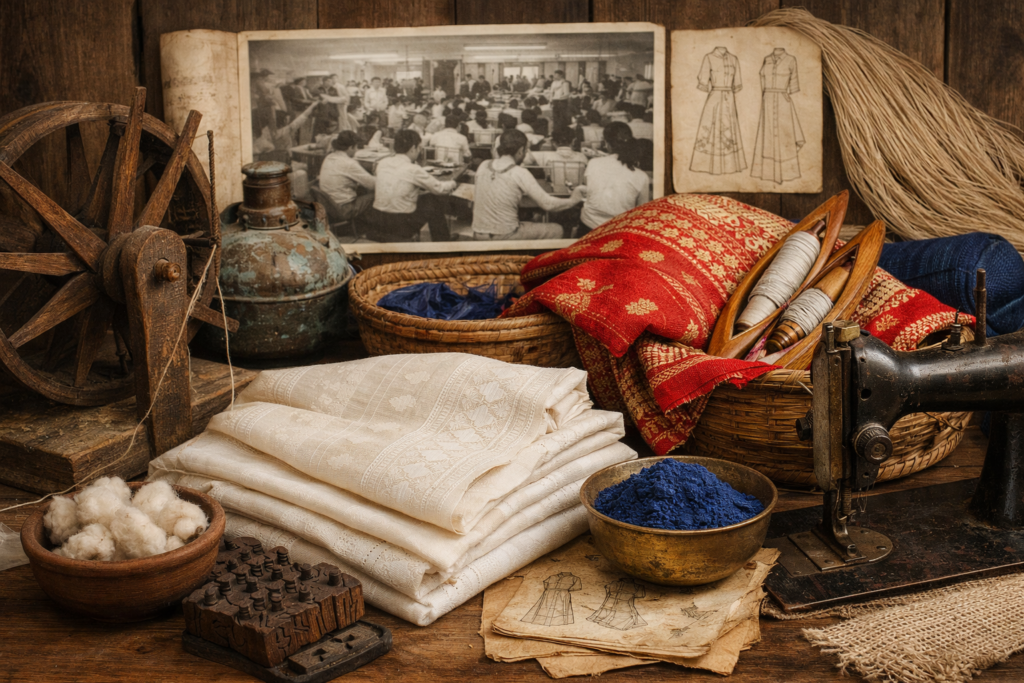
- Handloom tools and natural dye processes
They will disappear permanently. A textile museum is not about nostalgia. It is about safeguarding technical evolution.
Strengthening National Identity
Textile is embedded in the identity of Bangladesh:
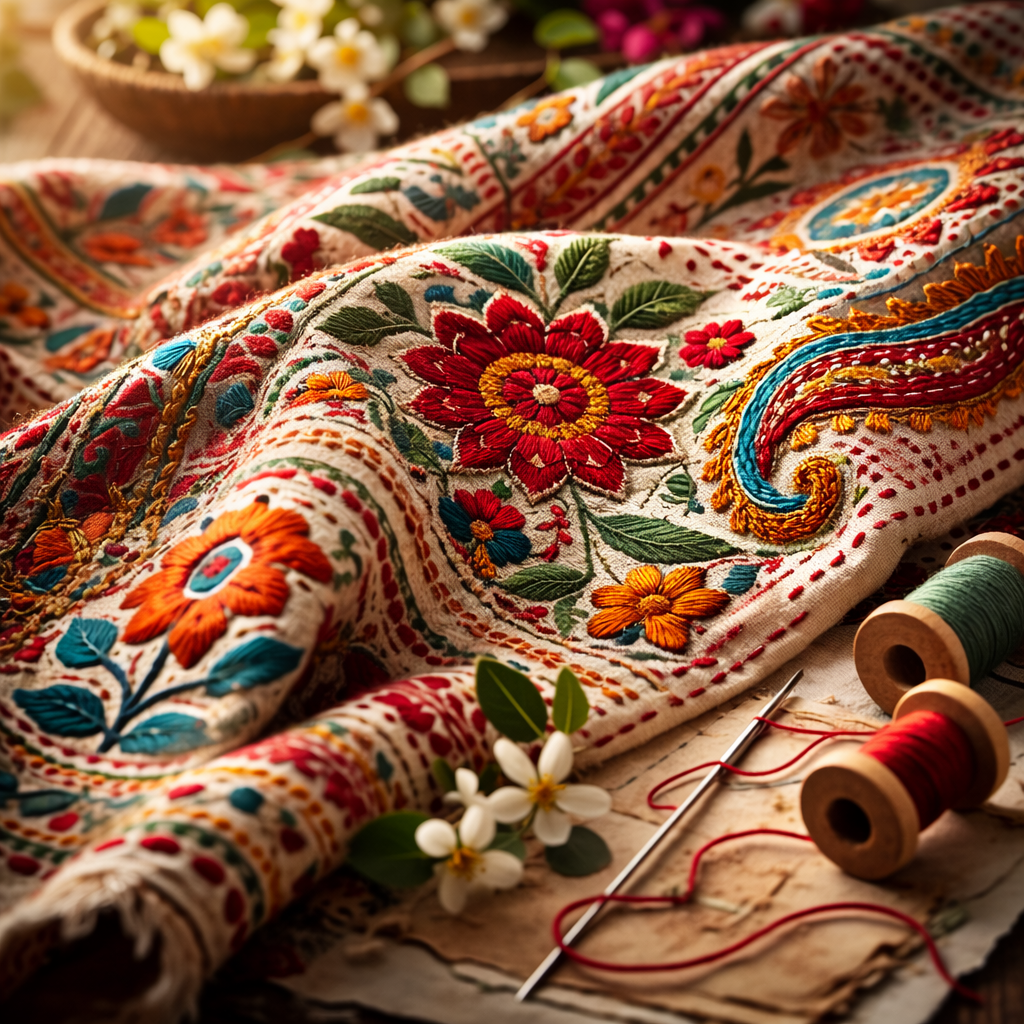
- Nakshi Kantha
- Jamdani
- Indigenous weaving communities
- Rural handloom clusters
- Natural dye traditions
A museum provides cultural grounding for the next generation. It elevates artisans. It connects rural heritage with modern industry. “Made in Bangladesh” should not be defined only by price competitiveness. It should reflect history, craftsmanship, resilience, and innovation.
Supporting Research and Academic Advancement
Bangladesh has world-class textile universities and engineering institutes. However, there is limited structured archival infrastructure for:
- Textile conservation
- Fabric documentation
- Historical research
- Industrial evolution analysis
A dedicated textile museum can function as:
- A research archive
- A fiber and trim library
- A technical evolution center
- A documentation hub for sustainability transition
It bridges academia and industry.
Industry Branding and Global Positioning
Italy leverages fashion heritage. Japan leverages indigo craftsmanship. India leverages handloom storytelling.
Bangladesh exports billions in garments — but its narrative remains under-communicated.
A textile museum enhances:
- Country branding
- Buyer confidence
- Sustainability storytelling
- Cultural diplomacy
International buyers visiting Bangladesh should experience not only factories — but also the country’s textile journey.
Sustainability and Circular Education
A museum can educate students, designers, and consumers about:
- Fiber lifecycle
- Environmental impact
- Evolution from natural dyes to synthetic chemistry
- Circular innovation models
Heritage and sustainability are interconnected. Understanding the past helps shape responsible futures.
Tourism and Economic Value
Museums are not merely cultural spaces; they are economic assets.
A textile museum in Bangladesh can:
- Attract international researchers
- Inspire fashion students
- Support creative tourism
- Host exhibitions and workshops
- Generate revenue through educational programming and merchandising
Industrial heritage tourism is a growing global sector. Bangladesh has the content — it needs the platform.
From Manufacturing Giant to Heritage Leader
Bangladesh produces garments for the world. Now it must preserve its story for history.
A textile museum is necessary because it:
- Protects a 2,000-year legacy
- Preserves industrial transformation
- Supports academic research
- Elevates national branding
- Encourages sustainability awareness
- Strengthens cultural identity
This is not merely about fabric.
It is about civilization, craftsmanship, resilience, and national pride. Texheritage Bangladesh is committed to documenting, preserving, and presenting this journey — for students, researchers, industry leaders, and future generations.